

ACADEMY Exam 2
Start
Congratulations - you have completed ACADEMY Exam 2.
You scored %%SCORE%% out of %%TOTAL%%.
Your performance has been rated as %%RATING%%
%%FORM%%
Have Your Exam Results Emailed to You
Enter your name and email address below to have your results as well as the test questions, your answers and the correct answers delivered to your inbox.
Your answers are highlighted below.
Question 1 |
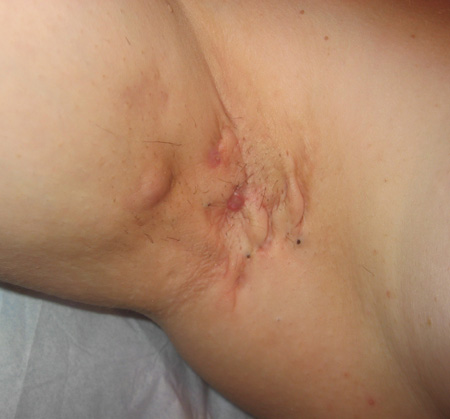 A patient suffers from recurrent, painful nodules that form in the axilla. The areas ultimately break down and drain a foul-smelling purulent material. These lesions form in the apocrine glands. What is the name of this condition?
A | Roth spots |
B | sebaceous gland hlperplasia |
C | hidradenitis suppurativa |
D | glomus tumors |
E | cat scratch-disease |
Question 1 Explanation:
Hidradenitis suppurativa (hi-drad-uh-NIE-tis sup-yoo-ruh-TIE-vuh) is a chronic skin condition that features pea-sized to marble-sized lumps under the skin. Also known as acne inversa, these deep-seated lumps typically develop where skin rubs together — such as the armpits, groin, between the buttocks and under the breasts.
The lumps associated with hidradenitis suppurativa are usually painful and may break open and drain foul-smelling pus. In many cases, tunnels connecting the lumps will form under the skin.
Hidradenitis suppurativa tends to start after puberty, persist for years and worsen over time. Early diagnosis and treatment of hidradenitis suppurativa can help manage the symptoms and prevent new lesions from developing.
Question 2 |
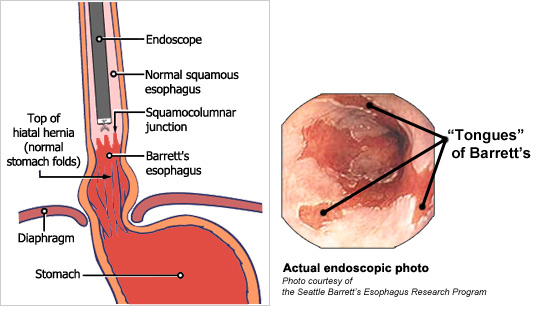
Chronic gastroesophageal reflux has been associated with a 10% risk of the development of which of the following as a sequela?
A | Barrett's esophagus |
B | hiatal hernia |
C | Mallory-Weiss tear |
D | gastric adenocarcinoma |
E | esophageal adenocarcinoma |
Question 2 Explanation:
Barrett's esophagus is a disorder in which the lining of the esophagus (the tube that carries food from the throat to the stomach) is damaged by stomach acid and changed to a lining similar to that of the stomach.
Question 3 |
Abdominal x-rays obtained for acute vomiting and abdominal distention in an infant, demonstrate failure of the posterior vertebral arches to close. What is this radiographic diagnosis?
A | Lhermitte's syndrome |
B | meningocele |
C | spina bifida occulta |
D | omphalocele |
E | meningomyeloce |
Question 3 Explanation:
Spina bifida is a condition that affects the spine and is usually apparent at birth. It is a type of neural tube defect (NTD).
Spina bifida can happen anywhere along the spine if the neural tube does not close all the way. The backbone that protects the spinal cord does not form and close as it should. This often results in damage to the spinal cord and nerves.
Question 4 |
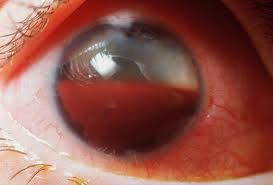 A 17 year-old baseball player is struck in the eye with a baseball. On examination, you note bright red blood in the anterior chamber. This patient has a:
A | comeal-abrasion. |
B | lens dislocation |
C | hyphema |
D | retinal detachment |
E | hypopyon. |
Question 4 Explanation:
Hyphema is blood in the front area (anterior chamber) of the eye. The blood collects behind the cornea and in front of the iris.
Question 5 |
A 77-year-old man presents to the emergency department with a change in his mental status. The patient’s daughter states that he can cook and clean up after himself and only needs help paying bills. Yesterday the patient seemed fine; however, this morning she noticed that he struggled to perform simple tasks and was forgetful while cooking, leaving the stove on. They recently returned from a trip to Mexico and admit to drinking unfiltered water and eating local cuisines while abroad. The patient has a past medical history of hypertension and diabetes. His temperature is 97.5°F (36.4°C), blood pressure is 187/118 mmHg, pulse is 90/min, respirations are 16/min, and oxygen saturation is 100% on room air. Which of the following is the most likely diagnosis?
A | Alzheimer dementia Hint: Alzheimer dementia presents with an insidious and gradual decline in cognitive function that may present initially with minor forgetfulness and can progress over years to an inability for the patient to care for themselves. |
B | Frontotemporal dementia Hint: Frontotemporal dementia is associated with memory loss and changes in personality with loss of social awareness and poor impulse control. |
C | Lewy body dementia Hint: Lewy body dementia presents with both dementia as well as visual hallucinations, delusions, and Parkinson-like features. |
D | Normal pressure hydrocephalus Hint: Normal pressure hydrocephalus presents with “wacky, wet, and wobbly,” which corresponds to changes in behavior, urinary incontinence, and ataxia. |
E | Vascular dementia |
Question 5 Explanation:
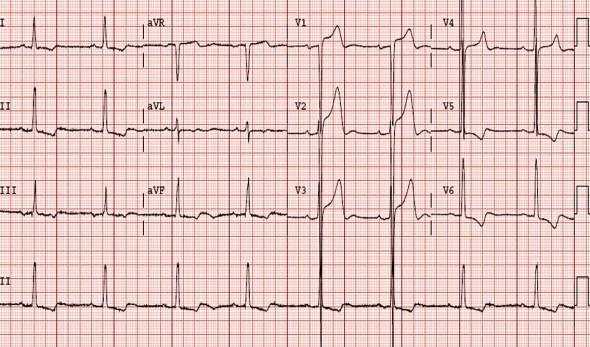
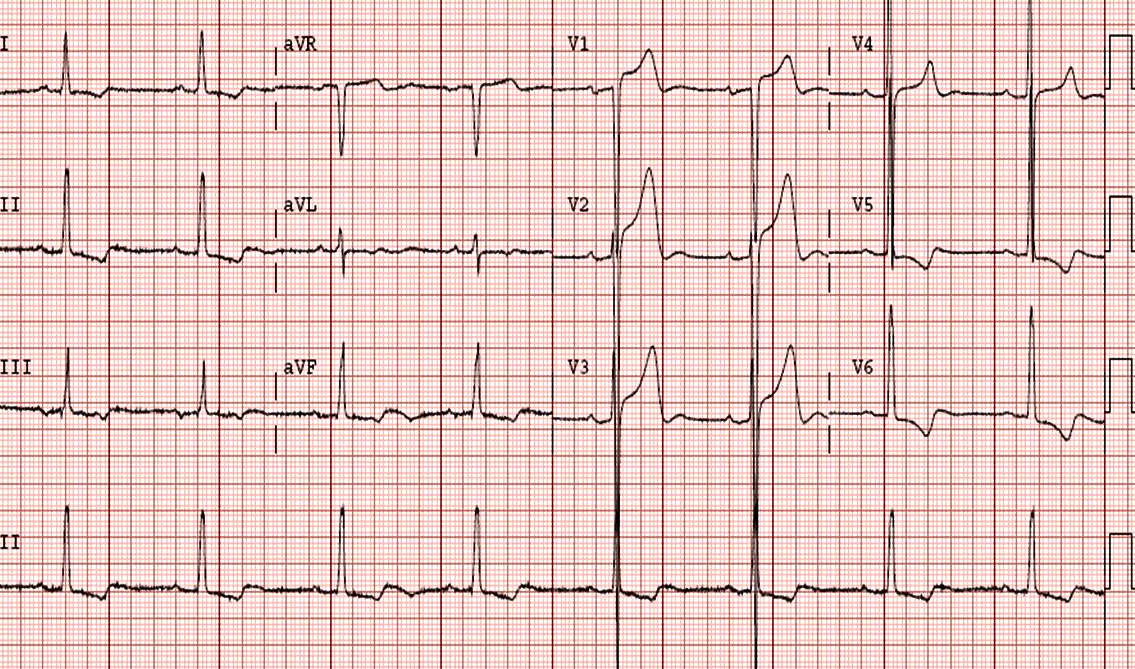
This patient is presenting with a sudden decline in cognitive function in the setting of hypertension, which is suggestive of vascular dementia. Vascular dementia is the second most common cause of dementia. It typically occurs in patients with risk factors such as hypertension, atherosclerosis, and vasculitis. Typically, there is a multifocal infarction that leads to the subsequent injury. The presentation of vascular dementia is unique in that there is a stepwise decline in cognitive ability with discrete events in contrast to Alzheimer's dementia which is a gradual decline. There is no treatment for vascular dementia other than treating the underlying etiology, which would involve interventions such as treatment of hypertension and dyslipidemia and smoking cessation.
Question 6 |
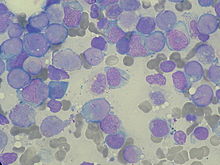 Which white blood cell disorder is characterized by the presence of Auer rods?
A | chronic lymphocytic leukemia (CLL) |
B | acute lymphocytic leukemia (ALL) |
C | chronic myelogenous leukemia |
D | acute myelogenous leukemia |
E | multiple myeloma |
Question 6 Explanation:
Auer rods are clumps of azurophilic granular material that form elongated needles seen in the cytoplasm of leukemic blasts. They can be seen in the leukemic blasts of acute myeloid leukemia with maturation and acute promyelocytic leukemia (known as acute myeloid leukemia M2 and M3, in the FAB classification, respectively) and in high grade myelodysplastic syndromes and myeloproliferative syndromes. They are composed of fused lysosomes/primary neutrophilic granules and contain peroxidase, lysosomal enzymes, and large crystalline inclusions.
Morphologically, the Auer "rods" come in all sizes and shapes. They have been described as needle-shapes with pointed ends (most common), comma-shapes, and diamond-shapes; others were long and rectangular. Occasional corkscrew forms and rare granular Auer bodies were also noted. More appropriately, they can be referred to as Auer bodies.
Question 7 |
Which diagnosis is most compatible with these laboratory values?
- Normal serum calcium
- Normal urinary calcium
- Normal serum alkaline phosphatase
A | Osteomalacia Hint: Laboratory abnormalities in osteomalacia are largely dependent upon the cause of the osteomalacia. The following laboratory abnormalities are commonly observed: Elevated alkaline phosphatase in 95 to 100 percent, decreased serum calcium and phosphorus in 27 to 38 percent, decreased urinary calcium in 87 percent, a decreased 25-hydroxyvitamin D (<15 ng/mL), and an elevated PTH in 100 percent. |
B | Osteoporosis |
C | Rickets Hint: Serum alkaline phosphatase activity usually is increased markedly |
D | Paget's disease Hint: The serum alkaline phosphatase (sAP), like the bone-specific alkaline phosphatase (bAP), is frequently elevated in patients with PDB. |
Question 7 Explanation:
Osteoporosis is a progressive bone disease that is characterized by a decrease in bone mass and density which can lead to an increased risk of fracture. In osteoporosis, the bone mineral density (BMD) is reduced, bone microarchitecture deteriorates, and the amount and variety of proteins in bone are altered. Osteoporosis is defined by the World Health Organization (WHO) as a bone mineral density of 2.5 standard deviations or more below the mean peak bone mass (average of young, healthy adults) as measured by dual-energy X-ray absorptiometry; the term "established osteoporosis" includes the presence of a fragility fracture. You will usually have normal serum calcium, normal urinary calcium and
normal serum alkaline phosphatase.
Question 8 |
You have admitted a patient with acute pancreatitis. During the next few days, which of the following will most likely develop as a result of the pathology, not your therapy?
A | Paget's disease |
B | pseudocyst formation |
C | hypoglycemia |
D | hypocalcemia |
E | hypermagnesemia |
Question 8 Explanation:
It is caused primarily by precipitation of calcium soaps in the abdominal cavity,when the pancreas is damaged, free fatty acids are generated by the action of pancreatic lipase. Insoluble calcium salts are present in the pancreas, and the free fatty acids avidly chelate the salts, resulting in calcium deposition in the retroperitoneum. In the other way glucagon-stimulated calcitonin release and decreased PTH secretion may play a role. In addition, hypoalbuminemia may be a part of the clinical picture, resulting in a reduction in total serum calcium. In patients with concomitant alcohol abuse, a poor nutritional intake of calcium and vitamin D, as well as accompanying hypomagnesemia, may predispose those with pancreatitis to hypocalcemia. Some studies shows that systemic endotoxin exposure and extraskeletal sequestration of calcium appears to play a significant role in the development of hypocalcemia in patients with acute pancreatitis.
Learn More
Question 9 |
A mid-systolic or late systolic murmur that may be preceded by a systolic click describes this valvular abnormality.
A | aortic stenosis Hint: often loud with a thrill - heard best when patient is sitting and leaning forward. |
B | mitral valve prolapse |
C | aortic regurgitation Hint: high pitch blowing - heard best when patient is leaning forward and with full exhalation. |
D | mitral valve stenosis Hint: heard at the apex, low pitch heard best with patient in left lateral position in full exhalation. |
E | pericardial disease Hint: muffled heart sounds |
Question 9 Explanation:
Mitral valve prolapse may be preceded by a systolic click. It usually occurs in mid or late systole and lasts until the beginning of the S2.
Listen to mitral valve prolapse
Classification of Murmurs Chart: classification of murmurs
Question 10 |
A systolic crescendo-decrescendo murmur most likely is
A | aortic stenosis |
B | pulmonary regurgitation Hint: Pulmonary regurgitation is described as a high pitched early diastolic decrescendo murmur at the LUSB (pulmonic area) that increases with inspiration. |
C | mitral stenosis Hint: Mitral stenosis is described as a diastolic low pitched decrescendo rumbling murmur with opening snap heard best at the apex (mitral area) with patient in lateral decubitus position |
D | aortic regurgitation Hint: Aortic regurgitation is described as a soft early diastolic blowing murmur along the left sternal border with the patient sitting leaning forward after exhaling |
E | tricuspid stenosis Hint: Tricuspid stenosis is described as a diastolic rumbling murmur at the LLSB (tricuspid area) with an opening snap |
Question 10 Explanation:
A systolic crescendo-decrescendo murmur (one that rises in intensity and then falls) is heard with aortic stenosis. Radiates to the neck, often heard with a loud thrill, harsh heard while the patient is sitting and leaning forward.
The review of valvular disorders can be found here:valvular disorders
Question 11 |
You request that a patient squat while completing the physical exam, what information are you trying to gain about the murmur?
A | decreases the intensity of the murmur of aortic stenosis Hint: The increase in stroke volume increases the intensity of the murmur of aortic stenosis. |
B | increases the intensity of the murmur of mitral valve prolapse |
C | decreases the intensity of the outflow obstruction in hypertrophic cardiomyopathy |
D | increases the intensity of the outflow obstruction in hypertrophic cardiomyopathy Hint: the increase in left ventricular volume decreases the outflow obstruction found with hypertrophic cardiomyopathy, so the intensity of this murmur is decreased. |
E | test the patients flexibility |
Question 11 Explanation:
Venous return increases when a person squats and so does peripheral vascular resistance. The volume of blood in the left ventricle, arterial blood pressure, and stroke volume increase. The increase in the left ventricle volume decreases the prolapse of a mitral valve and the intensity of the murmur. If the patient is asked to stand, all of the above information may be found reversed.
Question 12 |
A 21 year-old female presents at 9 weeks gestation with vaginal bleeding and lower abdominal cramping. Examination demonstrates bright red blood coming through a closed cervical os. This is her second pregnancy. What is the most likely diagnosis?
A | threatened abortion |
B | incomplete abortion Hint: Incomplete: An incomplete miscarriage results when only part of the pregnancy has been miscarried, leaving some products of conception in the womb. Symptoms often include heavier bleeding and severe abdominal pain after tissues have expelled from the womb. An ultrasound usually reveals the remaining tissue. |
C | complete abortion Hint: Complete: A complete miscarriage includes the expulsion of all products of conception, including the fetus and the placenta. While symptoms are similar to those seen in incomplete miscarriages, they subside quickly after the tissue is expelled. An ultrasound is often performed to ensure that no tissues remain and the womb is empty. |
D | missed abortion Hint: Missed: Basically, this is a miscarriage that the woman wasn't aware even happened. In these cases, there is embryonic death but the woman's body does not expel the tissues. So, cramping, bleeding and back aches are not present, and the only symptoms are loss of pregnancy symptoms such as nausea, weight gain and breast tenderness. These types of miscarriages are generally discovered when the fetal heartbeat isn't located during a routine doctor's visit. |
E | inevitable abortion Hint: Inevitable: This occurs when a woman experiences vaginal bleeding in conjunction with back or abdominal pain. In this type, the cervix is open, or dilated, and some of the uterine membranes may be ruptured. In these cases, the miscarriage has already begun. |
Question 12 Explanation:
Threatened: Sometimes a woman will experience vaginal bleeding in the early months of pregnancy. This bleeding is usually mild and may be accompanied by cramps or backaches. But the cervix remains closed and, as the name suggests, the miscarriage is not successful. In fact, the majority of pregnancies continue successfully after a threatened miscarriage.
Question 13 |
The most common arrhythmia of myocardial ischemia, observed in approximately 90% of patients suffering an acute myocardial infarction is:
A | paroxysmal supraventricular tachycardia (PSVT). |
B | atrial flutter |
C | sinus bradycardia |
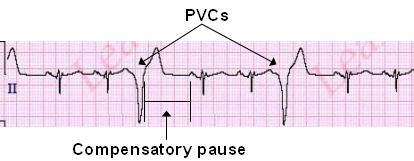
D | premature ventricular complexes (PVCs). |
E | ventricular tachycardia |
Question 13 Explanation:
Almost everyone has PVCs at some time, from childhood through adulthood. In a study of healthy members of the military, the incidence of PVCs was 0.5% among those under the age of 20 and 2.2% in those over the age of 50. This study shows the rise in PVCs – as in all types of abnormal heart rhythms – that occurs with age. PVCs occur more commonly in older people and in individuals with underlying heart disease, including a history of heart attack. People with a family history of cardiac arrhythmia (abnormal heart rhythm) also have a higher risk for PVCs.
Question 14 |
A 42 year-old, right-hand dominant female, presents complaining of a two week history of progressive pain in her right thumb and wrist area. She has recently started crocheting a sweater for a family member. She denies falls. Her pain is markedly exacerbated when she places her right thumb into the palm of her hand and you passively move her hand in an ulnar direction. Her most likely diagnosis is:
A | rheumatoid arthritis |
B | osteoarthritis |
C | DeQuervain's tenosinovitis |
D | navicular osteonecrosis |
E | Dupuytren's contracture. Hint: Dupuytren's (du-pwe-TRANZ) contracture is a hand deformity that usually develops slowly, over years. Dupuytren's contracture affects a layer of tissue that lies under the skin of your palm. Knots of tissue form under the skin — eventually forming a thick cord that can pull one or more of your fingers into a bent position.
Once this occurs, the fingers affected by Dupuytren's contracture can't be straightened completely, which can complicate everyday activities such as placing your hands in your pockets, putting on gloves or shaking hands.
Dupuytren's contracture most commonly affects the ring finger and pinky, and occurs most often in older men of Northern European descent. A number of treatments are available to slow the progression of Dupuytren's contracture and relieve symptom |
Question 14 Explanation:
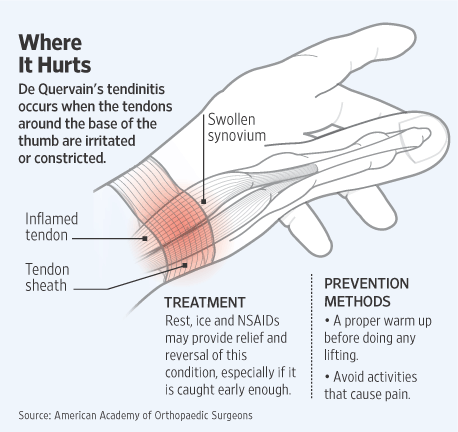 De Quervain tenosynovitis is an entrapment tendinitis of the tendons contained within the first dorsal compartment at the wrist; it causes pain during thumb motion.
Question 15 |
A patient recovering from hip surgery begins to ambulate for the first time postoperatively. Suddenly, she complains of shortness of breath, becomes tachypneic and noticeably tachycardic. Prior to getting out of bed, her postoperative course was unremarkable. There is no swelling and no palpable thrill at the incision site. What diagnosis do you suspect based on this presentation?
A | rupture of an abdominal aortic aneurysm |
B | postoperative pneumonia |
C | atelectasis |
D | pulmonary embolism |
E | an arteriovenous fistula at the surgical site |
Question 15 Explanation:
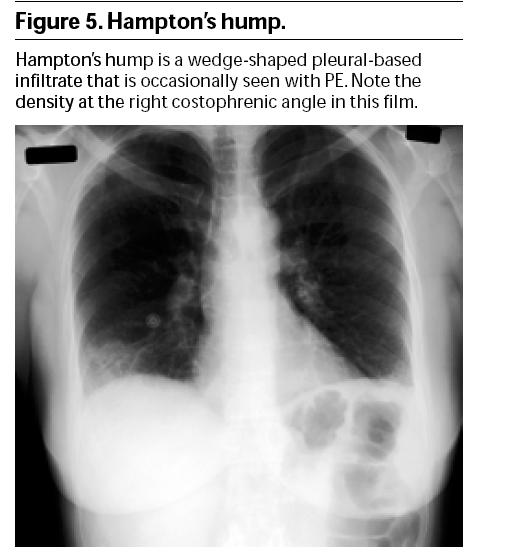 The classic presentation of pulmonary embolism is the abrupt onset of pleuritic chest pain, shortness of breath, and hypoxia. However, most patients with pulmonary embolism have no obvious symptoms at presentation. Rather, symptoms may vary from sudden catastrophic hemodynamic collapse to gradually progressive dyspnea. The diagnosis of pulmonary embolism should be suspected in patients with respiratory symptoms unexplained by an alternative diagnosis, especially those with classic risk factors. Surgery is one of the leading causes of problem blood clots, especially joint replacements of the hip and knee. During the preparation of the bones for the artificial joints, tissue debris may enter the bloodstream and contribute to causing a clot. Simply being immobile during any type of surgery can lead to the formation of clots. The risk increases with the length of time you are under general anesthesia. For this reason, most people undergoing the type of surgery predisposing them to DVT will receive medication before and after surgery to prevent clot formation and continued after surgery.
Question 16 |
A 54 year-old female comes to the office because of black stools for the past 4 days. She is afebrile and she has no pertinent physical examination abnormalities. Which of the following is the most appropriate initial diagnostic study?
A | Stool for occult blood |
B | Stool cultures Hint: Stool cultures are indicated in the evaluation of acute diarrhea and not for the evaluation of acute GI bleeding.
|
C | Sigmoidoscopy Hint: Melena suggests a source of bleeding that is proximal to the ligament of Treitz, not a lower GI bleed. Sigmoidoscopy is used to evaluate only lower GI bleeding sources. |
D | Abdominal CT scan Hint: Abdominal CT scan is indicated for evaluation of obscure bleeding in order to exclude a pancreatic or hepatic source of bleeding if endoscopy fails to identify the source. |
E | Abdominal plain film |
Question 16 Explanation:
Occult bleeding, as evidenced by the patient's history of black stools, is initially verified by a positive fecal occult
blood test.
Question 17 |
A 34-year-old woman asks about her risk of melanoma during a routine visit. Which of the following characteristics places her at the highest risk of developing malignant melanoma?
A | Darkly pigmented skin Hint: Darker, more pigmented skin is protective. Melanoma is most common in fair-skinned people who burn easily. |
B | Skin that burns easily and does not tan |
C | East Asian ancestry Hint: Melanoma is far more common in people of European ancestry and is uncommon in East Asian populations. |
D | Brown hair Hint: Red or blond hair and freckling are the hair-related risk factors for melanoma, not brown hair. |
E | Brown eyes Hint: Light (blue or green) eye color is associated with a higher risk of melanoma, not brown eyes. |
Question 17 Explanation:
Melanoma risk tracks with low constitutive pigmentation: skin that burns rather than tans is the strongest phenotypic risk factor. Other risk factors include fair skin, red or blond hair, light eye color, many or atypical nevi, a personal or family history of melanoma, and intense intermittent sun exposure or blistering sunburns. Melanoma is more common in women before age 50 and in men after age 50.
Question 18 |
A basal cell carcinoma (BCC) most commonly presents as a:
A | vesicular lesion with satellite lesions. |
B | subcutaneous nodule, generally less than 2 centimeters in diameter |
C | large, ill-defined hyperpigmented lesion |
D | papule with rolled borders and telangiectasia. |
E | dry, erythematous lesion with peripheral scales. |
Question 18 Explanation:
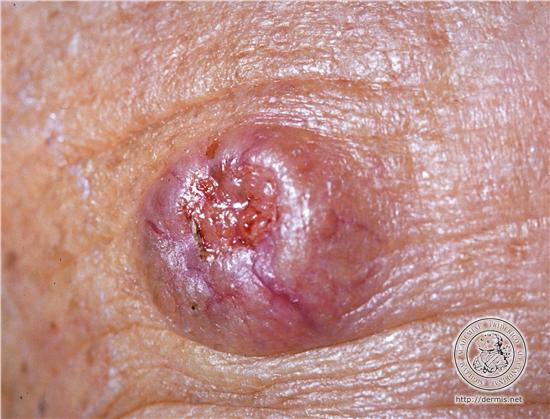 BCCs are the most frequently occurring form of skin cancer. They are abnormal, uncontrolled growths or lesions that arise in the skin’s basal cells, which line the deepest layer of the epidermis (the outermost layer of the skin). BCCs often look like open sores, red patches, pink growths, shiny bumps, or scars. Usually caused by a combination of cumulative UV exposure and intense, occasional UV exposure, BCC can be highly disfiguring if allowed to grow, but almost never spreads (metastasizes) beyond the original tumor site. Only in exceedingly rare cases can BCC spread to other parts of the body and become life-threatening.
There are an estimated 2.8 million cases of BCC diagnosed in the US each year. In fact, it is the most frequently occurring form of all cancers. More than one out of every three new cancers are skin cancers, and the vast majority are BCCs. It shouldn’t be taken lightly: this skin cancer can be disfiguring if not treated promptly. Are you at risk? We have the information you need about the prevention, detection, and treatment of basal cell carcinoma.
Question 19 |
A 44 year-old data entry clerk presents with a one-month history of pain and tingling in the right thumb, index finger,
and middle finger. Tinel's sign and Phalen's maneuver are positive. The most appropriate intervention at this time is:
A | methylprednisolone (Medrol) dose pack. Hint: A Medrol dose pack will have no affect on carpal tunnel syndrome. |
B | splint in neutral position. |
C | observation. Hint: Observation will not improve symptoms. |
D | surgery. Hint: Surgical intervention is reserved for cases unresponsive to conservative therapy. |
E | a corticosteroid injection Hint: Steroid shots can temporarily relieve the painful symptoms of carpal tunnel syndrome, but three-quarters of patients who are initially helped by these injections will eventually require surgery, This is not a good first line therapy, but may be tried if there is no improvement after splinting. |
Question 19 Explanation:
Splinting in neutral position relieves impingement of the median nerve, thus improving symptoms of carpal tunnel.
Question 20 |
Which of the following provides the LEAST definitive diagnostic information in the diagnosis of acute renal failure?
A | twenty four (24) hour urine volume |
B | specific gravity |
C | serum BUN and creatinine |
D | urine osmolality |
E | urine sodium |
Question 21 |
Which of the following is a cause of prerenal azotemia? (Azotemia is an elevation of blood urea nitrogen (BUN) and serum creatinine levels)
A | Infection Hint: Infection is associated with interstitial nephritis, which is considered a cause of intrinsic renal azotemia. |
B | Renal toxins Hint: This is one of the causes of intrinsic renal azotemia. |
C | Poor renal perfusion |
D | Urinary tract obstruction Hint: Urinary tract obstruction is the cause of postrenal azotemia. |
Question 21 Explanation:
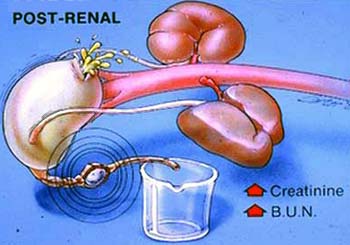 Renal hypoperfusion is the cause of prerenal azotemia, which may be rapidly reversible when renal blood flow and glomerular ultrafiltration pressure are restored.
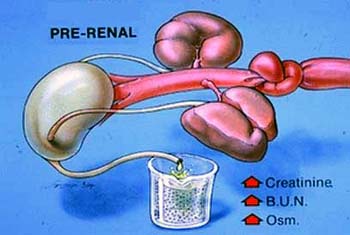 Azotemia has three classifications, depending on its causative origin, but all three types share a few common features. All forms of azotemia are characterized by a decrease in the glomerular filtration rate (GFR) of the kidneys and increases in blood urea nitrogen (BUN) and serum creatinine concentrations. The BUN-to-creatinine ratio (BUN:Cr) is a useful measure in determining the type of azotemia. A normal BUN:Cr is equal to 15.
Learn More
Question 22 |
A 42-year-old man has a blood pressure of 158/98 mm Hg despite confirmed adherence to maximal doses of amlodipine, lisinopril, and chlorthalidone. Serum potassium is 3.2 mEq/L, creatinine is 0.9 mg/dL, and urinalysis is normal. Which of the following is the most likely cause of his hypertension?
A | Renal parenchymal disease Hint: Chronic kidney disease is a common secondary cause in adults (and the most common in children), but a normal creatinine and normal urinalysis make it unlikely here. |
B | Primary aldosteronism |
C | Pheochromocytoma Hint: Pheochromocytoma causes paroxysmal or sustained hypertension with episodic headache, palpitations, and sweating, and it is rare (well under 1 percent of hypertensive patients). It does not explain hypokalemia. |
D | Cushing syndrome Hint: Cushing syndrome raises blood pressure but would come with cushingoid features (central obesity, purple striae, proximal weakness), and it is much less common. |
E | Coarctation of the aorta Hint: Coarctation of the aorta usually presents in childhood or young adulthood with upper-extremity hypertension, diminished or delayed femoral pulses, and a brachial-femoral pulse delay. It does not cause hypokalemia. |
Question 22 Explanation:
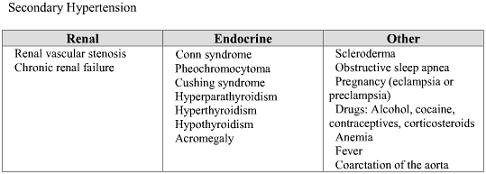
Primary aldosteronism (PA) is one of the most common causes of secondary hypertension in adults, along with obstructive sleep apnea, chronic kidney disease, and renal artery stenosis, and it is found in roughly 1 in 5 patients with resistant hypertension (uncontrolled on 3 drugs including a diuretic). Clues are resistant hypertension and spontaneous or diuretic-induced hypokalemia, but most patients with PA have a normal potassium, so per AHA/ACC everyone with resistant hypertension should be screened regardless of potassium. Screen with a morning plasma aldosterone-to-renin ratio, confirm, then use adrenal CT and adrenal vein sampling to separate an aldosterone-producing adenoma (laparoscopic adrenalectomy) from bilateral adrenal hyperplasia (spironolactone or eplerenone).
Learn More
Question 23 |
A newborn weighs 8 pounds at birth. On average, what should the infant weigh at 1 year of age?
A | 16 pounds |
B | 20 pounds |
C | 24 pounds |
D | 28 punds |
E | 32 pounds |
Question 23 Explanation:
An infant will triple birth weight within the first year of life. A newborn that weighs 8 pounds at birth will weigh approximately 24 pounds at 1 year of age.
Question 24 |
An 18-month-old boy is brought in with 2 days of fever, irritability, and tugging at his right ear after a week of rhinorrhea. Which of the following otoscopic findings is most specific for acute otitis media?
A | Bulging of the tympanic membrane |
B | Decreased mobility of the tympanic membrane Hint: Decreased TM mobility on pneumatic otoscopy shows a middle ear effusion, but an effusion is present in both AOM and otitis media with effusion (OME), so it does not confirm AOM. |
C | Erythema of the tympanic membrane Hint: Redness of the eardrum alone is unreliable because crying, fever, and cerumen removal can all redden the tympanic membrane. |
D | Air-fluid level behind the tympanic membrane Hint: Air bubbles or an air-fluid level behind the TM suggest otitis media with effusion (OME), not AOM. |
E | Retraction of the tympanic membrane Hint: A retracted tympanic membrane reflects negative middle ear pressure from eustachian tube dysfunction or otitis media with effusion, not the outward pressure of purulent fluid seen in acute otitis media. |
Question 24 Explanation:
A bulging tympanic membrane is the single most specific otoscopic finding for acute otitis media (AOM), because it shows a middle ear effusion under pressure with acute inflammation. Per the American Academy of Pediatrics (AAP), AOM is diagnosed by moderate to severe bulging of the tympanic membrane, new-onset otorrhea not caused by otitis externa, or mild bulging with recent (less than 48 hours) ear pain or intense TM erythema. Bulging of the TM is the most specific sign because it shows an effusion under pressure with acute inflammation. Decreased mobility on pneumatic otoscopy confirms a middle ear effusion, but it does not distinguish AOM from otitis media with effusion (OME). Redness alone is unreliable because crying and fever can redden the TM.
Question 25 |
Which of the following is a staphylococcal infection characterized by a localized red swollen and acutely tender abscess of the upper or lower eyelid?
A | Hordeolum |
B | Uveitis Hint: Uveitis is an intraocular inflammation involving the uveal tract. |
C | Chalazion Hint: Chalazion is a granulomatous inflammation of the meibomian gland. (Think "C" for chronic) |
D | Dacryocystitis Hint: Dacryocystitis is an infection of the lacrimal sac due to obstruction of the nasolacrimal system. |
E | pterygium |
Question 25 Explanation:
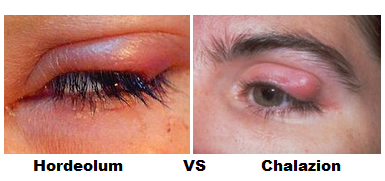 Hordeolum (stye) is a staphylococcal infection characterized by a localized red swollen and acutely tender abscess of the upper or lower eyelid.
Question 26 |
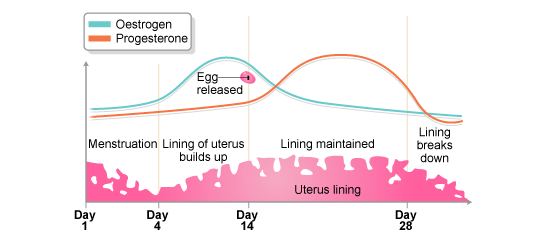
Progesterone influence on the breast tissue prior to menstruation causes
A | proliferation of the mammary ducts. Hint: Proliferation of the mammary ducts is under the influence of estrogen. |
B | growth of the lobules and alveoli. |
C | proliferation of Cooper's ligaments |
D | increase in the number of glands of Montgomery. |
E | lactation |
Question 26 Explanation:
Growth of the lobules and alveoli is under the influence of progesterone. Prior to menses, the breast swelling that women notice is a result of the progesterone which is secreted from the corpus luteum. During menses, the swelling subsides.
Question 27 |
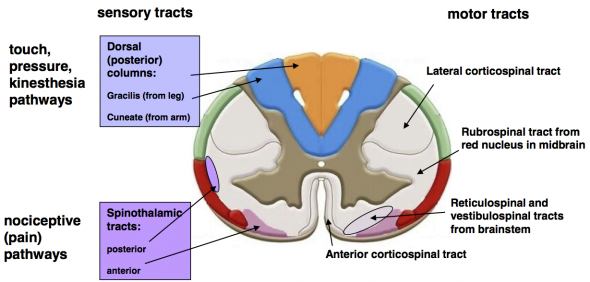
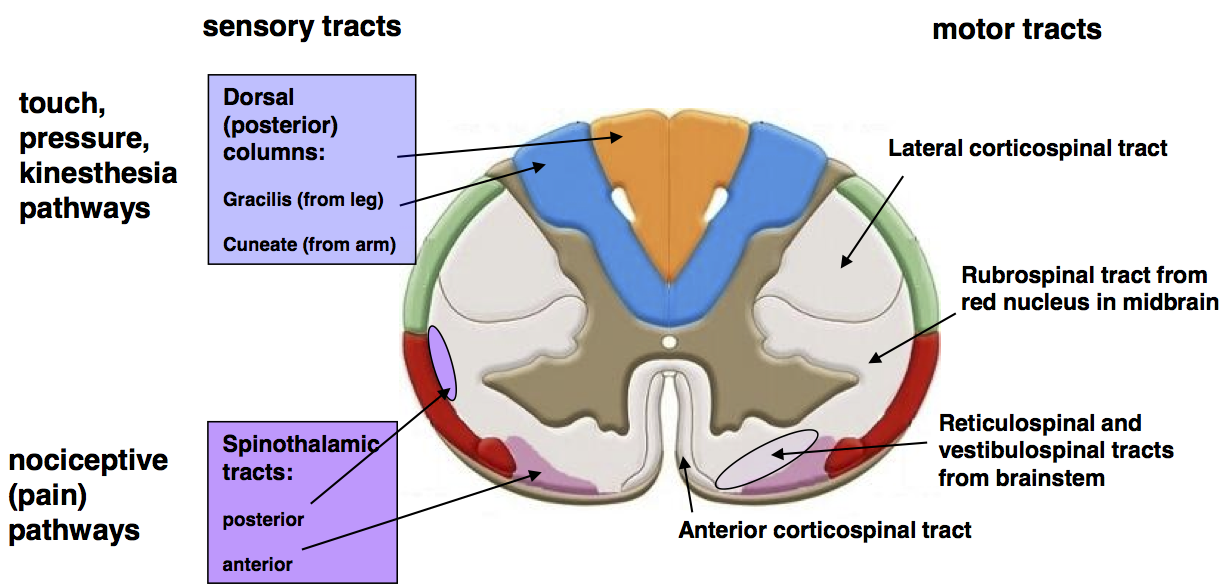
A patient presents with chronic back pain. On physical examination testing, the patient is found to have abnormalities of proprioception and vibration discrimination. Which of the following portions of the spinal column are most likely affected?
A | Lateral spinothalamic tract Hint: The lateral spinothalamic tract affects pain and temperature sensation. |
B | Ventral spinothalamic tract Hint: The ventral spinothalamic tract affects pressures and touch sensations. |
C | Posterior column |
D | Transection of the cord Hint: Patients with transection of the cord will have loss of sensation distal to the area of injury along with paralysis and hyperactive reflexes in the area distal to the transection. |
E | anterior column |
Question 27 Explanation:
The posterior column affects proprioception (position sense) and vibration sense.
Question 28 |
A 64 year-old patient with steroid-dependent chronic obstructive lung disease presents with a headache that has been increasing in severity over the past week, accompanied by nausea and vomiting. He denies fever, but has had photophobia and a stiff neck. Which of the following is the most likely diagnosis?
A | Transient ischemic attack Hint: Transient ischemic attacks present with focal neurological findings rather than headaches. |
B | Bacterial meningitis Hint: Bacterial meningitis is typically acute in onset and causes fever, but immunocompromised patients may have a slower onset and no fever. |
C | Migraine headache Hint: Migraines generally do not begin in this age group, and are not accompanied by nuchal rigidity. |
D | Cryptococcosis |
E | Tension Headache |
Question 28 Explanation:
Cryptococcus is an opportunistic fungal infection that affects immunocompromised patients, including those with HIV, chronic steroid use, organ transplants, diabetes mellitus, and chronic renal or liver disease. The most common clinical presentation is that of meningitis; fever is present in only about half of patients.
Learn More
Question 29 |
Low output congestive heart failure is caused by all of the following conditions EXCEPT
A | ischemic heart disease Hint: See answer for explanation |
B | beriberi |
C | hypertension Hint: See answer for explanation |
D | pericardial disease Hint: See answer for explanation |
E | valvular disease Hint: See answer for explanation |
Question 29 Explanation:
Low output heart failure occurs secondary to ischemic heart disease, hypertension, dilated cardiomyopathy, and valvular and pericardial disease. High output heart failure generally occurs due to hyperthyroidism, anemia, pregnancy, av fistulas beriberi and Paget's disease. What is beriberi?
Question 30 |
A 58-year-old man who had a mechanical mitral valve replacement is started on warfarin. Which of the following is the target international normalized ratio (INR) range for this patient?
A | 1.0 to 2.0 Hint: An INR of 1.0 to 2.0 is subtherapeutic and would leave a mechanical valve at high risk of valve thrombosis and stroke. |
B | 2.0 to 3.0 Hint: An INR of 2.0 to 3.0 (goal 2.5) is the target for a bileaflet mechanical aortic valve without thromboembolic risk factors and for most other indications, such as atrial fibrillation and venous thromboembolism. A mechanical mitral valve needs a higher target. |
C | 2.5 to 3.5 |
D | 3.5 to 4.5 Hint: Patients with an INR greater than 3.5 are at a high risk of developing warfarin-associated bleeding. |
E | 4.5 to 5.5 Hint: An INR above 3.5 markedly increases the risk of warfarin-associated bleeding, and a range this high has no indication. |
Question 30 Explanation:
Per the ACC/AHA valvular heart disease guideline, warfarin for a mechanical mitral valve targets an INR of 3.0 (range 2.5 to 3.5), because the mitral position carries a higher risk of valve thrombosis. A mechanical aortic valve targets an INR of 2.5 (range 2.0 to 3.0), or 3.0 if the patient has thromboembolic risk factors (atrial fibrillation, prior thromboembolism, left ventricular dysfunction, a hypercoagulable state) or an older-generation valve. Direct oral anticoagulants (DOACs) should not be used in patients with mechanical valves.
Question 31 |
Indications for abdominal aortic aneurysm repair include
A | asymptomatic aneurysm greater than 5.5 cm |
B | 5-cm aneurysm in a patient with coronary artery disease Hint: see answer for explanation |
C | asymptomatic aneurysm of 3.4 cm in diameter Hint: see answer for explanation |
D | 4-cm aneurysm in a patient with a recent cerebrovascular accident Hint: see answer for explanation |
E | all patients over the age of 65 Hint: see answer for explanation |
Question 31 Explanation:
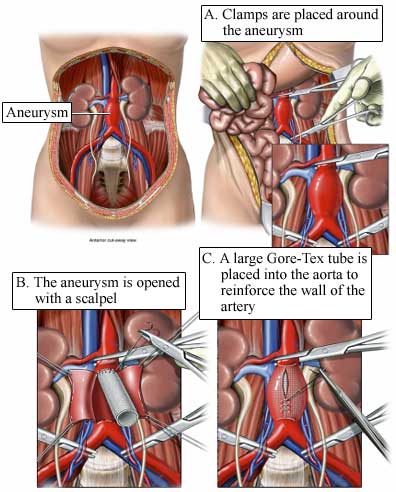 An aneurysm that is 5.5 cm in size requires surgical intervention. Patients who have an aneurysm between 4 and 5 cm require surgical intervention but only if their co-morbidities are low.
Question 32 |
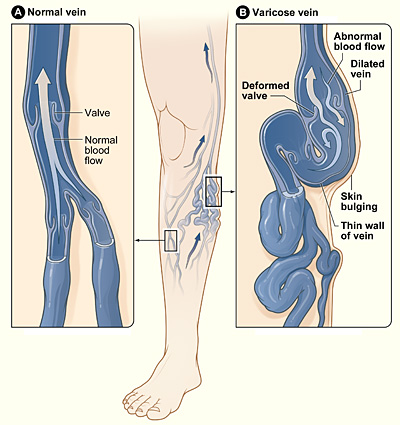
A retired operating room nurse comes to the clinic complaining of a dull ache in her legs after prolonged standing. She notes her legs feel heavy and she has mild ankle edema when she spends the day shopping. The aching pain and the edema resolve spontaneously if the patient elevates her legs. She denies calf tenderness or dyspnea. Physical examination reveals + 1 ankle edema bilaterally. What is her most likely diagnosis?
A | deep venous thrombosis Hint: Deep venous thrombosis edema is usually unilateral, may be associated with calf tenderness or a palpable cord, and does not resolve on its own |
B | lymphedema Hint: Lymphedema is a condition also associated with calf heaviness and edema but the symptoms do not resolve spontaneously. |
C | varicose veins |
D | intermittent claudication Hint: Intermittent claudication is not associated with peripheral edema generally and while the pain is resolved with rest, walking exacerbates the pain. |
E | right sided heart failure Hint: see answer for explanation |
Question 32 Explanation:
Varicose veins develop when individuals spend a prolonged amount of time on their feet.
Question 33 |
A 34-year-old woman who smokes comes to the emergency department with severe substernal chest pressure that began while she was watching television and was not related to exertion. She has never had these symptoms before. An electrocardiogram obtained during the pain shows ST-segment elevation. The pain resolves within minutes of sublingual nitroglycerin, the ST segments return to baseline, and serial troponin levels are normal. Which of the following is the most likely diagnosis?
A | ST-elevation myocardial infarction Hint: Chest pain with ST elevation must be treated as a ST-elevation myocardial infarction until proven otherwise. Here the pain and ST elevation resolve within minutes of nitroglycerin and troponin stays normal, which points to transient coronary vasospasm rather than infarction. |
B | Stable angina Hint: Stable angina is a predictable, exertional chest pressure lasting 2 to 5 minutes that is relieved by rest or nitroglycerin. It does not occur at rest and does not produce ST elevation. |
C | Unstable angina Hint: Unstable angina is new-onset, rest, or crescendo angina from a ruptured atherosclerotic plaque. It typically shows ST depression or T-wave inversion rather than transient ST elevation, and it is far less likely in a young woman without prior angina. |
D | Vasospastic (Prinzmetal) angina |
E | Aortic dissection Hint: Aortic dissection causes abrupt, tearing chest or back pain, often with a pulse or blood pressure differential or a widened mediastinum. It is not relieved by nitroglycerin and does not cause transient ST elevation that normalizes. |
Question 33 Explanation:
Rest chest pain with transient ST elevation that resolves promptly with nitroglycerin, with normal troponins, is the signature of vasospastic (Prinzmetal) angina. Prinzmetal angina occurs in younger patients at rest, with no preceding angina. It is associated with ECG changes and is thought to be related to transient coronary vasospasm rather than atherosclerosis. Classic features are chest pain at rest (often at night or early morning) with transient ST elevation that is rapidly relieved by nitrates. The diagnosis is confirmed by coronary angiography showing no significant fixed obstruction, with spasm that can be provoked and then relieved with intracoronary nitroglycerin. Treatment is a calcium channel blocker with or without a long-acting nitrate, plus smoking cessation; avoid nonselective beta-blockers.
Question 34 |
On examination of a pregnant patient the physician assistant notes the fundal height is at the level of the umbilicus. This corresponds to what gestational age?
A | 16 weeks Hint: see answer for explanation |
B | 20 weeks |
C | 24 weeks Hint: see answer for explanation |
D | 28 weeks Hint: see answer for explanation |
E | 32 weeks Hint: see answer for explanation |
Question 34 Explanation:
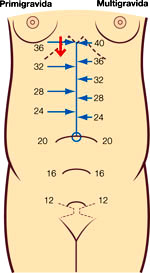 At 20-22 weeks, the fundal height is typically at the level of the umbilicus.
Question 35 |
Which of the following is a common symptom associated with laryngotracheobronchitis (viral croup)?
A | Drooling Hint: Drooling and a "hot potato" voice are seen with epiglottitis, not viral croup. |
B | High Fever Hint: Fever is usually absent or low-grade in patients with viral croup. |
C | "Hot potato" voice |
D | barking cough |
E | patient in "tripod" position Hint: This is seen commonly in patients with asthma |
Question 35 Explanation:
Viral croup is characterized by a history of upper respiratory tract symptoms followed by onset of a barking cough and stridor.
Question 36 |
Which of the following is the most likely pathogen responsible for bronchiectasis?
A | Corynebacterium diphtheriae Hint: Corynebacterium diphtheriae is the causative organism for diphtheria. |
B | Streptococcus pneumoniae |
C | parainfluenza virus Hint: Parainfluenza viruses typically are responsible for croup |
D | rhinovirus Hint: Rhinovirus is the most common pathogen isolated with acute viral rhinitis or the common cold. |
E | adenovirus Hint: see answer for explanation |
Question 36 Explanation:
Bronchiectasis has numerous etiologies. Most commonly, cultures reveal normal oral flora from the lower respiratory tract: Streptococcus pneumoniae, Staphylococcus aureus, Haemophilus influenzae, Pseudomonas aeruginosa.
Question 37 |
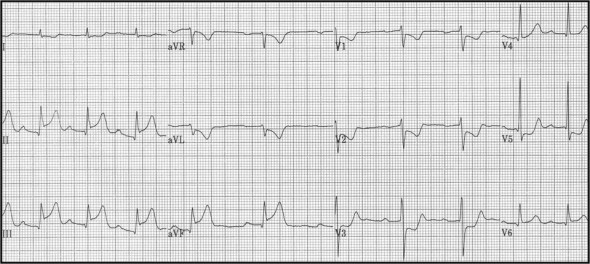
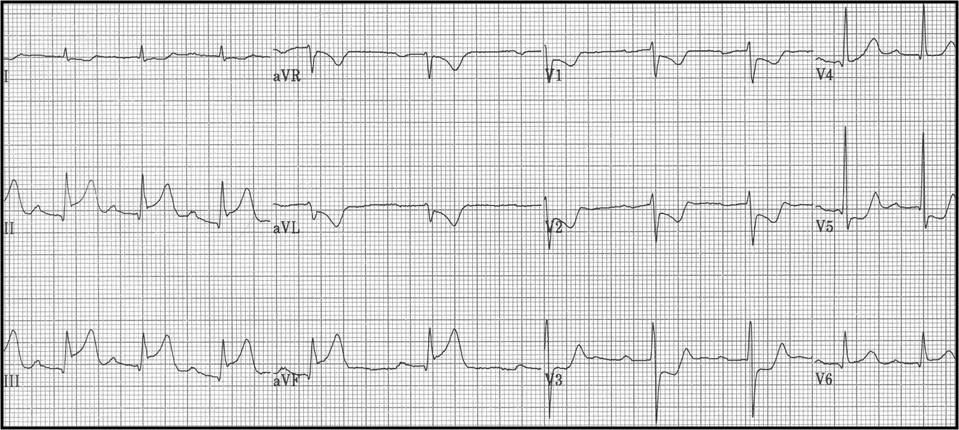
A 62-year-old woman comes into the office complaining of substernal chest pain and diaphoresis. Her electrocardiograph (ECG) indicates ST elevation in leads II, III, and aVF. What is the next step of care for this patient?.
A | obtain a stat chest radiograph Hint: see answer for explanation |
B | start a verapamil drip Hint: Verapamil in acute ischemia is contraindicated. |
C | have the patient chew an aspirin |
D | repeat the ECG Hint: see answer for explanation |
E | call your supervising physician Hint: see answer for explanation |
Question 37 Explanation:
Evidence suggests that aspirin in a patient with acute ischemia is beneficial. There is no need to get further tests to confirm this patient's condition until the patient gets to the hospital. Call the ambulance, time delay should be minimized. I would also begin treatment with sub-lingual nitroglycerin assuming there are no contraindications.
Question 38 |
A 23 year-old female with history of asthma for the past 5 years presents with complaints of increasing shortness of breath for 2 days. Her asthma has been well-controlled until 2 days ago. Since yesterday, she has been using her
albuterol inhaler every 4 to 6 hours. She is normally very active, however yesterday she did not complete her 30 minute exercise routine due to increasing dyspnea. She denies any cough, fever, recent surgeries, or use of oral
contraceptives. On examination, you note the presence of prolonged expiration and diffuse wheezing. The remainder of the exam is unremarkable. Which of the following is the most appropriate initial diagnostic evaluation prior to initiation of treatment?
A | Chest x-ray Hint: A chest x-ray should be ordered in an asthmatic patient only if you are concerned about the presence of pneumonia or pneumothorax, neither of which is supported by the H&P findings noted above. |
B | Sputum gram stain Hint: A sputum gram stain is performed in patients who you suspect have an infectious process, such as pneumonia. |
C | Peak flow |
D | Ventilation-perfusion scan Hint: A ventilation-perfusion scan (V/Q scan) is indicated in cases of suspected pulmonary embolism. The patient above does not have any risk factors that would lead you to suspect such a diagnosis. |
E | Send the patient to for immediate PFT's Hint: see answer for explanation |
Question 38 Explanation:
A peak flow reading will help you to gauge her current extent of airflow obstruction and is helpful in monitoring the effectiveness of any treatment interventions.
Question 39 |
While interviewing a 29-year-old computer programmer, you find that he denies any close friends or prior sexual relationships and has no interest in developing them. He describes little enjoyment in any activities except role play video games. He denies past emotional difficulties or stressors . His exam reveals a flat affect throughout the visit but is otherwise normal. Which is the most likely diagnosis in this scenario?
A | antisocial personality disorder Hint: The lack of aggressiveness and risk-taking behavior lessons the antisocial diagnosis. |
B | adjustment disorder Hint: The patient denied any precipitating event that would lend the problem to an adjustment disorder |
C | seasonal affective disorder Hint: The preference for solitary activities and use of fantasy furthers this picture. and the lack of variance, seasonal or otherwise, lessens the seasonal affective disorder diagnosis. |
D | the "Halo" effect Hint: This is a rare condition caused by playing too many first person shooter games. |
E | schizoid personality disorder |
Question 39 Explanation:
A patient with ambivalence toward sexual relationships, no close contacts, and no desire for either, along with anhedonism and flat affect are typical for this disorder.
Question 40 |
A 19-year-old girl is brought to the ED by her boyfriend after she was found ingesting liquid hand soap. She is restless and agitated and says that she is a horrifying person who does not deserve to be alive. Her boyfriend says that she had been more talkative and excitable than usual. Since yesterday, she has been confused and withdrawn. She admits to getting little sleep and was fired from her summer job due to inappropriate sexual comments. She tells you that because of this, the FBI has been tracking her and that the police are looking for her. Which of the following is the most appropriate medication to be administered as first-line therapy for her condition?
A | Buspirone Hint: This patient does exhibit excessive worry that interferes with normal function, but her hypersexuality, disinhibition, and irritability indicate that anxiety is not the primary diagnosis. |
B | Haloperidol Hint: Haloperidol is indicated for psychosis in children. This patient displays psychotic delusion in her belief of persecution, but this occurs in the context of manic and depressive episodes. It is not first-line treatment due to its side effect profile, and nor in combination with lithium due to neurotoxic interactions. |
C | Lithium |
D | Phenobarbital Hint: Phenobarbital is an anticonvulsant and sedative-hypnotic. It is indicated in status epilepticus and for maintenance therapy in seizure disorders. As a sedative hypnotic, it does not treat the patient's mood episodes. |
Question 40 Explanation:
Bipolar 1 disorder is a mood disorder in which patients experience manic and major depressive episodes. Lithium is the first-line treatment for bipolar disorder.
Question 41 |
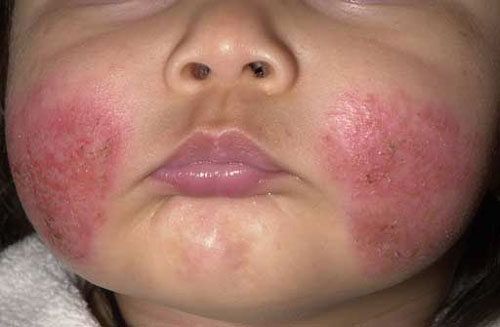
A 3 year-old girl is diagnosed with atopic dermatitis. Which of the following disorders is this child at risk for in the future?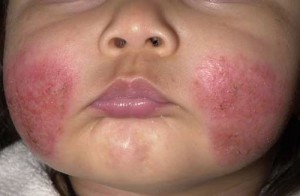
A | Asthma |
B | Tinea pedis Hint: Patients with atopic dermatitis are more likely to get superimposed viral or bacterial infections such as herpes simplex or staphylococcal, but they are not more at risk for fungal infections. |
C | Squamous carcinoma Hint: Patients with atopic dermatitis are at no greater risk for any skin cancer. |
D | Systemic lupus erythematosus (SLE) Hint: Lupus is a connective tissue disorder of the immune system, but unrelated to atopic dermatitis. |
E | osteoporosis Hint: In the old days this may have been true as many patients with atopy and asthma were treated with chronic oral corticosteroids. |
Question 41 Explanation:
Up to 50% of patients with atopic dermatitis develop asthma and/or allergic rhinitis in the future.
Question 42 |
A history of which of the following warrants special consideration when initially prescribing levothyroxine?
A | peptic ulcer disease Hint: see answer for explanation |
B | chronic stable angina |
C | obesity Hint: see answer for explanation |
D | rheumatoid arthritis Hint: see answer for explanation |
E | parkinsonism Hint: see answer for explanation |
Question 42 Explanation:
Multiple factors influence the initial dose of levothyroxine when used for thyroid replacement therapy, including age, the duration and severity of hypothyroidism , and the presence of certain underlying conditions. Thyroid hormones are known to elevate heart rate and increase cardiac contractility, both of which demand more oxygen utilization by the heart. In hypothyroid patients with a history of chronic stable angina, initial levothyroxine doses are typically smaller and then titrated upward. This regimen prevents a more immediate increase on the heart's workload that could occur with usual doses and minimizes the chances of an exacerbation of angina.
Question 43 |
Hypochondriacal patients can mimic which disorder?
A | bipolar disorder Hint: see answer for explanation |
B | acute stress disorder Hint: see answer for explanation |
C | obsessive compulsive disorder |
D | dissociative disorder Hint: see answer for explanation |
Question 43 Explanation:
Hypochondriacs feels there is something wrong with their body. Patients seek reassurance and make frequent visits for medical care. Hypochondriacs can mimic obsessive compulsive disorder obsessions. The difference between the two diagnoses is that hypochondriacs limit their obsessions to their body.
Question 44 |
A 2 month-old infant presents for a routine health maintenance visit. The mother has been concerned about the infant's hearing since birth. Physical examination reveals no apparent response to a sudden loud sound. Which of the following is the most appropriate diagnostic evaluation?
A | audiometry Hint: Pure tone audiometry can be used to screen for hearing deficits in children over the age of 3 years. |
B | tympanometry Hint: Tympanometry is used to identify an effusion as the cause of hearing loss, but in infants over the age of months. |
C | acoustic reflectometry Hint: Acoustic reflectometry measures the spectral gradient of the tympanic membrane, but is not used clinically due to concerns about its reliability. |
D | auditory-evoked potentials |
Question 44 Explanation:
Brainstem auditory-evoked potentials evaluate the sensory pathway and identify the site of any anatomical disruption. The test does not require any active response from the patient and is useful in the evaluation of suspected hearing loss in an infant.
Question 45 |
Which of the following is an independent risk factor for development of a mesothelioma?
A | Cigarette smoking Hint: There has not been any evidence of association between cigarette smoking and the development of mesothelioma. |
B | Asbestos exposure |
C | Radon gas exposure Hint: After cigarette smoking, radon gas is the second most common risk factor for development of bronchogenic lung cancer, not mesothelioma. |
D | Chronic obstructive lung disease Hint: Chronic obstructive lung disease is associated with an increased risk of bronchogenic lung cancer, not mesothelioma. |
E | history of coccidioidomycosis infection Hint: coccidioidomycosis also known as valley fever is not associated with mesothelioma. |
Question 45 Explanation:
Studies confirm the association of asbestos exposure to the development of mesothelioma.
Question 46 |
Which process is not assessed during the mental status exam?
A | judgement Hint: see answer for explanation |
B | affect Hint: see answer for explanation |
C | intelligence quotient |
D | cognition Hint: see answer for explanation |
E | insight Hint: see answer for explanation |
Question 46 Explanation:
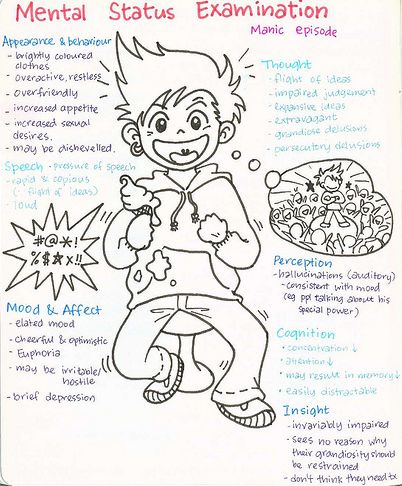 The mental status exam is able to evaluate appearance, affect, mood, speech, activity, and behavior, thought processes, cognition, fund of knowledge, judgment, content of thought, and insight. You can obtain a basic knowledge of the level of intelligence based on information provided by the patients and their behavior. Intelligence quotient is measured through IQ tests.
Question 47 |
One of your patients is a 30-year-old man who tells you he is planning to travel to the Dominican Republic for a 3-week hiking trip. The most appropriate medication to use for malarial prophylaxis is:
A | atovaquone |
B | chloroquine |
C | mefloquine Hint: Mefloquine and doxycycline are medications generally used in chloroquine-resistant regions. |
D | doxycycline Hint: Mefloquine and doxycycline are medications generally used in chloroquine-resistant regions. |
E | Ciprofloxacin |
Question 47 Explanation:
Chloroquine is a standard prophylaxis for the prevention of malaria. The Dominican Republic is a country with a high risk for malaria; it is also a chloroquine-susceptible region as are most parts of Central America and Mexico. It is safe, efficacious, and has few major side effects. It is ideal for short visits to endemic regions.
Learn More
Question 48 |
A 27-year-old Rh-negative 14-week gestation woman presents to the emergency department (ED) with vaginal bleeding and passage of “clots.” The patient is suspected of undergoing a spontaneous abortion. Which of the following is the most appropriate dose of RhoGAM?
A | 50 μg Hint: Rh-negative women in the setting of ectopic pregnancies, threatened abortions, and/ or complete abortions should be given 50 μg if they are at less than 12 weeks’ gestation |
B | 75 μg Hint: see answer for explanation |
C | 100 μg Hint: see answer for explanation |
D | 300 μg |
E | 600 μg Hint: see answer for explanation |
Question 48 Explanation:
Rh-negative women who are exposed to Rh-positive blood through pregnancy, delivery, threatened or spontaneous hemorrhage, surgery for ectopic pregnancy, or amniocentesis may become sensitized and require anti-D immunoglobulin (RhoGAM). Patients who are Rh-negative should be administered RhoGAM in threatened or spontaneous abortions. Rh-negative women in the setting of ectopic pregnancies, threatened abortions, and/ or complete abortions should be given 50 μg if they are at less than 12 weeks’ gestation and 300 μg if they are at 12 or more weeks’ gestation.
Question 49 |
A 65-year-old ill-appearing woman presents to the ED with tachycardia, tachypnea, and an arterial pH of 7.10. What is the most likely cause of her high anion gap metabolic acidosis?
A | diabetic ketoacidosis |
B | lactic acidosis |
C | alcoholic ketoacidosis |
D | nonketotic hyperosmolar acidosis |
E | aspirin poisoning |
Question 49 Explanation:
Metabolic acidosis is characterized by increased production of acids, decreased excretion of acids, or loss of bicarbonate. The etiology of metabolic acidosis is divided into those with a normal anion gap and those associated with an increased anion gap. Metabolic acidosis with an increased anion gap includes lactic acidosis, ketoacidosis, and renal failure. Lactic acidosis, the most common cause of nonhospitalized, nondiabetic metabolic acidosis is due to decreased oxygen delivery to tissues and associated anaerobic metabolism, which results in an increased production of lactate. This lactate production accompanies severe metabolic acidosis. Low tissue perfusion, characteristic of lactic acidosis, may include shock and sepsis. Metabolic acidosis with a normal anion gap is known as hyperchloremic metabolic acidosis. The primary causes of normal anion gap acidosis include renal loss of bicarbonate through proximal tubular acidosis, distal tubular acidosis, hyperkalemic renal tubular acidosis, renal insufficiency, or carbonic anhydrase inhibition and gastrointestinal loss of alkali through diarrhea, pancreatic fistulas, or ureterosigmoidostomy.
Question 50 |
A 76-year-old woman (60 kg) with organic brain syndrome presents to the ED with a serum sodium level of 180 mg/ dL. What is the approximate calculation of the water deficit in this hypernatremic patient?
A | 4 L |
B | 6 L |
C | 8 L |
D | 11 L |
E | 14 L |
Question 50 Explanation:
The definition of hypernatremia is a serum sodium level more than 145 mEq/ L. Hypernatremia is classified as isovolemic (diabetes insipidus, skin loss through hyperthermia, and iatrogenic), hypervolemic (administration of hypernatremic solutions, mineralocorticoid excess as in Conn or Cushing syndrome, and salt ingestion), and hypovolemic (renal losses through diuretics or glycosuria, GI, respiratory, or skin losses, and adrenal deficiencies). Water deficit in hypernatremic patients is calculated by the following formula:
In Women: Water deficit (L) = [0.5 (body weight, kg)] × (measured serum sodium/ normal serum sodium) − 1 Water deficit = 0.5 (60) = 30 [( 180/ 140) − 1] = 30 (0.2857) = 8.6 L. (Gibbs and Tavel, 2006, pp. 1935-1937)
Make it easy with MedCalc
Question 51 |
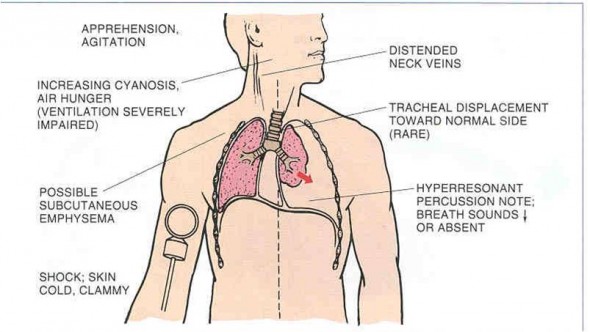
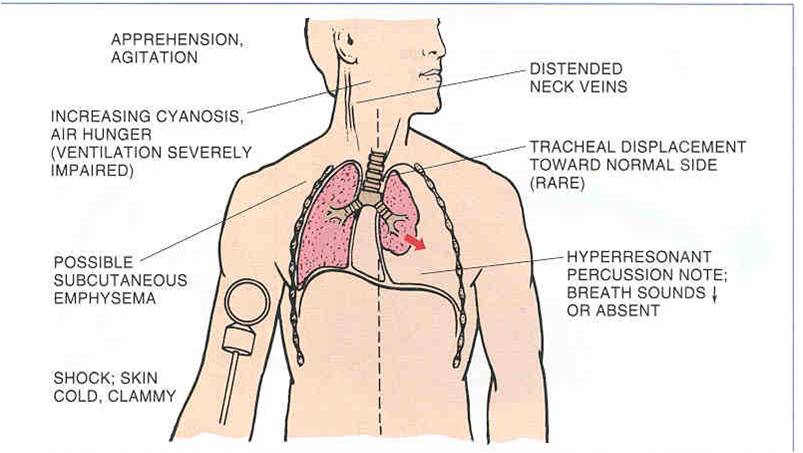
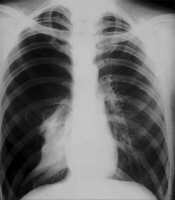 Which of the following mechanisms leads to a primary pneumothorax?
A | Penetrating or blunt trauma forces Hint: Penetrating or blunt trauma force is responsible for a traumatic pneumothorax. |
B | Underlying lung cancer Hint: A pneumothorax that results from an underlying lung disease is classified as a secondary pneumothorax. |
C | Pressure of air in the pleural space exceeds room air pressure Hint: When pressure of air in the pleural space exceeds room air pressure, it leads to a tension pneumothorax. |
D | Rupture of subpleural apical blebs due to high negative intrapleural pressures |
Question 51 Explanation:
A primary spontaneous pneumothorax is thought to result from a rupture of subpleural apical blebs secondary to high negative intrapleural pressures. Primary spontaneous pneumothorax is an abnormal accumulation of air in the space between the lungs and the chest cavity (called the pleural space) that can result in the partial or complete collapse of a lung. This type of pneumothorax is described as primary because it occurs in the absence of lung disease such as emphysema. Spontaneous means the pneumothorax was not caused by an injury such as a rib fracture. Primary spontaneous pneumothorax is likely due to the formation of small sacs of air (blebs) in lung tissue that rupture, causing air to leak into the pleural space. Air in the pleural space creates pressure on the lung and can lead to its collapse. A person with this condition may feel chest pain on the side of the collapsed lung and shortness of breath.
Blebs may be present on an individual's lung (or lungs) for a long time before they rupture. Many things can cause a bleb to rupture, such as changes in air pressure or a very sudden deep breath. Often, people who experience a primary spontaneous pneumothorax have no prior sign of illness; the blebs themselves typically do not cause any symptoms and are visible only on medical imaging. Affected individuals may have one bleb to more than thirty blebs. Once a bleb ruptures and causes a pneumothorax, there is an estimated 13 to 60 percent chance that the condition will recur.
Question 52 |
What is the initial treatment of choice for hyperthyroidism in a 10-week pregnant patient?
A | Methimazole Hint: See B for explanation |
B | Propylthiouracil (PTU) |
C | Radioiodine treatment Hint: Radioiodine treatment is contraindicated in pregnancy. |
D | Subtotal thyroidectomy Hint: Subtotal thyroidectomy is an option for pregnant patients during the second or third trimesters. Surgery is not indicated for first-trimester pregnancies. |
Question 52 Explanation:
Women diagnosed with symptomatic, moderate to severe hyperthyroidism during the first trimester of pregnancy should take PTU. Patients may continue PTU for the remainder of pregnancy or switch to methimazole at 16 weeks. Women diagnosed with symptomatic, moderate to severe hyperthyroidism after the first trimester should take methimazole.
Question 53 |
A 58-year-old man with multiple myeloma presents to the ED with altered mental status, hypertension, back pain, and constipation. These findings are suggestive of which of the following medical conditions?
A | hyperkalemia Hint: Hyperkalemia may produce manifestations of weakness, irritability, paresthesias, paralysis, cardiac arrhythmia, and decreased deep tendon reflexes. |
B | hypercalcemia |
C | hypomagnesemia Hint: Hypomagnesemia symptoms include weakness , fasciculations, tremors, convulsions, delirium, coma, hyperreflexia, and cardiac arrhythmias. |
D | hypoglycemia Hint: Hypoglycemia commonly presents with varying degrees of diaphoresis, anxiety, tremors, tachycardia , palpitations, fatigue, syncope, headache, visual disturbances, hemiplegia, and seizures. |
E | hyponatremia Hint: Hyponatremia may present as confusion, muscle cramps, anorexia , nausea, lethargy, seizures, and coma depending on the degree and rapidity of onset. |
Question 53 Explanation:
Hypercalcemia associated with malignancies is commonly due to increased bone resorption through osteoclastic factors, parathyroid hormone (PTH) factors, prostaglandins, peptides, steroids , and direct erosion by tumor cells. Common neoplasms include multiple myeloma, lymphosarcoma, adult T-cell lymphoma, and Burkitt lymphoma. Symptoms of hypercalcemia are variable depending on the degree elevation. Typical symptoms include constipation, anorexia, vomiting, confusion, obtundation, psychosis, nephrolithiasis, renal insufficiency, myopathy, back pain, weakness, and hypertension.
Question 54 |
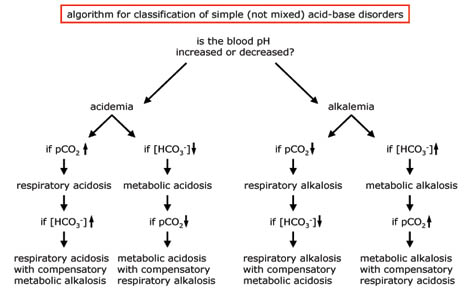
Which of the following diagnoses is associated with a non– anion gap acidosis?
A | renal tubular acidosis |
B | methanol poisoning Hint: see explanation |
C | ketoacidosis Hint: see explanation |
D | uremia associated with renal failure Hint: see explanation |
E | ethylene glycol poisoning Hint: see explanation |
Question 54 Explanation:
Renal tubular acidosis is an example of a normal anion gap acidosis in which there is an increase in chloride and a loss of bicarbonate. The other choices of diagnoses are associated with a high anion gap metabolic acidosis or a metabolic alkalosis.
Question 55 |
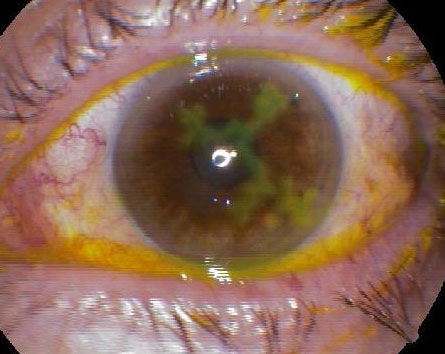 A patient presents with eye pain and blurred vision. Snellen testing reveals vision of 20/200 in the affected eye and 20/20 in the unaffected eye. Fluorescein staining reveals the presence of a dendritic ulcer. Which of the following is the most likely diagnosis?
A | Viral keratitis |
B | Fungal corneal ulcer Hint: Fungal corneal ulcers have an indolent course with intraocular infection being common but fluorescein staining is negative for a dendritic pattern. |
C | Acanthamoeba keratitis Hint: Acanthamoeba keratitis has a waxing and waning course over several months and has no fluorescein staining in a dendritic pattern. |
D | Bacterial corneal ulcer Hint: Bacterial corneal ulcers can progress aggressively resulting in corneal perforation. Fluorescein staining does not occur in a dendritic pattern. |
Question 55 Explanation:
Herpes Simplex virus is a common cause of dendritic ulceration noted on fluorescein staining.
Question 56 |
A 58-year-old man with a 15-year history of poorly controlled hypertension has a routine electrocardiogram (ECG) at a follow-up visit. He has no chest pain or dyspnea. Which of the following ECG findings would indicate hypertensive end-organ damage?
A | Right bundle branch block Hint: Right bundle branch block reflects delayed conduction in the right ventricle and can be seen with right heart strain or as an incidental finding. Systemic hypertension loads the left ventricle, not the right. |
B | Left ventricular hypertrophy |
C | Right ventricular hypertrophy Hint: Right ventricular hypertrophy results from pulmonary hypertension, chronic lung disease, or pulmonic stenosis, which raise right-sided pressure. Systemic hypertension hypertrophies the left ventricle. |
D | ST-segment elevation in the lateral leads Hint: ST-segment elevation signals acute myocardial injury (infarction, pericarditis, or vasospasm), not chronic pressure overload from hypertension. |
E | First-degree atrioventricular block Hint: First-degree atrioventricular block is a conduction delay from aging, medications (beta blockers, calcium channel blockers, digoxin), or high vagal tone. It is not a marker of hypertensive target-organ damage. |
Question 56 Explanation:
Long-standing hypertension causes concentric left ventricular hypertrophy (LVH), which is the classic electrocardiographic sign of hypertensive heart disease and a marker of target-organ damage. The pressure-overloaded left ventricle thickens, producing increased QRS voltage (for example, an S wave in V1 plus an R wave in V5 or V6 of 35 mm or more, or an R wave in aVL of 11 mm or more), often with a strain pattern of asymmetric ST depression and T-wave inversion in the lateral leads. LVH on ECG independently predicts heart failure, arrhythmia, and cardiovascular death, and its presence should prompt tighter blood pressure control; echocardiography is more sensitive for confirming it.
Right-sided findings (right bundle branch block, right ventricular hypertrophy) point to pulmonary or right-heart disease, and ST-segment elevation indicates acute injury rather than chronic pressure overload.
Question 57 |
Annual blood pressure determinations should be obtained beginning at the age of
A | 3 years |
B | 5 years Hint: See answer for explanation |
C | 12 years Hint: See answer for explanation |
D | 18 years Hint: See answer for explanation |
E | 21 years Hint: See answer for explanation |
Question 57 Explanation:
Periodic measurements of blood pressure should be part of routine preventive health assessments beginning at the age of 3 years.
Question 58 |
A 58-year-old man presents to the emergency department 2 hours after the onset of crushing substernal chest pain that radiates to his left arm. He is diaphoretic. An electrocardiogram shows 1-mm ST-segment depression in leads V4 through V6 without ST-segment elevation. An initial high-sensitivity cardiac troponin drawn at presentation is within the normal reference range. Which of the following is the most appropriate next step in management?
A | Discharge home with outpatient exercise stress testing Hint: A single normal troponin drawn 2 hours after symptom onset does not exclude myocardial infarction, because troponin may take several hours to rise. Discharging a patient with ischemic ECG changes on one normal value is unsafe. |
B | Repeat the high-sensitivity troponin measurement in 1 to 2 hours |
C | Measure serum myoglobin and CK-MB levels Hint: Myoglobin and CK-MB add nothing to high-sensitivity troponin testing, which is the preferred biomarker for myocardial injury. |
D | Obtain a transthoracic echocardiogram to confirm infarction Hint: Echocardiography can show a regional wall-motion abnormality but is neither required nor sufficient to diagnose infarction. The diagnosis rests on serial troponin with a compatible presentation. |
E | Order a D-dimer to evaluate for pulmonary embolism Hint: Nothing in this presentation points to pulmonary embolism. Ischemic-quality pain with ST depression points to an acute coronary syndrome. |
Question 58 Explanation:
A single normal troponin drawn early after symptom onset does not rule out myocardial infarction, because troponin takes time to rise into the bloodstream. The diagnosis of non-ST-elevation myocardial infarction rests on a rise and/or fall of cardiac troponin on serial measurements. With high-sensitivity assays, the ACC/AHA-endorsed rapid protocols repeat the troponin 1 to 2 hours after the first draw (the 0/1-hour or 0/2-hour algorithm); with conventional assays, the repeat is drawn at 3 to 6 hours. A rising value confirms acute myocardial injury, while two normal values in a low-risk patient make infarction very unlikely.
This patient has ischemic-quality pain, diaphoresis, and ST depression, so he is managed as an acute coronary syndrome while the serial troponin is pending. Aspirin, anticoagulation, and risk stratification should not wait for the second troponin. Older markers such as myoglobin and CK-MB rise and fall on their own schedules but add nothing to high-sensitivity troponin, which is the preferred biomarker.
(Review PANCE/PANRE Blueprint Topic: Acute myocardial infarction)
Question 59 |
A 43-year-old female presents with complaints of heartburn and a "sticking sensation in my throat when I try to swallow liquids or solid foods." Review of systems reveals that her fingers often hurt and change colors to white or blue in cold weather. Physical exam is significant for abnormally taught skin on the patient's hands. Which of the following would most likely be found on manometry in this patient?
A | Failure of lower esophageal sphincter (LES) relaxation and aperistalsis throughout the esophagus Hint: This patient has clinical features suggestive of scleroderma or CREST syndrome. Manometry in these patients commonly shows absence of peristaltic waves in the lower 1/3 of the esophagus and a significant decrease in lower esophageal sphincter (LES) tone.
The components of CREST syndrome include calcinosis, Raynaud's, esophageal dysmotility (secondary to LES sclerosis), sclerodactyly, and telangiectasias; it is a form a systemic scleroderma (sclerosis). The disease involves excessive deposition of collagen and is most common in females between the ages of 30-50. Raynaud's is typically the fist symptom to present, followed by finger puffiness that later progresses to thickening of the skin of the fingers. |
B | Decreased LES tone and aperistalsis in the distal esophagus |
C | Increased LES tone and normal peristaltic motion throughout the esophagus Hint: This patient has clinical features suggestive of scleroderma or CREST syndrome. Manometry in these patients commonly shows absence of peristaltic waves in the lower 1/3 of the esophagus and a significant decrease in lower esophageal sphincter (LES) tone.
The components of CREST syndrome include calcinosis, Raynaud's, esophageal dysmotility (secondary to LES sclerosis), sclerodactyly, and telangiectasias; it is a form a systemic scleroderma (sclerosis). The disease involves excessive deposition of collagen and is most common in females between the ages of 30-50. Raynaud's is typically the fist symptom to present, followed by finger puffiness that later progresses to thickening of the skin of the fingers. |
D | Uncoordinated peristalsis throughout the esophagus Hint: This patient has clinical features suggestive of scleroderma or CREST syndrome. Manometry in these patients commonly shows absence of peristaltic waves in the lower 1/3 of the esophagus and a significant decrease in lower esophageal sphincter (LES) tone.
The components of CREST syndrome include calcinosis, Raynaud's, esophageal dysmotility (secondary to LES sclerosis), sclerodactyly, and telangiectasias; it is a form a systemic scleroderma (sclerosis). The disease involves excessive deposition of collagen and is most common in females between the ages of 30-50. Raynaud's is typically the fist symptom to present, followed by finger puffiness that later progresses to thickening of the skin of the fingers. |
E | Discordant timing of opening and relaxation between upper and lower esophageal sphincters Hint: This patient has clinical features suggestive of scleroderma or CREST syndrome. Manometry in these patients commonly shows absence of peristaltic waves in the lower 1/3 of the esophagus and a significant decrease in lower esophageal sphincter (LES) tone.
The components of CREST syndrome include calcinosis, Raynaud's, esophageal dysmotility (secondary to LES sclerosis), sclerodactyly, and telangiectasias; it is a form a systemic scleroderma (sclerosis). The disease involves excessive deposition of collagen and is most common in females between the ages of 30-50. Raynaud's is typically the fist symptom to present, followed by finger puffiness that later progresses to thickening of the skin of the fingers. |
Question 59 Explanation:
This patient has clinical features suggestive of scleroderma or CREST syndrome. Manometry in these patients commonly shows absence of peristaltic waves in the lower 1/3 of the esophagus and a significant decrease in lower esophageal sphincter (LES) tone. The components of CREST syndrome include calcinosis, Raynaud's, esophageal dysmotility (secondary to LES sclerosis), sclerodactyly, and telangiectasias; it is a form a systemic scleroderma (sclerosis). The disease involves excessive deposition of collagen and is most common in females between the ages of 30-50. Raynaud's is typically the fist symptom to present, followed by finger puffiness that later progresses to thickening of the skin of the fingers.
Question 60 |
A 34-year-old male is brought to the emergency department by paramedics after being found down on the sidewalk. The paramedics are unable to provide any further history and the patient is unresponsive. On exam, the patient's vitals are T: 36 deg C, HR: 65 bpm, BP: 100/66, RR: 4, SaO2: 96%. You observe pinpoint pupils and markings on patients forearm. This patient most likely overdosed on which of the following?

A | Cocaine Hint: Opioid overdose is a significant public health problem in the United States, with mortality now exceeding that from motor vehicle collisions (Illustration B). In the past 10 years, deaths from opioid overdoses has more than quadrupled. Opioid overdose typically presents with depressed respiratory rate, depressed consciousness, miosis, hypotension, and bradycardia. Furthermore, in those patients who are heroin users track marks will often be observed in the antecubital fossa, wrists, or feet from injection drug use. The treatment is naloxone, an inexpensive and effective antidote, which causes immediate reversal and can precipitate immediate and uncomfortable withdrawal. |
B | Marijuana Hint: Opioid overdose is a significant public health problem in the United States, with mortality now exceeding that from motor vehicle collisions (Illustration B). In the past 10 years, deaths from opioid overdoses has more than quadrupled. Opioid overdose typically presents with depressed respiratory rate, depressed consciousness, miosis, hypotension, and bradycardia. Furthermore, in those patients who are heroin users track marks will often be observed in the antecubital fossa, wrists, or feet from injection drug use. The treatment is naloxone, an inexpensive and effective antidote, which causes immediate reversal and can precipitate immediate and uncomfortable withdrawal. |
C | Alcohol Hint: Opioid overdose is a significant public health problem in the United States, with mortality now exceeding that from motor vehicle collisions (Illustration B). In the past 10 years, deaths from opioid overdoses has more than quadrupled. Opioid overdose typically presents with depressed respiratory rate, depressed consciousness, miosis, hypotension, and bradycardia. Furthermore, in those patients who are heroin users track marks will often be observed in the antecubital fossa, wrists, or feet from injection drug use. The treatment is naloxone, an inexpensive and effective antidote, which causes immediate reversal and can precipitate immediate and uncomfortable withdrawal. |
D | Heroin |
E | Phencyclidine Hint: Opioid overdose is a significant public health problem in the United States, with mortality now exceeding that from motor vehicle collisions (Illustration B). In the past 10 years, deaths from opioid overdoses has more than quadrupled. Opioid overdose typically presents with depressed respiratory rate, depressed consciousness, miosis, hypotension, and bradycardia. Furthermore, in those patients who are heroin users track marks will often be observed in the antecubital fossa, wrists, or feet from injection drug use. The treatment is naloxone, an inexpensive and effective antidote, which causes immediate reversal and can precipitate immediate and uncomfortable withdrawal. |
Question 60 Explanation:
Opioid overdose is a significant public health problem in the United States, with mortality now exceeding that from motor vehicle collisions. In the past 10 years, deaths from opioid overdoses has more than quadrupled. Opioid overdose typically presents with depressed respiratory rate, depressed consciousness, miosis, hypotension, and bradycardia. Furthermore, in those patients who are heroin users track marks will often be observed in the antecubital fossa, wrists, or feet from injection drug use. The treatment is naloxone, an inexpensive and effective antidote, which causes immediate reversal and can precipitate immediate and uncomfortable withdrawal.
Once you are finished, click the button below. Any items you have not completed will be marked incorrect.
Get Results
There are 60 questions to complete.
← |
List |
→ |
Return
Shaded items are complete.
| 1 | 2 | 3 | 4 | 5 |
| 6 | 7 | 8 | 9 | 10 |
| 11 | 12 | 13 | 14 | 15 |
| 16 | 17 | 18 | 19 | 20 |
| 21 | 22 | 23 | 24 | 25 |
| 26 | 27 | 28 | 29 | 30 |
| 31 | 32 | 33 | 34 | 35 |
| 36 | 37 | 38 | 39 | 40 |
| 41 | 42 | 43 | 44 | 45 |
| 46 | 47 | 48 | 49 | 50 |
| 51 | 52 | 53 | 54 | 55 |
| 56 | 57 | 58 | 59 | 60 |
| End |
Return
You have completed
questions
question
Your score is
Correct
Wrong
Partial-Credit
You have not finished your quiz. If you leave this page, your progress will be lost.
Correct Answer
You Selected
Not Attempted
Final Score on Quiz
Attempted Questions Correct
Attempted Questions Wrong
Questions Not Attempted
Total Questions on Quiz
Question Details
Results
Date
Score
Hint
Time allowed
minutes
seconds
Time used
Answer Choice(s) Selected
Question Text
All done
Need more practice!
Keep trying!
Not bad!
Good work!
Perfect!