Hypertensive emergencies: The Daily PANCE Blueprint
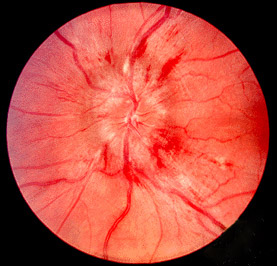
A 58-year-old male with a known history of hypertension presents to the emergency department with severe headache and blurred vision that started this morning. He reports feeling increasingly confused and nauseous. On examination, his blood pressure is 220/130 mmHg, heart rate is 90 bpm, and he has bilateral papilledema. Laboratory tests reveal a serum creatinine of 2.1 mg/dL. What is the next best step in the management of this patient?
A. Administer clonidine
B. Immediate discharge with outpatient follow-up
C. Initiate sodium nitroprusside infusion
D. Start oral antihypertensive medication
E. Observation without treatment
Answer and topic summary
The answer is C. Initiate sodium nitroprusside infusion
The patient presents with hypertensive emergency, characterized by severe hypertension with end-organ damage (e.g., papilledema, elevated serum creatinine). The next best step is to initiate an intravenous antihypertensive agent to rapidly reduce blood pressure. Sodium nitroprusside is often used in this setting because it can be titrated to quickly and effectively lower blood pressure. The goal is to reduce mean arterial pressure by no more than 25% within the first hour, followed by gradual reduction.
- Clonidine is used for hypertensive urgency without end-organ damage.
- Immediate discharge is inappropriate due to the severity of the condition.
- Oral antihypertensive medication is not sufficient for rapid BP control in emergencies.
- Observation without treatment is inappropriate due to the risk of worsening organ damage.
Hypertensive Urgency (severe asymptomatic hypertension)
Very high blood pressure (systolic ≥ 180 or diastolic ≥ 120) WITHOUT target-organ damage
Hypertensive Emergency
Severe hypertension (SBP ≥ 180 and/or DBP ≥ 120) WITH signs of damage to target organs – retinal hemorrhages, papilledema, encephalopathy, acute and subacute kidney injury, intracranial hemorrhage, aortic dissection, pulmonary edema, unstable angina or MI.
Smarty PANCE Content Blueprint Review:
Covered under ⇒ PANCE Blueprint Cardiology ⇒ ⇒