Acute and chronic lymphocytic leukemia: The Daily PANCE Blueprint
A 6-year-old male presents with fever, easy bruising, frequent infections, and weight loss. His blood smear shows many immature lymphocytes. What is the most likely diagnosis?
A. AML
B. ALL
C. CLL
D. Hodgkin lymphoma
E. Multiple myeloma
Answer and topic summary
The answer is B. ALL
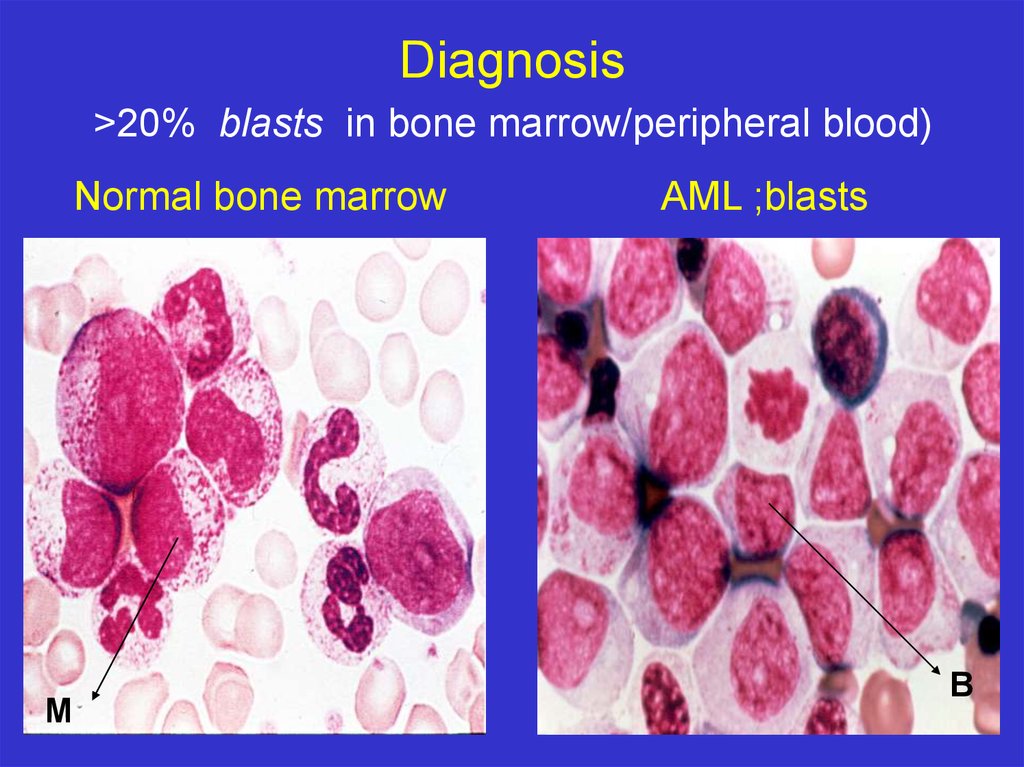
Acute lymphocytic leukemia (ALL) is the most common type of leukemia in children (typically between ages 3 and 7). It is a cancer of B or T lymphoblasts and is defined by the proliferation of abnormal, immature lymphocytes. It is caused by chromosomal translocations (12, 21) and (9, 22). Clinical features include fatigue, lymphadenopathy, frequent infections, easy bruising/bleeding, fevers, weight loss, night sweats, and pancytopenia. A key clinical symptom of T-cell ALL is that the abnormal lymphoblasts migrate to the thymus, causing thymus enlargement, which can present as a mass or growth in the mediastinum. Bone marrow aspiration and biopsy will show > 20% blasts. Peripheral blood smear will demonstrate peripheral blasts. Blast cells in the peripheral smear may approach 90% of the white blood cell (WBC) count. Treatment is chemotherapy (90% responsive).
View blueprint lesson
Smarty PANCE Content Blueprint Review:
Covered under ⇒ PANCE Blueprint Hematology ⇒ ⇒
Also covered as part of the Internal Medicine EOR, Emergency Medicine EOR, Family Medicine EOR, and Pediatric EOR topic list