
PANCE Blueprint Neurology (7%)

PANCE Blueprint Neurology (7%)

PANCE Blueprint Neurology (7%)

Follow along with the NCCPA™ PANCE and PANRE Neurology Content Blueprint

Lessons

    1. PANRE/PANRE-LA Neurology Practice Exam

  1. Neurology 82 Question Comprehensive Exam

    Comprehensive PANCE/PANRE Neurology Blueprint Exam
  2. Smarty PANCE Neurology Flashcards and Cheat Sheet

    Covers all Neurology PANCE/PANRE NCCPA Content Blueprint topics. Download and print the cheat sheet and access our Premium Quizlet flashcard sets.
    1. Additional Neurology Flashcards

  3. Cerebrovascular Disorders (PEARLS)

    1. Arteriovenous malformation

      Arteriovenous malformation is an abnormal connection between arteries and veins, bypassing the capillary system usually in the brain or spine, but also lungs
      • Brain: epilepsy, neurologic deficits, severe sudden onset headache indicates subarachnoid hemorrhage
      • Spine: sensory disturbances, muscle weakness, and paralysis
      • Lungs: Usually asymptomatic, may cause SOB or hemoptysis
      • The cause is poorly understood - may be congenital or genetic
      • Diagnosed by angiography (gold standard), CT scan or MRI
      • Treat all AVNs - radiosurgery or endovascular embolization
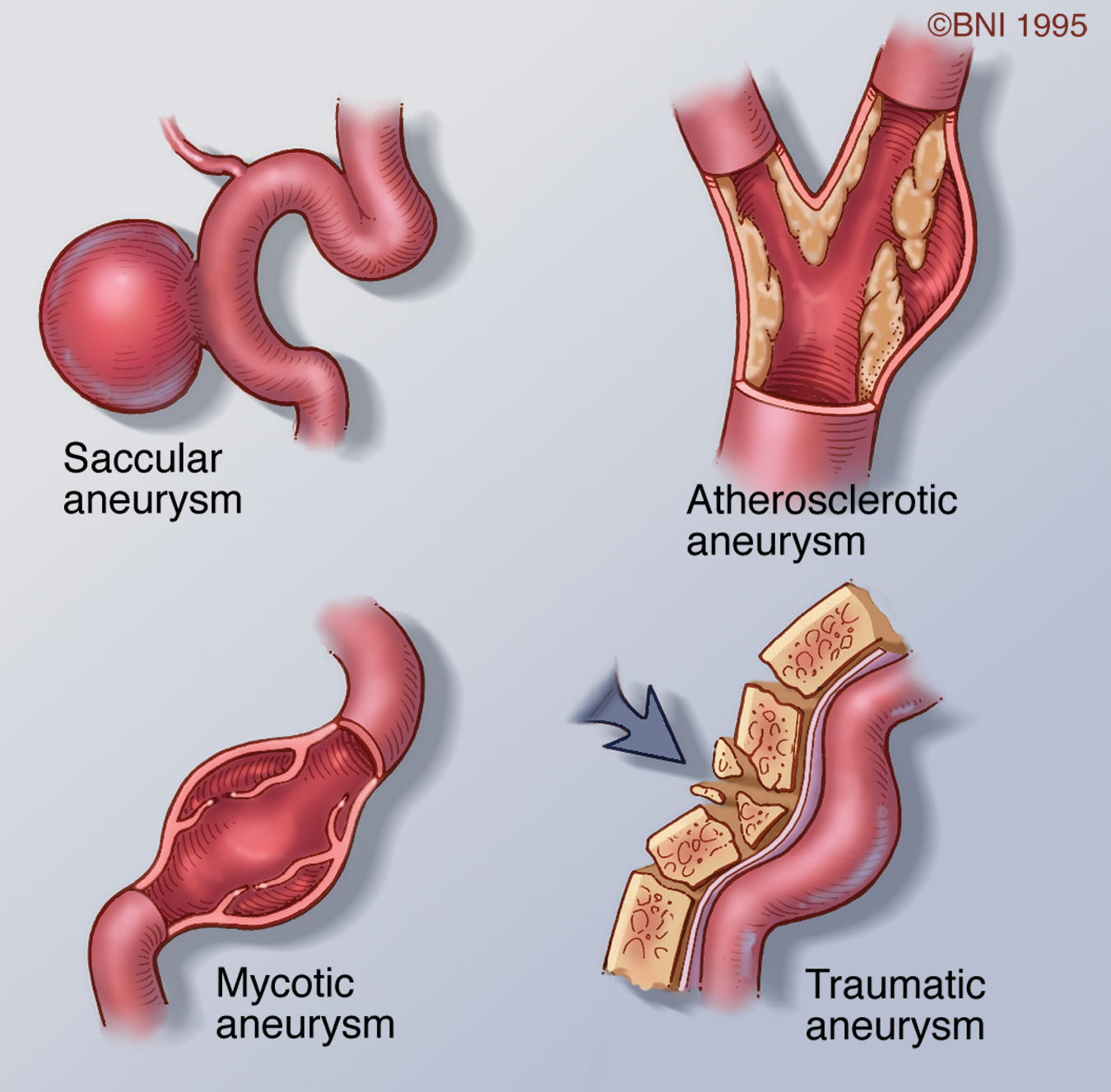
    2. Cerebral aneurysm

      Weak, bulging spot on the wall of a brain artery, very much like a thin balloon or weak spot on an inner tube.
      • Usually found either incidentally or when a patient presents with subarachnoid hemorrhage.
      • Before a larger aneurysm ruptures, the individual may experience such symptoms as a sudden and unusually severe headache, nausea, vision impairment, vomiting, and loss of consciousness.
      • A key symptom of a ruptured aneurysm is a sudden, severe headache (the worst headache of my life).
      • Types include saccular (berry), fusiform, dissecting, mycotic, and traumatic.
      • Ruptured saccular (berry) aneurysm accounts for approximately 75% of nontraumatic cases of SAH and has a mortality rate of 50%.
      • Noncontrast head CT is the initial investigational modality for suspected SAH.
        • Lumbar Puncture (LP) with evaluation of CSF reveals markedly elevated opening pressures and RBC in CSF. Xanthochromia (CSF protein > 150 mg/dL or serum bilirubin > 6 mg/dL) - if the blood has been in the CSF for over 2 hours.
        • Cerebral angiography (Gold Standard) should be done to evaluate the entire vasculature.
      • Surgical clipping or endovascular coiling is usually performed within the first 24 hours.
    3. Coma

      Coma is a state of deep unconsciousness where a patient cannot be awakened and fails to respond to external stimuli or internal needs.
      • Causes include trauma (head injury), stroke, brain hemorrhage, infections (meningitis, encephalitis), metabolic disturbances (hypoglycemia, hepatic encephalopathy), and drug intoxication or overdose
      • Symptoms: Patient is unresponsive, lacks purposeful movement, and may have altered breathing patterns or abnormal pupillary reflexes depending on the underlying cause
      • Diagnosis:
        • Glasgow Coma Scale (GCS) is used to assess the level of consciousness (Severe: GCS ≤ 8)
        • Imaging: CT/MRI to rule out structural causes (e.g., hemorrhage, mass effect)
        • Labs: Evaluate for glucose, electrolytes, liver/kidney function, toxicology screen, and infection markers
        • Lumbar puncture if infection is suspected
      • Initial management follows ABCDE principles:
        • Airway protection (intubation if GCS ≤ 8)
        • Breathing and circulation support
        • Empirical treatment for reversible causes (e.g., glucose, naloxone, thiamine) while diagnostic workup continues
      • Treatment targets the underlying cause:
        • Surgical intervention for intracranial hemorrhage or mass effect
        • Medications for infections, metabolic disturbances, or toxicities
      • Prognosis depends on the etiology, duration of unconsciousness, and response to treatment; prolonged coma may lead to persistent vegetative state or brain death
    4. Hydrocephalus (Lecture)

      Hydrocephalus is an abnormal accumulation of cerebrospinal fluid (CSF) within the ventricles of the brain, leading to increased intracranial pressure.
      • Enlarged head circumference in infants, with bulging fontanelles and scalp vein distension
      • Sunsetting eyes (downward deviation of the eyes) in infants
      • Symptoms of increased intracranial pressure in older children and adults: headache, nausea, vomiting, papilledema
      • Gait disturbances, urinary incontinence, and cognitive impairment in normal-pressure hydrocephalus
      • Diagnosed with neuroimaging: ultrasound in infants, CT scan or MRI showing ventricular dilation
      • Causes include congenital malformations (e.g., aqueductal stenosis), infections, tumors, and hemorrhage
      • Treatment involves ventriculoperitoneal (VP) shunt placement or endoscopic third ventriculostomy to divert CSF and relieve pressure
    5. Syncope (ReelDx)

      Sudden, brief loss of consciousness (LOC) with loss of postural tone followed by spontaneous revival.
      • The patient is motionless and limp and usually has cool extremities, a weak pulse, and shallow breathing. Sometimes brief involuntary muscle jerks occur, resembling a seizure.
      • Near-syncope is light-headedness and a sense of an impending faint without LOC. It is usually classified and discussed with syncope because the causes are the same.
    6. Intracranial hemorrhage (ReelDx + Lecture)

      • Epidural Hematoma:  transient loss of consciousness from an injury, period of lucency, then neurologic deterioration. CT: lens-shaped, biconvex
      • Subdural Hematoma: elderly patient with a history of multiple falls who is now presenting with neurological symptom. May be chronic, taking days to weeks to develop symptoms. CT scan: Crescent shaped density in the brain
      • Subarachnoid hemorrhage: "explosive thunderclap" headache described as "the worst headache ever." Aneurysm or AVM rupture.
    7. Stroke (ReelDx + Lecture)

      Acute onset of focal neurologic deficits resulting from - diminished blood flow (ischemic stroke) or hemorrhage (hemorrhagic stroke).
      • Contralateral paralysis, motor function. Right-sided symptoms = left side stroke, Left-sided symptoms = right side stroke.
        • Carotid/Ophthalmic: Amaurosis fugax (monocular blind).
        • MCA:  Aphasia, neglect, hemiparesis, gaze preference, homonymous hemianopsia.
        • ACA:  Leg paresis, hemiplegia, urinary incontinence.
        • PCA: homonymous hemianopsia.
        • Basilar Artery: Coma, cranial nerve palsies, apnea, drop attach, vertigo.
        • Lacunar infarcts occur in areas supplied by small perforating vessels and result from atherosclerosis, hypertension, and diabetes: Silent, pure motor or sensory stroke, "Dysarthria-Clumsy hand syndrome", ataxic hemiparesis.
      • CT without contrast for acute presentation - important to diagnose as ischemic or hemorrhagic.
      • For occlusive disease treat with IV tPA if within 3-4.5 hours of symptom onset.
        • Can consider intra-arterial thrombolysis in select patients (major MCA occlusion) up to 6 hours after onset of symptoms.
        • For embolic disease and hypercoagulable states give warfarin/aspirin once the hemorrhagic stroke has been ruled out.
        • Endarterectomy if carotid > 70% occluded.
    8. Transient ischemic attack (ReelDx)

      An episode of neurologic dysfunction due to focal brain, retinal, or spinal cord ischemia without acute infarction
      • Large artery low flow TIA (stenosis) likely carotid stenosis causing short live (minutes) decrease in flow to the brain
      • Embolic TIA: emboli often form in the heart (afib)(septic emboli from endocarditis)
      • Clinical Manifestations:
        • Internal carotid artery: Amaurosis Fugax (monocular vision loss - temporary "lampshade down on one eye") weakness in the contralateral hand
        • ICA/MCA/ACA: Cerebral hemisphere dysfunction. Sudden headache, speech changes, confusion
        • PCA: somatosensory deficit.
        • Vertebrobasilar: brainstem/cerebral symptoms (gait and proprioception)
      • Diagnose by MRI (more sensitive) or CT, carotid doppler to look for stenosis, CT angiography, MR angiography
      • Carotid endarterectomy if internal or common carotid artery stenosis is > 70%.
      • Aspirin within 24 hours. Antiplatelet therapy (e.g., aspirin or clopidogrel or aspirin-dipyridamole) should be then initiated
  4. Closed head injuries (PEARLS)

    1. Concussion (ReelDx + Lecture)

      Grade 1: No LOC, post traumatic amnesia and other symptoms resolve in < 30 minutes
      • Athlete may return to sports if asymptomatic for one week
      Grade 2: + LOC , 1 minute or post-traumatic amnesia and other symptoms last > 30 minutes but < 1 week
      • Athlete may return to sports in 2 weeks if asymptomatic at rest and exertion for at least 7 days
      Grade 3: + LOC > 1 minute or post-traumatic amnesia and other symptoms last > 1 week
      • Athlete may return to sports in 1 month if asymptomatic at rest and exertion for 7 days
      Repeat concussions: if associated with either loss of consciousness or symptoms for more than 15 minutes may NOT to return to play sports for that season
    2. Postconcussion syndrome

      Cognitive and/or behavioral manifestations that may be present for a few days to weeks following concussion, including:
      • Chronic headaches, short-term memory difficulties, fatigue, difficulty sleeping, personality changes (irritability, mood swings), and sensitivity to light and noise
      • Postconcussive symptoms typically resolve in a few days to several weeks
    3. Traumatic brain injury

      Brain dysfunction caused by an outside force, usually a violent blow to the head
      • The Glasgow Coma Scale (GCS), the most commonly used system for classifying TBI severity, grades a person's level of consciousness on a scale of 3–15 based on verbal, motor, and eye-opening reactions to stimuli
      • Diagnose with MRI or CT
      • Treatment depends on the recovery stage of the patient
  5. Olfactory nerve (CN I /sensory) - Responsible for smell
    • Anosmia, (inability to smell), hyposmia (reduced ability to smell), Dysomia, smells become mixed up
    Optic nerve (CN II/sensory) - Responsible for vision
    • Scotomas (blind spots) defect of vision in a defined area in one or both eyes. Optical neuropathologies show up as a partial or complete loss of vision
    Oculomotor nerve (CN III /motor) -  Controls most of the eye's movements, along with accommodation, eyelid opening, and pupillary constriction
    • Diplopia, ptosis, loss of accommodation
    • Pupillary involvement:
      • In compressive lesions, the pupil becomes dilated and non-reactive
      • In ischemic lesions (e.g., diabetes mellitus) the pupil is spared
    Trochlear nerve (CN IV/motor) - Controls the superior oblique extraocular muscle
    • Difficulty looking down, head tilt away from the side of the lesion
    • Jaw deviation towards the side of the lesion
    Trigeminal nerve (CN V/both)  - Responsible for facial movement, chewing, temperature, touch, pain
    • Absent corneal reflex, absent sensation in sensory distribution, weakness, and wasting of the muscles of mastication. Jaw deviation towards the side of the lesion
    Abducens nerve (CN VI/motor) - Eye movement. Controls the lateral rectus extraocular muscle
    • Horizontal diplopia
    Facial nerve (CN VII/both) - It's sensory functions include being responsible for taste from the anterior 2/3 of the tongue. It's motor functions include control of the muscles of facial expression, the stapedius muscle in the middle ear and closing of the eyelid
    • Bell's palsy, loss of blink reflex
    • Hyperacusis (when the stapedius is involved)
    Vestibulocochlear nerve (CN VIII/sensory) - It divides into the vestibular nerve which is responsible for balance/equilibrium and visual fixation during movement and the cochlear nerve which is responsible for hearing
    • Deafness, tinnitus, vertigo, dizziness, nausea, nystagmus, loss of balance and ataxia
    Glossopharyngeal nerve (CN IX/both) - Swallowing and taste sensation for the posterior 1/3 of the tongue, monitoring blood pressure, oxygen and carbon dioxide
    • loss of taste sensation to the posterior one-third of the tongue, and impaired swallowing
    Vagus nerve (CN X/both) - Heart rate regulation, respiratory drive regulation, palate elevation, swallowing and talking
    • Palate droop, dysphagia, deviation of the uvula away from the side of the lesion, loss of gag reflex (the sensory component of this reflex is mostly via CN IX)
    Accessory nerve (CN XI/motor) - Head-turning and shoulder shrugging via innervation of the sternocleidomastoid and trapezius muscles
    • Weakness with turning of the head, shoulder droop
    Hypoglossal nerve (CN XII/motor) - Tongue movement
    • Tongue deviation towards the side of the lesion
    1. Bell's Palsy (ReelDx + Lecture)

      Bell's Palsy is an acute, unilateral facial nerve (7th cranial nerve) paralysis of unknown cause.
      • Sudden onset of unilateral facial weakness or paralysis
      • Inability to close the eye on the affected side
      • Loss of forehead wrinkles and drooping of the mouth on the affected side
      • May be associated with decreased tearing, hyperacusis, and loss of taste on the anterior two-thirds of the tongue
      • Diagnosis is clinical, based on exclusion of other causes; consider imaging if atypical features or if no improvement
      • Not a stroke! Strokes usually have additional symptoms, and the face may only be partially weakened. The patient CAN wrinkle the forehead with a stroke (differentiating it from Bell's Palsy)
      • Treatment includes corticosteroids (e.g., prednisone) started within 72 hours of onset for best outcomes
      • Eye care is crucial to prevent corneal drying and injury (e.g., artificial tears, eye patch at night)
      • Antiviral therapy (e.g., valacyclovir 1000 mg TID for 7 days) may be considered, especially if herpes zoster is suspected
      • Most patients experience partial or complete recovery within 3-6 months
  6. Encephalopathic disorders

    Encephalopathic Disorders refer to a group of conditions characterized by diffuse brain dysfunction, often resulting from metabolic, toxic, infectious, or traumatic causes
    • Altered mental status, ranging from confusion to coma
    • Seizures or myoclonus may be present
    • Asterixis (flapping tremor) is often seen in hepatic encephalopathy
    • Memory disturbances, including disorientation and impaired concentration
    • Tremors and motor abnormalities may occur
    • Common causes include hepatic encephalopathy, uremic encephalopathy, Wernicke's encephalopathy, hypoxic-ischemic encephalopathy, and toxic encephalopathy (e.g., due to drugs or toxins)
    • Diagnosis involves identifying the underlying cause through clinical evaluation, laboratory tests (e.g., liver function tests, renal function tests, blood gases), imaging studies (CT or MRI of the brain), and electroencephalography (EEG)
    • Treatment focuses on addressing the underlying cause, such as correcting metabolic imbalances, removing toxins, or treating infections. Supportive care may include managing seizures, ensuring adequate oxygenation, and providing nutritional support
  7. Headaches (PEARLS)

    1. Brian Wallace PA-C Podcast: Headaches

    2. Cluster headache (Lecture)

      Cluster Headaches are severe, unilateral headaches that occur in cyclical patterns or “clusters. " They are often described as the most painful type of primary headache
      • Classically affects middle-aged men (Males > Females), with attacks occurring at the same time each day, often at night
      • Pain is excruciating, unilateral, typically around the orbit or temple, and lasts 15 minutes to 3 hours
      • Associated symptoms include ipsilateral lacrimation, nasal congestion, rhinorrhea, ptosis, and conjunctival injection
      • Patients are often restless or agitated during attacks, unlike those with migraines who prefer to lie down
      DX: Clinical, based on history and exclusion of secondary causes, with neuroimaging if presentation is atypical TX: Acute treatment—100% oxygen at 6–12 L/min for 15 minutes via a nonrebreathing mask, provides relief within 15 minutes + subcutaneous sumatriptan (Imitrex)
      • Preventive treatment is essential for cluster periods and includes verapamil (first-line), with alternatives such as lithium or corticosteroids
      • Avoidance of triggers (e.g., alcohol, strong smells, high altitudes) is important during active cluster periods
    3. Migraine (ReelDx + Lecture)

      Migraine is a common, recurrent headache disorder characterized by moderate to severe throbbing pain, often unilateral, and associated with various neurological and gastrointestinal symptoms.
      • Unilateral (70%), throbbing headache that can last from 4 to 72 hours
      • Associated symptoms include nausea, vomiting, and sensitivity to light (photophobia) and sound (phonophobia)
      • Classic: Aura and Common: No aura (80% of migraines)
      • Triggers may include stress, certain foods (e.g., chocolate, cheese), alcohol, hormonal changes, lack of sleep, and environmental factors
      • Diagnosis is clinical, based on patient history and symptom patterns. Neuroimaging may be indicated to rule out secondary causes in atypical cases
      • Acute treatment includes NSAIDs, triptans (do not use in ischemic heart disease), and antiemetics. Severe cases may require ergotamines (do not use in pregnant women) or corticosteroids
      • Preventive treatment for frequent or severe migraines includes beta-blockers (e.g., propranolol), antiepileptics (e.g., topiramate), antidepressants (e.g., amitriptyline), and CGRP inhibitors (e.g., erenumab)
      • Lifestyle modifications such as regular sleep patterns, hydration, and avoiding known triggers are essential for management
    4. Tension headache (ReelDx + Lecture)

      Bilateral, non-throbbing, band-like or "vice like" pain
      • A tension-type headache is typically described as bilateral, mild to moderate, dull pain, whereas a migraine is typically pulsating; unilateral; and associated with nausea, vomiting, and photophobia or phonophobia.
      • Treatment: NSAIDs, Excedrin, muscle relaxer
    5. Idiopathic intracranial hypertension (IIH) (pseudotumor cerebri) (Lecture)

      Idiopathic Intracranial Hypertension (IIH), also known as pseudotumor cerebri, is a condition characterized by increased intracranial pressure without a detectable cause
      • Headache is the most common symptom, often daily and throbbing, worse with straining
      • Papilledema on fundoscopic examination, which can lead to visual disturbances
      • Transient visual obscurations or blurred vision
      • Pulsatile tinnitus (whooshing sound in the ears)
      • Diplopia due to cranial nerve VI (abducens nerve) palsy
      • Risk factors include obesity, female gender, and certain medications (e.g., tetracyclines, vitamin A derivatives) - primarily affects obese women of childbearing age (20-45 years old)
      • Diagnosed with MRI/MRV to rule out secondary causes, followed by lumbar puncture showing elevated opening pressure (>250 mm H2O) but normal cerebrospinal fluid composition
      • Initial treatment includes weight loss and acetazolamide to reduce cerebrospinal fluid production. Topiramate can also be used. In refractory cases, surgical interventions such as optic nerve sheath fenestration or shunting may be necessary
  8. Infectious Neurological Disorders (PEARLS)

    1. Encephalitis

      May present similar to meningitis but will see altered mental statusseizures, personality changes, exanthema. Encephalitis is clinically differentiated from meningitis by altered brain functioning.
      • Usually viral: Most common species: HSV or Immunocompromised: CMV
    2. Meningitis (ReelDx)

      Classic Triad: Fever, headache, stiff neck, petechiae (especially N. meningitidis)
      • Kernig's sign: knee extension causes pain in neck (Remember K = Kernig's and K = Knee)
      • Brudzinski's sign: leg raise when bend neck
      • CSF Finding: 
        • Bacterial: ↑ Protein ↓ Glucose (bacteria love to eat glucose)
          • there is a markedly increased opening pressure
        • Viral:  normal pressure, increased WBC (lymphocytes)
  9. Movement Disorders (PEARLS)

    1. Essential tremor (Lecture)

      Bilateral intention tremor of the hands, forearm, and/or head without resting component
      • Family history in 50-70% of patients, autosomal dominant inheritance. Elderly patients
      • Worse on intention. Hands and head.
      • Better with alcohol
      • Less likely to be unilateral
    2. Huntington Disease (Lecture)

      Inherited autosomal dominant neurodegenerative disease characterized by progressive motor and psychiatric dysfunction, dementia, and chorea (nonrepeating, complex, involuntary rhythmic movements that may appear purposeful)
      • Genetic testing: 40+ CAG repeats
    3. Parkinson disease (Lecture)

      Parkinson Disease is a progressive neurodegenerative disorder caused by loss of dopamine-producing neurons in the substantia nigra, leading to motor and non-motor symptoms.
      • Characterized by the classic triad of resting tremor, bradykinesia, and rigiditypostural instability)
      • Resting “pill-rolling” tremor that improves with movement
      • Bradykinesia (slowness of movement) is the most disabling feature
      • Rigidity described as cogwheel rigidity on exam
      • Shuffling gait, masked facies, micrographia, and hypophonia are common
      • Non-motor symptoms include depression, constipation, REM sleep behavior disorder, and autonomic dysfunction
      • Diagnosis is clinical based on cardinal features and response to therapy
      • Treatment: Levodopa/carbidopa (gold standard; ↑ dopamine in CNS, carbidopa prevents peripheral breakdown), dopamine agonists (pramipexole, ropinirole), MAO-B inhibitors
      • Long-term therapy complications include wearing-off and dyskinesias
      • Deep brain stimulation considered for advanced or refractory disease
    4. Restless legs syndrome (Lecture)

      RLS is a nervous system disorder characterized by unpleasant sensations in the legs and an uncontrollable urge to move them, typically occurring during periods of inactivity and relieved by movement
      • Common triggers include iron deficiency, pregnancy, chronic diseases (e.g., kidney failure, diabetes, peripheral neuropathy), and a family history suggesting a genetic component
      • Periodic Limb Movements of Sleep (PLMS) are characteristic limb movements during sleep in most patients with RLS, and Periodic Limb Movement Disorder (PLMD) is a clinical sleep disturbance attributed to an increased number of PLMS
      • Diagnosis of RLS is primarily clinical, based on patient history and symptoms, with diagnostic criteria including an urge to move the legs, uncomfortable sensations, worsening during rest or inactivity, relief with movement, and worsening in the evening or night
      • Treatment for RLS focuses on symptom relief and addressing underlying causes, including non-pharmacological approaches (lifestyle modifications, leg massages, warm baths) and pharmacological treatments (iron supplementation, dopamine agonists (e.g., pramipexole, ropinirole), alpha-2-delta calcium channel ligands (e.g., gabapentin, pregabalin), and in refractory cases, benzodiazepines and opioids)
    5. Tourette disorder (ReelDx)

      The defining feature which separates Tourette syndrome from other tic disorders is the presence of both motor and vocal tics.
      • Symptoms must have been present for > 1 year and age at onset must be < 18 years old.
      • Tic disorders are divided into 3 categories:
        • Tourette syndrome (Gilles de la Tourette syndrome): Both motor and vocal tics have been present for > 1 year.
        • Persistent (chronic) tic disorder: Single or multiple motor or vocal tics (but not both motor and vocal) have been present for > 1 yr.
        • Provisional tic disorder: Single or multiple motor and/or vocal tics have been present < 1 yr.
    6. Tardive dyskinesia

      Tardive Dyskinesia (TD) is a hyperkinetic movement disorder caused by long-term use of dopamine receptor-blocking agents, such as antipsychotics
      • Characterized by repetitive, involuntary movements such as lip smacking, tongue protrusion, grimacing, and limb movements
      • Typically occurs after prolonged exposure to antipsychotic medications, especially first-generation (typical) antipsychotics
      • Risk factors include older age, female gender, and duration of antipsychotic use
      • Symptoms may be irreversible and can persist even after discontinuation of the offending drug
      • Diagnosis is clinical, based on history and observation of characteristic movements
      • Management includes discontinuing or reducing the dose of the offending agent, switching to a second-generation (atypical) antipsychotic, and using FDA-approved medications such as valbenazine or deutetrabenazine to reduce symptoms
      • Prevention strategies involve using the lowest effective dose of antipsychotics and regularly monitoring for early signs of TD
  10. Neoplasms (Intracranial - benign and malignant)

    Intracranial Neoplasms are abnormal growths within the brain, which can be benign or malignant, leading to various neurological symptoms based on their size and location.
    • Common benign tumors: Meningiomas, schwannomas, and pituitary adenomas
    • Common malignant tumors: Glioblastoma multiforme, astrocytomas, and metastases
      • Children:
        • Medulloblastoma (malignant): Most common malignant brain tumor in children, usually located in the cerebellum. Symptoms include headaches, vomiting, and ataxia.
        • Pilocytic astrocytoma (frequently benign): Commonly located in the cerebellum, causing headaches, nausea, and balance issues.
      • Adults:
        • Meningiomas (benign): Often asymptomatic, can cause seizures or focal neurologic deficits depending on location.
        • Glioblastoma multiforme (malignant): Most common and aggressive primary malignant brain tumor in adults. Symptoms include headaches, seizures, and rapid neurologic decline.
    • Symptoms include: Headache (worse in the morning), seizures, focal neurological deficits, cognitive changes, and signs of increased intracranial pressure (nausea, vomiting, papilledema)
    • MRI with contrast is the diagnostic imaging of choice to determine the location, size, and characteristics of the tumor. CT scan can be used initially in emergency settings.
    • Biopsy or surgical resection may be necessary for definitive diagnosis and histopathological examination
    • Treatment options:
      • Benign tumors: Surgical resection is often curative. Radiation therapy may be used if surgery is not feasible.
      • Malignant tumors: Treatment often involves a combination of surgery, radiation therapy, and chemotherapy. Prognosis varies based on the type and grade of the tumor.
    • Prognosis: Depends on the type, location, and grade of the tumor, with benign tumors generally having a better outcome than malignant ones.
  11. Nerve Disorders (PEARLS)

    1. Complex regional pain syndrome

      Non-dermatomal limb pain usually following a trauma or surgery. Upper or lower limbs pain, swelling, reduced range of motion, skin changes, and bone demineralization
      • Pain is disproportionate to the injury with continuing pain that is disproportionate to any inciting event
      • Sensory: hyperalgesia and/or allodynia
      • Vasomotor: skin, temperature, color asymmetry
      • Sudomotor/edema: edema, sweating changes, or sweating asymmetry
      • Motor/trophic: decreased range of motion or motor dysfunction and/or trophic changes (hair, nail, skin)
    2. Guillain-Barré syndrome (Lecture)

      Symmetrical ascending paralysis beginning in distal limbs, following Campylobacter jejuni infection, will often present after immunization
      • Weakness begins in lower extremities, treatment: admit, plasmapheresis or IVIG
      • Respiratory paralysis if no treatment. Good prognosis
    3. Mononeuropathies

      Mononeuropathies are focal nerve injuries affecting a single peripheral nerve, leading to localized motor, sensory, or mixed deficits.
      • Common causes include compression, trauma, repetitive stress, entrapment, or ischemia (e.g., diabetes-related)
      • Examples:
        • Carpal tunnel syndrome: compression of the median nerve, causing numbness, tingling, and weakness in the hand
        • Ulnar neuropathy affects the ulnar nerve, leading to numbness in the 4th and 5th fingers and hand weakness
        • Radial nerve palsy (Saturday night palsy) results in wrist drop and dorsal hand numbness
        • Peroneal nerve palsy causes foot drop and lateral leg/foot numbness
        • Tibial neuropathy: numbness, tingling, and pain in the medial ankle and sole of the foot, especially after prolonged walking or standing
        • Facial nerve palsy (Bell's palsy): unilateral facial weakness or paralysis affecting all branches of the facial nerve on one side
      • Symptoms depend on the affected nerve and may include pain, numbness, paresthesias, and motor weakness in the nerve’s distribution
      • Diagnosis is clinical, supported by electromyography (EMG) and nerve conduction studies (NCS) to localize and assess severity
      • Treatment includes rest, splinting, NSAIDs, and physical therapy; surgical decompression may be necessary in cases of persistent or progressive deficits
      • Prognosis is generally good with early diagnosis and treatment, though recovery may take weeks to months depending on severity and cause
    4. Peripheral neuropathies

      Symmetric distal sensory loss along with burning pain or weakness
      • Slow onset in stocking glove (hands and feet) pattern think Diabetes mellitus, uremia
      • Fast onset think drugs
      • Ascending think Guillain-Barre Syndrome
    5. Radiculopathy (Lecture)

      Radiculopathy is a condition caused by compression, inflammation, or injury to a spinal nerve root, resulting in pain, weakness, and sensory changes. Cervical Radiculopathy is characterized by pain and neurological symptoms in the upper extremities due to compression or irritation of the cervical spinal nerves.
      • Common causes: herniated discs, cervical spondylosis, and degenerative disc disease
      • Symptoms: neck pain radiating to the arm, numbness, tingling, and muscle weakness
      • Spurling's test: often positive, indicating nerve root irritation (performed by bending the head to the symptomatic side and applying gentle pressure on the top of the head to exacerbate symptoms)
      C5 radiculopathy:
      • Reflex: Biceps reflex
      • Symptoms: Pain and/or weakness in the shoulders and lateral upper arms; discomfort around the shoulder blades; rarely causes numbness or tingling
      C6 radiculopathy:
      • Reflex: Brachioradialis reflex
      • Symptoms: Pain and/or weakness along the lateral forearm, including the biceps, wrists, and the thumb and index finger
      C7 radiculopathy:
      • Reflex: Triceps reflex
      • Symptoms: Pain and/or weakness from the neck to the hand, involving the triceps and the middle finger
      Lumbar Radiculopathy is characterized by pain, numbness, and weakness in the lower extremities due to compression or irritation of the lumbar spinal nerves.
      • Common causes: herniated discs, spinal stenosis, and degenerative disc disease
      • Symptoms: lower back pain, buttocks pain, leg pain, and foot pain associated with sciatica; characterized by specific reflex changes
      • Sciatica is a symptom of lumbar radiculopathy, not a separate condition
      • Straight leg raise test is often positive, indicating nerve root irritation
      L4 radiculopathy:
      • Reflex: Patellar reflex
      • Symptoms: Anterior sciatica, pain radiating along the anterior thigh into the anterior leg; pain can be antero-medial in the thigh for L2 involvement; pain in the groin from L1 lesion
      L5 radiculopathy:
      • Reflex: Achilles reflex
      • Symptoms: Pain on top of the foot and the big toe; weakness in ankle dorsiflexion, inversion, eversion, and great toe extension. Posterior sciatica pain may radiate to the dorsum (top) of the foot and the large toe
      S1 radiculopathy:
      • Reflex: Achilles reflex
      • Symptoms: Pain in the lateral foot and sole; posterior sciatica pain may proceed to the lateral aspect of the foot
      Diagnosis:
      • Clinical evaluation and patient history
      • Imaging studies: MRI is the gold standard to visualize nerve root compression. CT scans and X-rays can also be useful.
      • Electromyography (EMG) and nerve conduction studies: to assess nerve function and pinpoint the affected nerve root
      Treatment:
      • Conservative management includes rest, physical therapy, and pain management with NSAIDs or corticosteroids
      • Epidural steroid injections for persistent symptoms
      • Surgical intervention for severe cases or when conservative treatment fails (options include discectomy, laminectomy, or spinal fusion)
  12. Neurocognitive disorders (PEARLS)

    1. Delirium

      Acute, fluctuating mental status change caused by a medical condition
      • Delirium is rapid in onset, short term and reversible - Underlying organic cause: UTI, pneumonia, metabolic changes, CVA, MI, TBI, medications (anticholinergics, benzodiazepines, opioids). Treat underlying cause.
    2. Major/mild neurocognitive disorders

      Chronic, global, usually irreversible deterioration of cognition
      • Diagnosis is clinical - Mini-Mental Status Examination or Montreal Cognitive Assessment (MoCA)
      • Laboratory (TSH and B12) and imaging tests (MRI or CT) are usually used to identify treatable causes
      • Treatment is supportive. Cholinesterase inhibitors can sometimes temporarily improve cognitive function
      Alzheimer Disease
      • Most common type
      • Definitive diagnosis is on autopsy
        •  loss of brain cells, beta-amyloid plaques and neurofibrillary tangles
      • Physical exam: Abnormal clock drawing test
      • Treatment: anticholinesterase drugs (Tacrine, Donepezil)
      Vascular Disease
      • Multi-infarct
      • Treatment: Blood pressure control
      Frontotemporal lobar degeneration
      • Personality changes precede memory changes.
      Lewy Body Disease
      • Parkinsonian symptoms
  13. Neuromuscular disorders (PEARLS)

    1. Cerebral palsy (ReelDx + Lecture)

      Prenatal injury perinatal hypoxia or ischemia, preterm baby
      • Hyperreflexia, rigidity, intellectual impairment, seizures
    2. Autoimmune: Antibodies against myelin sheath: Often first finding: Retrobulbar optic neuritis. Other symptoms: numbness, tingling, balance disturbance, diplopia. MRI: Dawson fingers (white matter lesions). CSF: Elevated IgG, oligoclonal bands
      • Relapsing remitting MC 85% (symptoms come and go)
      • Secondary progressive (relapsing remitting progresses to steady decline)
      • Primary progressive (no remission, steady decline from onset)
      • Progressive relapsing (combination. Worse overtime with acute relapses. Most rare.)
    3. Myasthenia gravis (ReelDx + Lecture)

      Autoimmune attack of acetylcholine receptors at the neuromuscular junction results motor problems
      • Young women, older men. weakness in everyday activities like brushing hair, Proximal to distal weakness: eyes: ptosis usually first
      • Diagnose with Acetylcholine receptor antibodies, Tensilon test/edrophonium test- short acting anticholinesterase
    4. Amyotrophic lateral sclerosis (ALS) (ReelDx + Lecture)

      Amyotrophic Lateral Sclerosis (ALS) is a progressive neurodegenerative disease affecting motor neurons in the brain and spinal cord.
      • Presents with both upper and lower motor neuron signs:
        • Upper motor neuron: spasticity, hyperreflexia, and Babinski sign
        • Lower motor neuron: muscle atrophy, fasciculations, and weakness
      • Asymmetric limb weakness is often the initial symptom
      • Bulbar involvement leads to dysarthria (difficult speech), dysphagia (difficult swallowing), and respiratory insufficiency
      • Cognitive function is generally preserved
      • Diagnosis is primarily clinical, supported by electromyography (EMG) showing widespread denervation and reinnervation
      • No definitive test; imaging (MRI) used to rule out other conditions
      • Riluzole and edaravone are the main disease-modifying treatments, modestly extending survival
      • Supportive care includes physical therapy, speech therapy, and respiratory support
    5. Muscular Dystrophy (MD) (Lecture)

      Muscular Dystrophy (MD) is a group of inherited disorders characterized by progressive muscle weakness and degeneration.
      • Duchenne Muscular Dystrophy (DMD): Most common and severe form, X-linked recessive (boys)
        • Onset in early childhood, typically between 2-5 years old
        • Gowers' sign (difficulty rising from the floor)
        • Calf pseudohypertrophy (enlarged calves due to fat and fibrous tissue)
        • Elevated serum creatine kinase (CK)
        • Diagnosed with genetic testing for dystrophin gene mutation
        • Management includes glucocorticoids, physical therapy, and supportive care
      • Becker Muscular Dystrophy (BMD): Milder form, also X-linked recessive
        • Later onset and slower progression compared to DMD
        • Similar clinical features to DMD but less severe
        • Diagnosis and management are similar to DMD
      • Myotonic Dystrophy: Autosomal dominant
        • Onset in adolescence or adulthood
        • Myotonia (delayed relaxation of muscles), facial weakness, and cataracts
        • Multi-system involvement including cardiac and endocrine systems
        • Diagnosed with genetic testing for CTG repeat expansion in the DMPK gene
        • Management includes symptomatic treatment and monitoring for complications
      • Limb-Girdle Muscular Dystrophy (LGMD): Group of disorders with varying inheritance patterns
        • Progressive weakness affecting shoulder and pelvic girdle muscles
        • Onset and severity vary widely
        • Diagnosed with genetic testing and muscle biopsy
        • Management includes physical therapy and supportive care
  14. Seizure disorders (PEARLS)

    1. Focal Seizures (ReelDx)

      Partial (focal) seizures occur when this electrical activity remains in a limited area of the brain. The seizures can sometimes turn into generalized seizures, which affect the whole brain Focal seizures with retained awareness (consciousness maintained)
        • This type of focal seizure was previously known as a simple partial seizure
        • No alteration in consciousness. Abnormal movements or sensations
      Focal seizures with a loss of awareness (consciousness impaired)
        • This type of focal seizure may also be called a focal dyscognitive seizure (previously known as complex partial seizures)
        • Altered consciousness, automatisms (ie. lip-smacking)
        • Present with a postictal state (confusion and loss of memory) which differentiate them from absence seizures
      Treatment - phenytoin, and carbamazepine are drugs of choice
    2. Generalized seizures: start midbrain or brainstem and spreads to both cortices.
      • Absence seizure (petit mal): Children. Blank stare.
        • Treatment: Valproic acid, ethosuximide (only for absence)
      • Tonic clonic/Generalized convulsive (Grand mal): Loss of consciousness, increased muscle tone (tonic), jerking muscles (clonic).
        •  Postictal phase- confusion after seizure.
        •  Treatment: Valproic acid, carbamazepine
      • Myoclonic: muscle jerking, but not the tonic phase, occurs in the morning
      • Tonic: extreme rigidity then immediate LOC, but not followed by a clonic phase
      • Atonic attack (drop attack): looks like syncope, sudden loss of muscle tone
      Additional types
      • Febrile Seizure: A convulsion associated with an elevated temperature greater than 38°, > 6 mos < 5 years, absence of central nervous system infection or inflammation
        • Febrile seizures that continue for more than five minutes should be treated with IV benzodiazepines (diazepam or lorazepam)
    3. Status epilepticus

      A nonstop seizure lasting greater than 5 minutes. There are two types:
      • Generalized convulsive status epilepticus involves at least one of the following:
        • Tonic-clonic seizure activity lasting > 5 to 10 min.
        • ≥ 2 seizures between which patients do not fully regain consciousness.
      • Nonconvulsive status epilepticus includes complex partial status epilepticus and absence status epilepticus. They often manifest as prolonged episodes of mental status changes. EEG may be required for diagnosis.
  15. Spinal cord syndromes

    1. Cauda equina syndrome (Lecture)

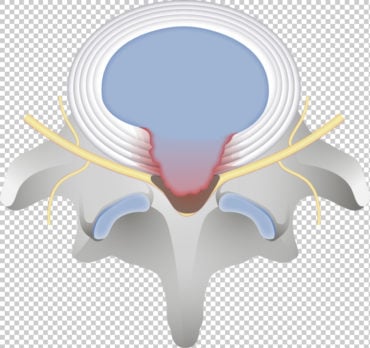
      Rare condition usually involving a large midline disk herniation that compresses several nerve roots, usually at L4-L5 level.
      • Leg pain, numbness, saddle anesthesia, bowel/bladder dysfunction and/or paralysis.
      • This is a surgical emergency requiring immediate referral.
    2. Epidural abscess

      Epidural abscess is a collection of pus in the spinal epidural space that can cause cord compression and permanent neurologic injury if not treated urgently.
      • Most common cause: Staphylococcus aureus (including MRSA)
      • Risk factors: IV drug use, recent spinal/epidural procedures, diabetes, immunosuppression, bacteremia
      • Classic triad (seen in <50%):
        • Fever
        • Localized back pain
        • Neurologic deficits (motor, sensory, bowel/bladder)
      • Progression may lead to paralysis
      Diagnosis:
      • MRI with contrast: Gold standard
      • ESR/CRP: Often markedly elevated
      • Blood cultures ± biopsy for organism ID
      Management:
      • Urgent surgery for neurologic symptoms
      • IV antibiotics: Start with vancomycin + ceftriaxone, adjust per cultures
      • Medical therapy may be an option in stable, neurologically intact patients with small abscesses
      • Complications: Paralysis, sepsis, chronic pain, death
    3. Spinal cord injuries

      Spinal cord injury (SCI) is damage to the spinal cord causing motor, sensory, and autonomic dysfunction, depending on the level and severity of injury.
      • Causes include trauma (MVA (most common), falls, sports, violence); less commonly tumors, infection, ischemia
      • Types:
        • Complete SCI: Total loss of function below injury
        • Incomplete SCI: Partial function preserved (e.g., anterior cord, central cord, Brown-Séquard)
      • Level-specific symptoms:
        • Cervical: Tetraplegia, possible respiratory failure
        • Thoracic/Lumbar: Paraplegia, bladder/bowel issues
        • Sacral: Bowel, bladder, sexual dysfunction
      • Spinal shock: Flaccid paralysis, areflexia, hypotension → later spasticity/hyperreflexia
      DX:
      • CT is the initial imaging modality of choice, providing detailed views of bony structures and alignment
      • MRI is best for cord injury (compression, edema, hemorrhage)
      • The severity of SCI is classified using the American Spinal Injury Association (ASIA) Impairment Scale, ranging from A (complete) to E (normal)
      TX:
      • Immobilize and secure the airway in trauma
      • Steroids are NOT routinely recommended
      • Surgery (within 24 hours) for unstable fractures, hematoma, or cord compression
      • Mean arterial pressure should be maintained at 85-90 mmHg for the first 5-7 days
      • Supportive care to prevent ulcers, DVT, infections; manage bladder/bowel
      • Physical and occupational therapy are crucial
  16. Other Neurologic Disorders (BONUS)

    1. Altered level of consciousness (ReelDx)

      1. Eye opening:
      • 4- spontaneous
      • 3- voice
      •  2-pain
      • 1-none
      2. Verbal:
      • 5-oriented
      • 4-confused
      • 3-inappropriate words
      • 2-incomprehensible
      • 1-none
      3. Motor:
      • 6-obeys commands
      • 5-localizes pain
      • 4-withdraws
      • 3-abnormal flexion (decorticate)
      • 2-abnormal extension (decerebrate)
      • 1-none
      Scoring
      • Maximum score is 15 which has the best prognosis
      • Minimum score is 3 which has the worst prognosis
      • Less than 9 is a coma
    2. Carpal Tunnel Syndrome (ReelDx + Lecture)

      Caused by a compression of the median nerve in the carpal tunnel
      • Pain with numbness and tingling into the hand, sometimes worse at night
      • + Phalen (pushing backs of hands together) and + Tinel test (tapping over nerve) 
      • EMG studies and nerve conduction studies
      • Treat with a volar splint, NSAIDs, corticosteroid injections, and carpal tunnel surgery in refractory cases

Have you tried the NEW Smarty PANCE QBANK? It's FREE with EVERY membership purchase 😀!

X