

Congratulations - you have completed Academy (Exam 3).
You scored %%SCORE%% out of %%TOTAL%%.
Your performance has been rated as %%RATING%%
%%FORM%%
Have Your Exam Results Emailed to You
Enter your name and email address below to have your results as well as the test questions, your answers and the correct answers delivered to your inbox.
Your answers are highlighted below.
Question 1 |
In adults and intravenous drug abusers, which of the following bones is most commonly affected with acute osteomyelitis?
Femur Hint: Long bones are most commonly affected with osteomyelitis in children. | |
Humerus Hint: See answer for explanation | |
Vertebral spine | |
Tibia Hint: See answer for explanation |
Question 1 Explanation:
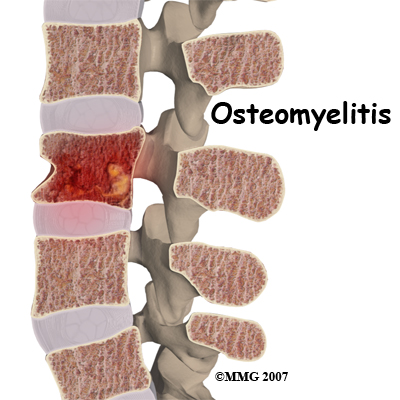 The bones of the vertebral spine are most commonly affected in a patient with osteomyelitis. Organisms reach the well-perfused vertebral body of adults via spinal arteries and quickly spread from the end plate into the disk space and then to the adjacent vertebral body. The infection may originate in the urinary tract and intravenous drug use carries an increased risk of spinal infection
Question 2 |
Treatment of the patient with Pediculosis pubis consists of which of the following?
Permethrin (Nix) cream | |
Clotrimazole (Gyne-Lotrimin) Hint: Clotrimazole is an antifungal agent and is not used to treat parasitic infestation. | |
Podofilox (Condylox) solution Hint: Podofilox 0.5% solution is used to treat Condyloma accuminata | |
Selenium sulfide (Selsun) suspension Hint: Selenium sulfide suspension is used to treat Tinea versicolor fungal infection. | |
Mayonnaise Hint: See answer for explanation |
Question 2 Explanation:
Permethrin 1% cream/shampoo is used to kill the louse and remove the eggs from the hair shafts. And yes, mayonaise does work
Question 3 |
A 64-year-old woman presents to the ED with complaints of left-sided headache, low-grade fever, malaise, pain with chewing, and decreased vision in her left eye. Which of the following would be the most appropriate measure in managing this patient?
aspirin therapy Hint: Nonsteroidal anti-inflammatory drugs (NSAIDs) are indicated for tension headaches | |
lumbar puncture Hint: Lumbar puncture would be an appropriate intervention if meningitis was suspected. | |
muscle relaxants | |
intravenous steroids | |
oxygen (O 2) therapy Hint: Oxygen therapy is a customary intervention for treating cluster headaches. |
Question 3 Explanation:
The patient in this scenario has clinical signs and symptoms associated with temporal arteritis or giant cell arteritis. The most appropriate course of action is to treat with intravenous steroids and obtain ophthalmology consultation when a patient has visual loss.
Question 4 |
Which of the following is considered the most specific myocardial injury enzyme marker?
CK-MB | |
myoglobin Hint: Troponin T and serum myoglobin have a very high sensitivity, but the specificity is poor with regard to myocardial injury | |
troponin I | |
troponin T Hint: Troponin T and serum myoglobin have a very high sensitivity, but the specificity is poor with regard to myocardial injury | |
lactate dehydrogenase (LDH) |
Question 5 |
A 43 year-old asymptomatic diabetic female is found to have an elevated total calcium level of 12.4 mg/dL. Which of the following tests must be assessed in order to evaluate this laboratory abnormality?
Intact parathyroid hormone Hint: Intact parathyroid hormone levels are only obtained for patients with true hypercalcemia with an unknown etiology. | |
Serum albumin | |
24 hour urine calcium level Hint: Demonstration of excessive calcium in the urine does not provide any additional information regarding the increased serum calcium. | |
Complete blood count Hint: Complete blood count has no relationship to the serum calcium levels. | |
Serum potassium |
Question 5 Explanation:
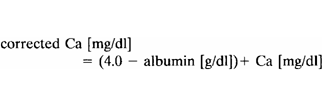
Since approximately 50% of calcium is protein bound, total calcium levels should be interpreted relative to albumin levels.
Question 6 |
Which of the following conditions would cause a positive Kussmaul's sign on physical examination?
Left ventricular failure Hint: Left ventricular failure results in the back-up of blood into the left atrium and then the pulmonary system so it would not be associated with Kussmaul's sign. | |
Pulmonary edema Hint: Pulmonary edema primarily results in increased pulmonary pressures rather than having effects on the venous inflow into the heart. | |
Coarctation of the aorta Hint: Coarctation of the aorta primarily affects outflow from the heart due to the stenosis resulting in delayed and decreased femoral pulses; it has no effect on causing Kussmaul's sign. | |
Constrictive pericarditis | |
Asthma |
Question 6 Explanation:
Kussmaul's sign (seen here) is an increase rather than the normal decrease in the CVP during inspiration. It is most often caused by severe right-sided heart failure; it is a frequent finding in patients with constrictive pericarditis or right ventricular infarction.
Question 7 |
Patient education for a 23 year-old using oral contraceptives should include which of the following?
Rifampin may decrease the effectiveness of the oral contraceptives. | |
Acetaminophen may decrease the effectiveness of the oral contraceptives. Hint: Acetaminophen levels or effects may be decreased by oral contraceptives. | |
Oral contraceptives may provide some protection from coronary artery disease. Hint: Coronary artery disease is a contraindication to the use of oral contraceptives. | |
Changing to the "minipill" (progestin only) will inhibit ovulation more consistently than combination oral
contraceptives. Hint: Progestin only oral contraceptives are less effective at inhibiting ovulation than the combination oral contraceptive. | |
Oral contraceptives have a 35 percent failure rate Hint: Typical use failure rate: 6%. |
Question 7 Explanation:
Rifampin may interfere with the efficacy of the oral contraceptives. Learn More
Question 8 |
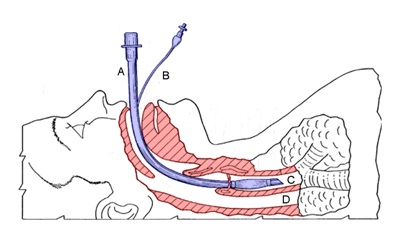 The most reliable clinical assessment tool to confirm endotracheal intubation is which of the following?
endotracheal tube condensation Hint: Condensation in the tube can be an unreliable indicator of proper endotracheal tube placement. | |
symmetrical chest expansion | |
breath sounds auscultated equally over the chest Hint: Auscultation of the chest and epigastric areas may reveal transmitted sounds from the endotracheal tube in the stomach. | |
no breath sounds auscultated over the stomach | |
use of a carbon dioxide (CO 2) detection device |
Question 8 Explanation:
Direct visualization of the endotracheal tube passing through the vocal cords is the most reliable indicator for endotracheal tube placement. The next most reliable is an end CO2 device .
Question 9 |
A 42-year-old woman was brought to the ED from a psychiatric facility for an evaluation following a brief “seizure.” The psychiatric staff reports that she has been confused and complaining of thirst for the past 5 days. What is the most likely diagnosis?
idiopathic hypoglycemia Hint: see answer for explanation | |
psychogenic polydipsia | |
brain tumor Hint: see answer for explanation | |
new-onset epilepsy Hint: see answer for explanation | |
psychogenic cerebritis Hint: see answer for explanation |
Question 9 Explanation:
In this scenario, the patient's sodium level dropped severely and rapidly secondary to excessive water intake. In this setting, patients may present with confusion, muscle cramps, lethargy, anorexia, nausea, seizures, and coma. Other causes of euvolemic hyponatremia include syndrome of inappropriate secretion of antidiuretic hormone (SIADH), renal failure, glucocorticoid deficiency (hypopituitarism), hypothyroidism, and multiple medications such as thiazide diuretics. Learn more
Question 10 |
A 59-year-old cancer patient presents to the ED with fever, pneumonia, hypotension, and tachycardia. Investigative studies include hyper-kalemia, hyponatremia, and hypoglycemia. What is the most likely concomitant diagnosis in this scenario?
adrenal insufficiency | |
syndrome of inappropriate antidiuretic hormone (SIADH) Hint: SIADH is a syndrome of antidiuretic hormone (ADH) excess, which causes water retention and sodium loss. Common causes of SIADH include malignant tumors, intracranial hemorrhage, hydrocephalus , meningitis, brain abscess, chlorpropamide, thiazide diuretics, desmopressin, and chemotherapeutic agents. Laboratory values of SIADH include hyponatremia, urinary osmolarity greater than serum osmolarity, and urinary sodium level usually higher than 30 mEq/ L. | |
Cushing syndrome Hint: Cushing syndrome is characterized by glucocorticoid excess secondary to exaggerated adrenal cortisol production or chronic glucocorticoid therapy. Causes of primary glucocorticoid excess include idiopathic, tuberculosis, fungal infections, adrenal hemorrhage, congenital adrenal hyperplasia, sarcoidosis, amyloidosis, HIV/ AIDS, and metastatic diseases. Common laboratory results include hypokalemia, hypochloremia, metabolic alkalosis, hyperglycemia, and hypercholesterolemia. | |
hypothyroidism Hint: Primary hypothyroidism (ie, thyroid gland dysfunction) causes most cases of hypothyroidism. Secondary hypothyroidism includes pituitary dysfunction, postpartum necrosis, neoplasm, and infiltrative diseases causing a deficiency of thyroid-stimulating hormone (TSH or thyrotropin). Tertiary causes of hypothyroidism include hypothalamic diseases such as granuloma, neoplasm, or irradiation causing deficiency of thyroid releasing hormone. Common laboratory results of hypothyroidism are increased TSH, hyponatremia, increased cholesterol triglycerides, and liver function tests. | |
hyperparathyroidism Hint: Primary hyperparathyroidism is the result of oversecretion of PTH, which in turn causes hypercalcemia. A parathyroid adenoma is the primary etiology of hyperparathyroidism . Laboratory findings include hypercalcemia, hypophosphatemia, hyperchloremia, elevated serum alkaline phosphatase level, and hypercalcuria |
Question 10 Explanation:
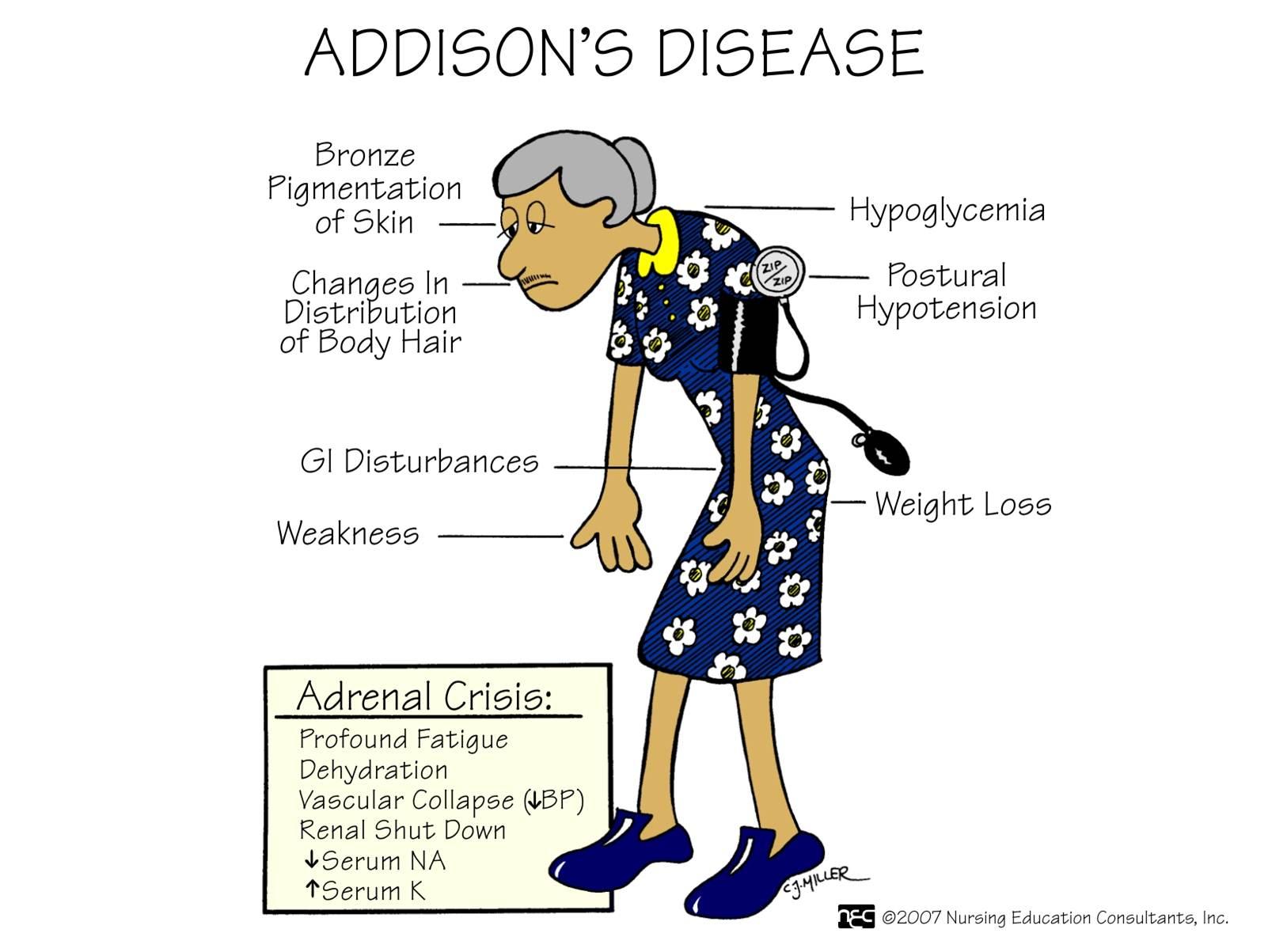 Primary adrenocortical insufficiency (Addison disease) is characterized by inadequate secretion of cortisol, aldosterone, or both most frequently resulting from autoimmune-induced destruction of the adrenal glands. Other causes of Addison disease include tuberculosis, viral infections, carcinomatous destruction of the adrenals, adrenal infarction from arteritis or thrombosis, and adrenal hemorrhage. Laboratory results characteristically include hyperkalemia, hyponatremia, hypochloremia, hypoglycemia, elevated BUN/ creatinine ratio (prerenal azotemia), anemia, decreased 24-hour urinary cortisol, 17-hydroxycorticosteroid, and 17-ketosteroids and increased ACTH (adrenocorticotropic hormone; primary adrenocortical insufficiency).
 Question 11 |
When performing a rectal examination, prostatic massage is contraindicated in
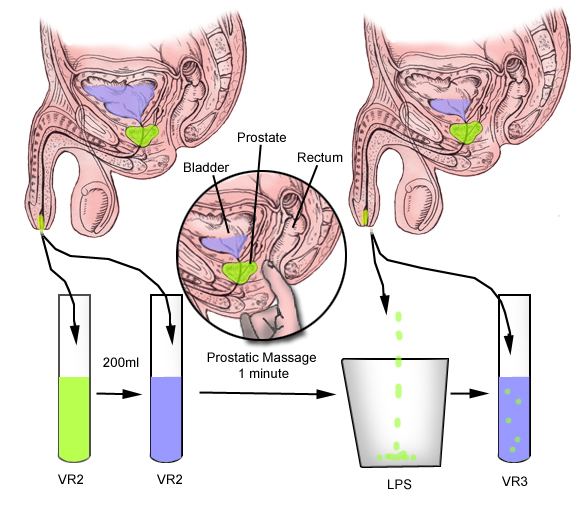
acute bacterial prostatitis. | |
chronic bacterial prostatitis. Hint: Prostate massage can be performed in the absence of fever. Expressed prostatic secretions are cultured to help identify the organism. | |
nonbacterial prostatitis. Hint: Nonbacterial prostatitis is similar to chronic bacterial prostatitis, but no bacteria are cultured, and the cause may be unknown. | |
prostatodynia. Hint: Prostatodynia is a noninflammatory disorder involving voiding dysfunction and pelvic floor musculature dysfunction. There is no bacterial involvement. |
Question 11 Explanation:
Vigorous manipulation of the prostate during rectal examination may result in septicemia. This is contraindicated in the presence of fever, irritative voiding symptoms, and perineal/sacral pain.
Question 12 |
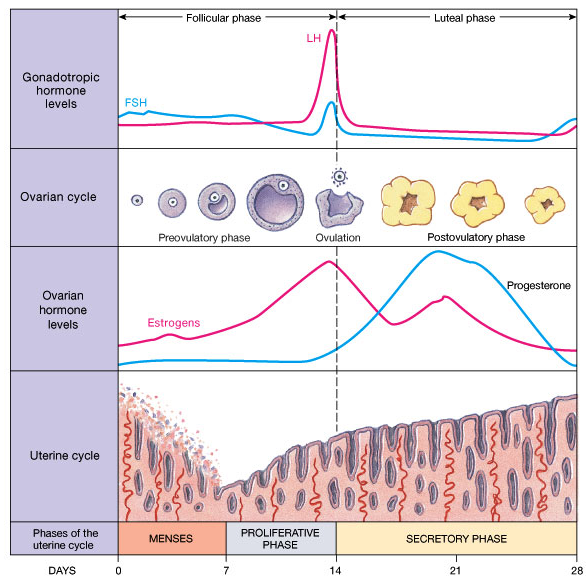
If a woman has a normal 28-day menstrual cycle what tissue and hormonal phase occurs during the last 14 days?
Proliferative follicular phase under the influence of estrogen. | |
Secretory luteal phase under the influence of estrogen and progesterone. | |
Proliferative follicular phase under the influence of estrogen and progesterone. | |
Secretory luteal phase under the influence of estrogen. |
Question 12 Explanation:
The endometrial changes seen in the latter half of the cycle are under the influence of both estrogen and progesterone from the corpus luteum. During this phase, the endometrium becomes more vascularized and slightly edematous.
Question 13 |
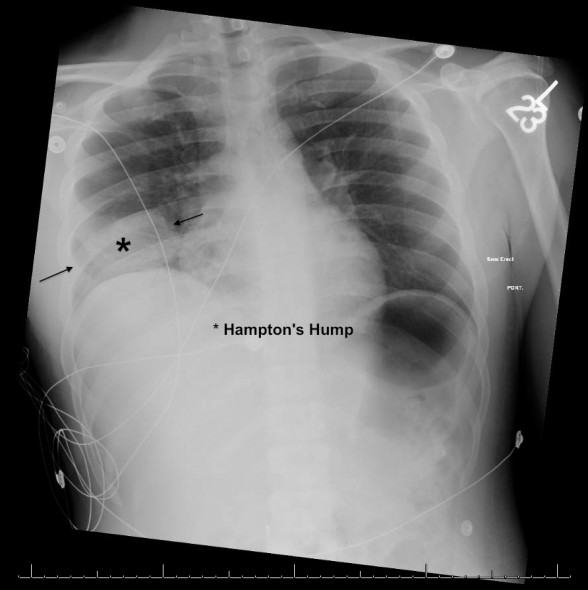
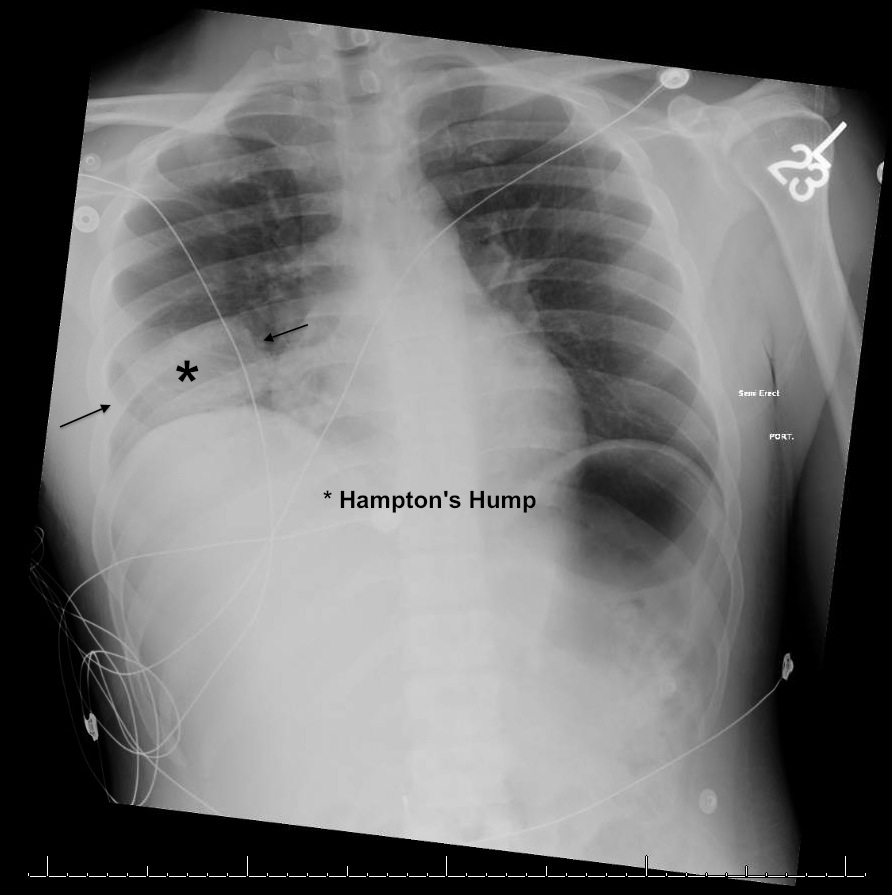
Which of the following best defines the peripheral wedge-shaped consolidation on the pleural surface observed in a patient with a pulmonary embolism?
Hampton hump | |
pleural effusion | |
atelectatic lesion | |
Westermark sign Hint: A Westermark sign is a regional area of decreased pulmonary vascularity. | |
reticular pattern |
Question 13 Explanation:
A Hampton hump generally represents a focal area of hemorrhage within the lung or an actual pulmonary infarction. It is a wedge-shaped, dense, consolidated area on the pleural surface of the chest wall. Other more common findings of pulmonary embolism on a chest radiograph include atelectasis, elevated hemidiaphragm, patchy consolidation, and pleural effusions.
Question 14 |
The drug of choice for treating hypertensive encephalopathy in the nonpregnant patient is
sodium nitroprusside | |
labetalol Hint: Labetalol is an excellent drug for hypertensive emergencies. It is a competitive, selective alpha - 1-blocker and a competitive, nonselective β-blocker, with the β-blocking action four to eight times that of alpha blocking. | |
esmolol Hint: Esmolol is an ultrashort-acting β 1 selective adrenergic blocker with rapid distribution and elimination. | |
IV nitroglycerin Hint: Nitroglycerin causes both arterial and venous dilation, with a greater effect on the venous system. The onset of action with nitroglycerin is almost immediate when given IV, and the half-life is 4 minutes. | |
hydralazine Hint: Hydralazine is a direct arterial dilator, with the onset of action within 10 minutes when given IV and duration of action 4 to 6 hours.
|
Question 14 Explanation:
Most of the medications listed are a good option for hypertensive emergencies . Sodium nitroprusside is the most widely used/ available, is a rapidly acting arterial and venous dilator, and is the drug of choice for most hypertensive emergences unless there is severe kidney disease. Read More
Question 15 |
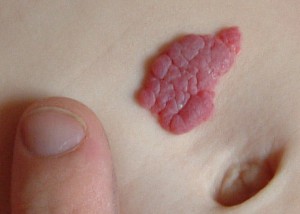 A mother brings a 3 month-old infant to the office because she is concerned about a red, vascular, nodular growth on the child's back. It appears to be enlarging slightly and the vessels are slightly dilated. It seems to cause the child no discomfort. The most likely diagnosis is
a hemangioma. | |
a pigmented nevus. Hint: A pigmented nevus is not a vascular lesion. | |
a salmon patch (stork bite). Hint: A salmon patch is a light red macule over the nape of the neck or the glabella. | |
a malignant melanoma. Hint: A malignant melanoma presents as a hyperpigmented, asymmetric lesion with irregular borders and is typically seen in the adult population. | |
acanthosis nigricans Hint: Acanthosis nigricans is a skin disorder in which there is darker, thick, velvety skin in body folds and creases. |
Question 15 Explanation:
A hemangioma is a bright red to deep purple vascular nodule or plaque that often develops at birth, may enlarge, and may regress and disappear with aging.
Question 16 |
An 18 year-old female presents with a sore throat for nearly two weeks. She complains of fatigue and a low-grade fever. On physical examination, there is cervical, axillary, and inguinal lymphadenopathy, and mild splenomegaly. On review of the blood smear, which of the following would be expected?
Atypical lymphocytes | |
Hypersegmented neutrophils Hint: Hypersegmented neutrophils are seen in vitamin B12 deficiency. | |
Hypochromic red blood cells Hint: Anemia, if seen in mononucleosis, is normocytic and normochromic. | |
Schistocytes Hint: Schistocytes are noted in hemolytic anemias. |
Question 16 Explanation:
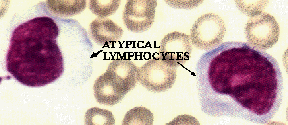 The hallmark of infectious mononucleosis is the presence of lymphocytosis with atypical large lymphocytes seen in the blood smear. These are larger than normal mature lymphocytes, stain more darkly, and frequently show vacuolated, foamy cytoplasm, and dark chromatin in the nucleus.
Question 17 |
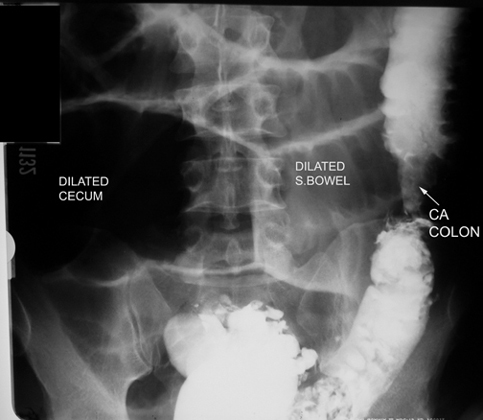
An 88-year -old female patient from a nursing home presents to the ED with abdominal pain and distention. The abdominal radiograph demonstrates multiple air-fluid levels and dilated large bowel loops consistent with a large bowel obstruction (LBO). What is the most likely cause of the obstruction?
diverticulitis Hint: Diverticulitis can also cause LBOs, and patients often give a history of intermittent left lower quadrant pain. | |
abdominal wall hernias | |
sigmoid volvulus Hint: Sigmoid volvulus is a less common cause of LBO. It is seen most often in the elderly with poor bowel habits and chronic constipation. | |
carcinoma | |
adhesions |
Question 17 Explanation:
Carcinoma of the colon is the most common cause of LBOs in adults.
Question 18 |
Which of the following increases the risk of developing testicular cancer?
Low socioeconomic status Hint: High socioeconomic status, not low, is a risk factor. | |
History of cryptorchidism | |
Multiple episodes of epididymitis Hint: Multiple episodes of epididymitis are unrelated to the development of testicular cancer. | |
Being of African-American ethnicity Hint: The incidence of testicular cancer is much lower in African-American men than in Caucasian men. | |
Multiple Sexual Partners Hint: There is no correlation between the number of sexual partners someone has had and testicular cancer. |
Question 18 Explanation:
The major predisposing risk factor is cryptorchidism unrepaired until after age two.
Question 19 |
A 17 year-old patient presents to the emergency department with agitation and hallucinations, and has one seizure. He admits to using "some drugs" but does not know what they were. On physical examination, temperature is 103 degrees F, BP 140/90, pulse 120, respirations 20. Remainder of the examination is unremarkable. Which of the following diagnostic studies will be of most help in managing this patient?
Drug screen Hint: Although a drug screen may identify specific drugs, the results will not alter the care of this patient. | |
Urine dipstick Hint: Urine dipstick is not sensitive for myoglobinuria. | |
Complete blood count Hint: This patient is at risk for myoglobinuria, and a complete blood count will not alter the treatment. | |
Serum creatinine kinase | |
TSH Hint: see answer for explanation |
Question 19 Explanation:
Serum creatinine kinase is the most sensitive test to detect rhabdomyolysis, a serious complication of seizures and hyperthermia related to drug abuse. Learn More
Question 20 |
The most immediate management priority in a patient with septic shock is:
empiric antimicrobial therapy Hint: Other important areas of assessment and management include acid– base status and antimicrobial therapy. | |
inotropic support Hint: see answer for explanation | |
oxygenation and ventilation | |
fluid therapy Hint: Fluid resuscitation is the second priority in the patient with septic shock. Tissue and organ perfusion can be assessed by parameters such as the patient's mental status, blood pressure, respiratory rate, pulse rate, skin color and temperature, central venous pressure, and urine output more than 30 mL/ h (1 mL/ kg/ h in pediatric patients). | |
acid– base status Hint: Other important areas of assessment and management include acid– base status and antimicrobial therapy.
|
Question 20 Explanation:
The first priority in the management of septic shock is assessment of the airway, oxygenation, and ventilation. Oxygen should be administered at 100% via mask or endotracheal tube. Learn More
Question 21 |
Which of the following is the most common etiology of upper gastrointestinal (GI) bleeding?
diverticulosis Hint: see answer for explanation | |
erosive gastritis Hint: see answer for explanation | |
Mallory– Weiss syndrome Hint: Recurrent episodes of retching can cause longitudinal tears in the cardioesophageal portion of the stomach. GI bleeding associated with this tear is known as Mallory– Weiss syndrome. | |
peptic ulcer disease | |
inflammatory bowel disease Hint: see answer for explanation |
Question 21 Explanation:
The most common etiology of upper GI bleeding (60%) is peptic ulcer disease. This includes gastric, duodenal, and stomal ulcers. Diverticular bleeding usually results from erosion into a penetrating artery of the diverticulum. The GI bleeding associated with diverticular bleeding is usually painless and profuse. Learn More
Question 22 |
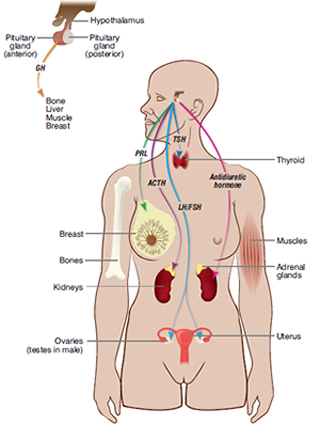
A 64 year-old male presents complaining of new onset of fatigue, weight gain, constipation, erectile dysfunction, and loss of body hair. Laboratory investigation demonstrates: TSH less than 0.5 microunits/mL (normal range 0.5-5.0 microU/mL); Thyroxine (T4) 2 mcg/dL (normal range 5-12 mcg/dL); Prolactin 10 nanograms/ml
Primary hypothyroidism Hint: Primary hypothyroidism is usually associated with an elevated TSH. | |
Excessive dosing of levothyroxine (Synthroid) Hint: Excessive replacement of levothyroxine would result in symptoms of hyperthyroidism, not hypopituitarism | |
Hypopituitarism | |
Subacute thyroiditis Hint: The T4 level would be elevated in subacute thyroiditis due to excessive release of thyroid hormone. | |
Primary hyperthyroidism Hint: Primary hypothyroidism is usually associated with an elevated T4. |
Question 22 Explanation:
The low trophic and target hormone levels combined with symptoms of hypogonadism indicate this patient has hypopituitarism.
 Learn More
Learn MoreQuestion 23 |
Which of the following is the most likely underlying source of an adult food bolus impaction?
angiodysplasia | |
bezoars | |
Boerhaave syndrome | |
Mallory– Weiss syndrome | |
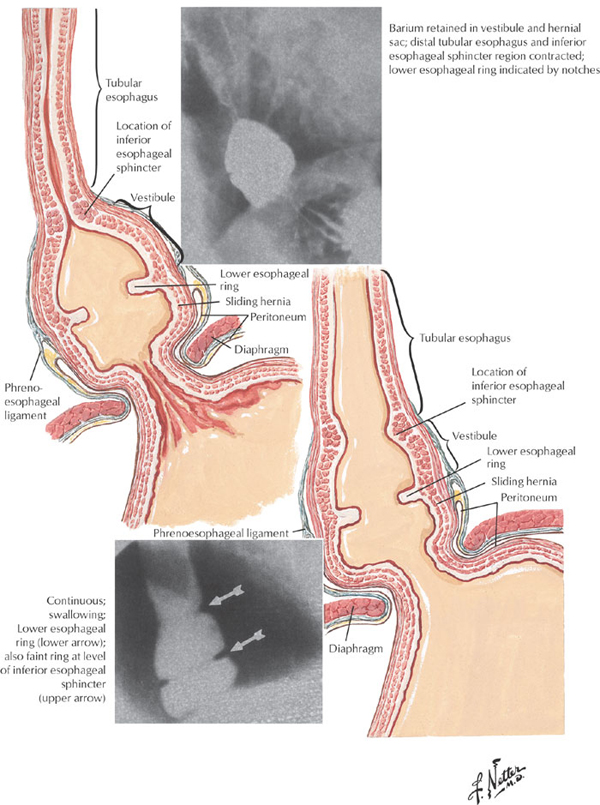
Schatzki ring
|
Question 23 Explanation:
Partially chewed meat and esophageal abnormalities such as strictures, esophageal spasms, and Schatzki rings are commonly implicated in adult food bolus impactions.
Question 24 |
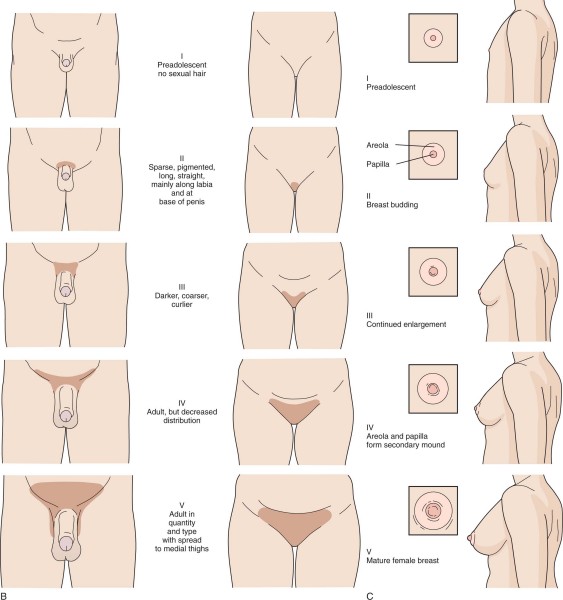
A routine physical examination of a 12-year -old girl demonstrates dark, coarse, curly pubic hair spread sparsely over the pubic symphysis, as well as elevation of the breast and areola without separation of their contours. According to Tanner stages of sexual maturation, at what stage would you assess her sexual maturity?
Tanner Stage II Hint: See answer for explanation | |
Tanner Stage III | |
Tanner Stage IV Hint: See answer for explanation | |
Tanner Stage V Hint: See answer for explanation | |
Tanner Stage I Hint: See answer for explanation |
Question 24 Explanation:
Tanner stages of sexual maturation categorize the progression of pubertal development in girls according to pubic hair and breast development. Menarche usually occurs 18 to 24 months following the onset of breast development. In female breast development , Tanner Stage I is an absence of breast development; Stage II is a small, raised breast bud; Stage III shows further enlargement/ elevation of breast and alveolar tissue; Stage IV is the areola and papilla forming a secondary mound on breast contour; and Stage V is the mature breast with alveolar area as part of the breast contour. For the stages of pubic hair development, Stage I is prepubertal, an absence of hair; Stage II shows sparse, fine hair, primarily on the border of labia; Stage III is pigmented and curly and increases in quantity on the mons pubis; Stage IV is increased quantity of coarser texture with labia and mons pubis well covered; and Stage V is mature adult distribution with spreading to medial thighs.
Question 25 |
In a patient who has newly diagnosed Hemophilia B, which of the following laboratory results would be expected on a coagulation panel?
Increased aPTT (activated partial thromboplastin time), normal PT (prothrombin time), factor VIII deficiency | |
+ von Willebrand factor, decreased aPTT, and increased PT | |
Increased PT, increased bleeding time, decreased platelets, decreased fibrinogen | |
Increased aPTT, normal PT, normal thrombin time |
Question 25 Explanation:
Hemophilia B, also known as Christmas disease and factor IX deficiency. Factor IX is activated on the intrinsic side of the coagulation cascade right before the common pathway and the result is an increased aPTT, with a normal prothrombin time, thrombin time, and INR. It does not affect platelets nor bleeding time. Learn More
Question 26 |
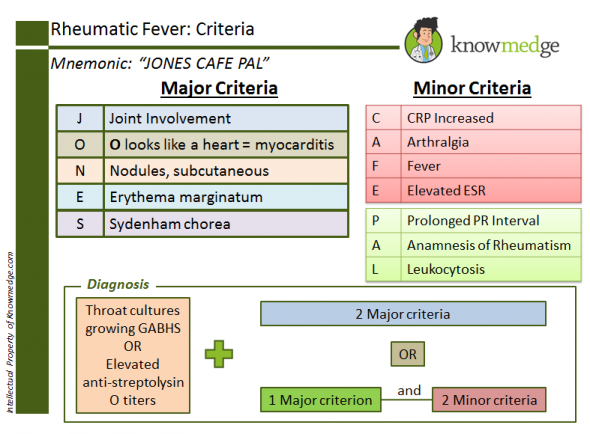
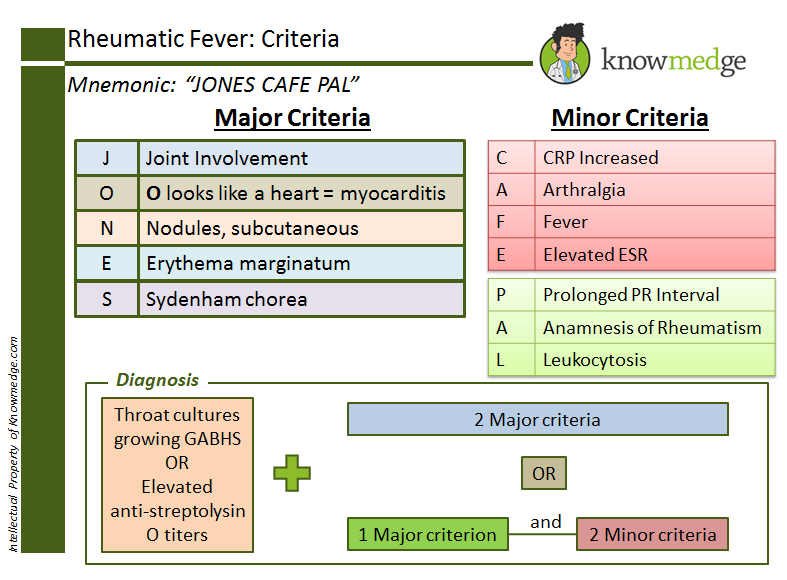
Three weeks ago, an 8-year-old child was diagnosed with Streptococcal pharyngitis based upon a positive throat culture for group A beta-hemolytic streptococcus. Today, she returns to the clinic with evidence of carditis. The differential diagnosis includes rheumatic fever. What additional finding would allow you to make the diagnosis of rheumatic fever based upon the modified Jones criteria?
leukocytosis Hint: See answer for explanation | |
polyarthritis | |
elevated erythrocyte sedimentation rate (ESR) Hint: See answer for explanation | |
erythema multiforme Hint: See answer for explanation |
Question 26 Explanation:
The diagnosis of rheumatic fever is based on clinical grounds using the modified Jones criteria. Two major manifestations or one major and two minor manifestations in addition to supporting evidence of a preceding streptococcal infection are needed to make the diagnosis of rheumatic fever. The major manifestations are polyarthritis, carditis, erythema marginatum, subcutaneous nodules, and Sydenham chorea. The minor manifestations are fever, arthralgia, previous rheumatic fever or rheumatic heart disease, an elevated sedimentation rate or C-reactive protein, and a prolonged P–R interval . The supporting evidence of a preceding streptococcal infection includes elevated titers of antistreptolysin O or other streptococcal antibodies and positive throat culture for group A beta-hemolytic streptococcus.
Question 27 |
An 18 year-old woman presents to the clinic complaining of fatigue. She reports a past history of lifelong frequent nosebleeds and bleeding gums. She also has menorrhagia. Her mother and maternal grandfather have a similar bleeding history. Initial lab results are as follows: WBC 9,500/mm3, Hgb 10.9 g/dL, HCT 33%, MCV 69 fL, MCHC 26 pg and platelets 284,000/mm3. Which of the following tests should be ordered to evaluate this patient's diagnosis?
Hemoglobin electrophoresis Hint: Hemoglobin electrophoresis would be utilized to evaluate microcytic, hypochromic anemias | |
Bleeding time and platelet aggregometry | |
Peripheral Smear | |
Bone marrow aspiration Hint: Bone marrow aspiration is not utilized in the evaluation of qualitative platelet disorders. | |
PT and aPTT Hint: A PT and aPTT would be utilized to evaluate for bleeding consistent with abnormalities with the coagulation cascade. |
Question 27 Explanation:
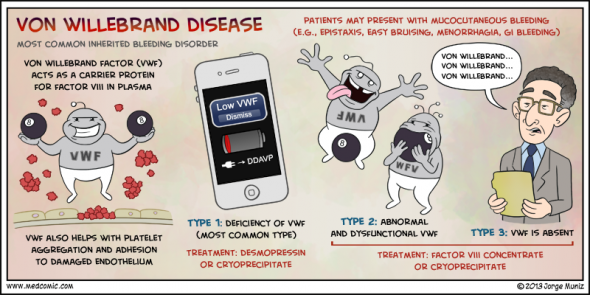
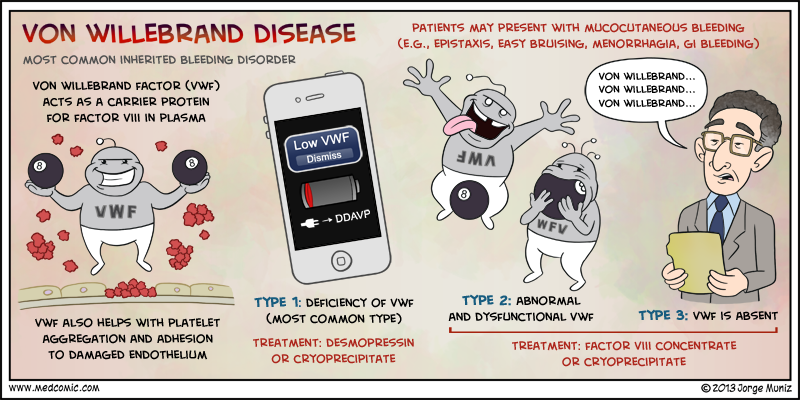
The patient's presentation is consistent with a congential qualitative platelet disorder, most likely von Willebrand's Disease, necessitating a bleeding time and evaluation of platelet function.
Question 28 |
A 35 year-old patient has recurrent seasonal rhinitis and a history of mild asthma. Which of the following should be included for first-line management?
Immunotherapy Hint: Immunotherapy (desensitization) is indicated as a last resort in patients who fail to either respond to pharmaceutical management or face prolonged exposure to known allergens. | |
Decongestants Hint: Decongestants have a limited role in helping to decrease edema, and are generally ineffective in relieving allergic symptoms. | |
Singulair | |
Corticosteroid inhalers | |
Cromolyn sodium (Intal) Hint: Cromolyn sodium has been found to be moderately effective for some patients with allergic symptoms, but it is not usually first-line management. |
Question 28 Explanation:
Regular use of corticosteroid nasal spray and oral inhalers prior to the allergy season is among the best means of preventing allergies.
Question 29 |
Small grayish vesicles and punched-out ulcers in the posterior pharynx in a child with pharyngitis is representative of which organism?
Epstein-Barr virus Hint: Epstein-Barr virus presents with enlarged tonsils with exudates and petechiae of the palate. | |
Group C Streptococcus Hint: Group C Streptococcus presents with a red pharynx and enlarged tonsils with a yellow, blood tinged exudates | |
Coxsackievirus | |
Gonorrhea Hint: Neisseria gonorrhea of the pharynx may be asymptomatic | |
Rotovirus |
Question 29 Explanation:
 Coxsackievirus presents with small grayish vesicles and punched-out ulcers in the posterior pharynx.
Question 30 |
A 33-year-old healthy woman during a routine physical examination 3 months ago was found to be hypertensive with a blood pressure of 150/ 98 mm Hg. She has no family history of hypertension but her provider was concerned, so she was started on an angiotensin-converting enzyme (ACE) inhibitor. Her blood pressure improved slightly but on a routine blood draw her creatinine was noted to be 2.3. She is asymptomatic but is noted to have an abdominal bruit. Based on her history and laboratory evaluation, which of the following is her most likely diagnosis?
essential hypertension Hint: Essential hypertension usually responds to medication and is more likely to be diagnosed in a patient who is older. | |
isolated systolic hypertension Hint: Isolated systolic hypertension is defined as a systolic blood pressure of greater than 140 mm Hg but a diastolic blood pressure of less than 90 mm Hg. | |
secondary hypertension | |
pheochromocytoma Hint: Pheochromocytomas are not associated with an abdominal bruit.
|
Question 30 Explanation:
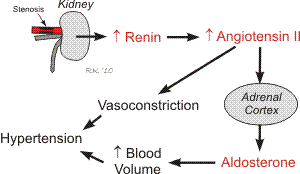 This patient likely has renovascular disease , which is responsible for her secondary hypertension. Patients with renovascular stenosis have decreased blood flow to one kidney. This ischemic state initiates renin release, which increases the vascular tone in the remaining normal renal artery. Secondary hypertension is also associated with pheochromocytoma, but these patients generally have headaches, palpitations, anxiety attacks, and hyperglycemia as well.
Once you are finished, click the button below. Any items you have not completed will be marked incorrect.
There are 30 questions to complete.
|
List |