

Congratulations - you have completed Academy (Exam 4).
You scored %%SCORE%% out of %%TOTAL%%.
Your performance has been rated as %%RATING%%
%%FORM%%
Have Your Exam Results Emailed to You
Enter your name and email address below to have your results as well as the test questions, your answers and the correct answers delivered to your inbox.
Your answers are highlighted below.
Question 1 |
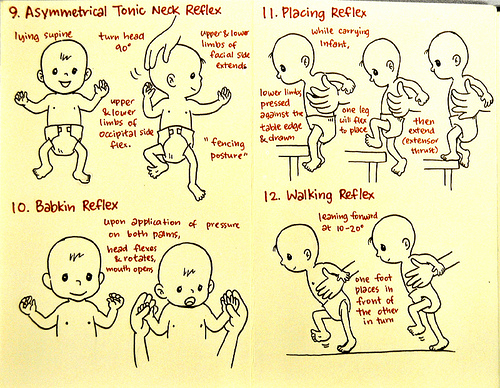
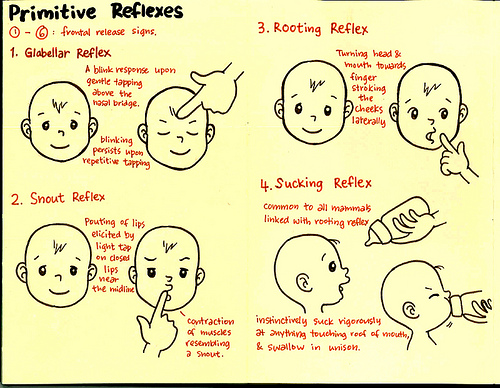
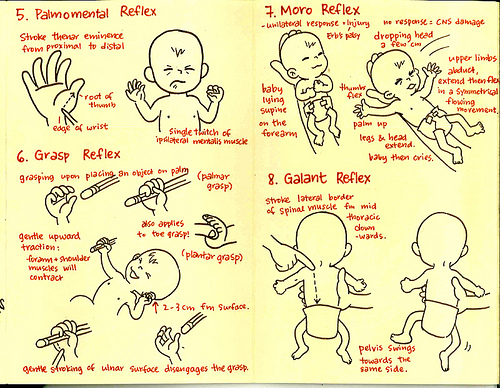
Which of the following primitive reflexes should begin to disappear at about 2 months of age in a normal infant?
Moro Hint: The Moro reflex starts to disappear at about 5-6 months of age. | |
Grasp Hint: The grasp reflex starts to disappear at about 2-3 months of age. | |
Tonic neck Hint: The tonic neck reflex starts to disappear at about 6-7 months of age. | |
Parachute Hint: The parachute reflex remains throughout life. | |
extrusion reflex |
Question 2 |
A 25-year-old nullipara presents for consultation because she suddenly stopped menstruating . On questioning her further it is found that she recently lost 19 lb after starting long-distance running. The MOST appropriate step in her evaluation is measurement of
serum thyroid stimulating hormone (TSH) concentration Hint: See answer for explanation | |
serum prolactin concentration Hint: See answer for explanation | |
human chorionic gonadotropin (hCG) concentration | |
serum estradiol-17b concentration Hint: See answer for explanation | |
serum testosterone concentration Hint: Ordering serum testosterone levels should only be considered if the patient has symptoms of PCOS or androgen excess. |
Question 2 Explanation:
Although exercise-induced secondary amenorrhea may seem apparent in this case, it is imperative that pregnancy is ruled out as a cause of the amenorrhea. All amenorrheic women of reproductive age should be assumed to be pregnant until proven otherwise. Therefore, an hCG test is indicated as a first step in the evaluation of this patient. Sudden weight loss and increased physical activity can cause secondary amenorrhea, as can hypothyroidism and hyperprolactinemia. If ordering serum estradiol concentrations, an FSH level should also be ordered. Serum estradiol levels alone are less useful than FSH in deciphering cause of amenorrhea. Decreased estradiol occurs with either hypothalamic–pituitary axis failure or ovarian failure. Decreased FSH indicates hypothalamic– pituitary axis failure whereas elevated FSH indicates ovarian failure.
Question 3 |
A man and woman in their 20's have been trying unsuccessfully to conceive for the last year. The woman has regular menses and a 28-day cycle. In the initial evaluation, which of the following tests or evaluations should be considered first-line?
semen analysis | |
postcoital testing Hint: Postcoital testing is longer recommended for the routine infertility evaluation because they have poor predictive value. | |
hysterosalpingogram Hint: Hysterosalpingography is an invasive procedure and therefore not first line in the evaluation. | |
endometrial biopsy
Hint: Endometrial biopsy is no longer recommended for the routine infertility evaluation because they have poor predictive value. |
Question 3 Explanation:
Generally, infertility is defined as the inability for a couple to conceive after reasonably frequent unprotected intercourse for 1 year. In approaching the diagnostic workup for infertility, with a thorough physical examination and history of both partners, the clinician should establish the following points:
- Does the woman ovulate? (if not, why not)
- Does the semen have normal characteristics?
- Is there a female reproductive tract abnormality? Noninvasive tests should be done the first line. For the male partner, semen analysis is noninvasive and helpful, though not diagnostic. In the initial evaluation of the female partner, noninvasive procedures, such as the measurement of LH and mid-luteal phase progesterone (to determine ovulatory function) and TVUS (to rule out the possibility of fibroids or polycystic ovaries), are first-line investigations. Pelvic ultrasound should also be part of the routine gynecologic evaluation because it allows a more precise evaluation of the position of the uterus within the pelvis and provides more information about its size and irregularities.
Question 4 |
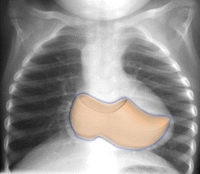 A 12 month-old child with tetralogy of Fallot is most likely to have which of the following clinical features? (Pearl - Tetrology of Fallot will demonstrate a "boot shaped heart")
Chest pain Hint: Chest pain is not a feature of tetralogy of Fallot. | |
Cyanosis | |
Convulsions Hint: Convulsions are occasionally seen as part of severe hypoxic spells in infancy rather than a feature of tetralogy of Fallot. | |
edema | |
Palpitations Hint: Palpitations are uncommon in tetralogy of Fallot. |
Question 4 Explanation:
Cyanosis is very common in tetralogy of Fallot.
Question 5 |
A 25 year-old presents with pain in the proximal ulna after falling directly on the forearm. X-ray shows fracture of the proximal 1/3rd of the ulna. There is an associated anterior radial head dislocation. What is the proper name for this condition?
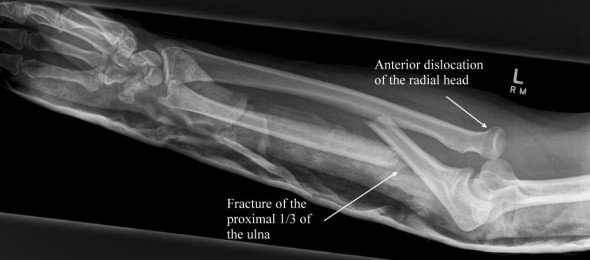
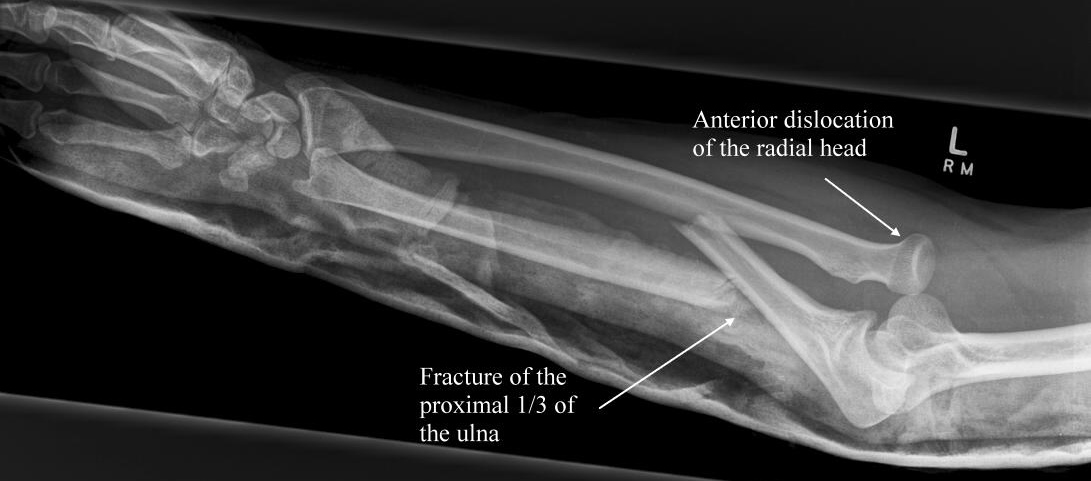
Galeazzi fracture Hint: A Galeazzi fracture is a fracture along the length of the radius with injury to the distal radioulnar joint. | |
Monteggia fracture | |
Colles' fracture | |
Smith fracture |
Question 6 |
A 20 year-old male presents with a mass in the groin. On examination with the patient standing, a mass is noted that extends into the scrotum. The patient denies any trauma. The most likely diagnosis is
an indirect inguinal hernia. | |
a direct inguinal hernia. Hint: A direct inguinal hernia is symmetrical, round and disappears easily with the patient lying down. It is the result of a weakness in the inguinal 3external ring. Hernial contents may radiate anteriorly rather than into the scrotum. | |
an obturator hernia Hint: Obturator hernia's are more commonly seen in elderly women and are rarely palpable in the groin. | |
a femoral hernia. Hint: Femoral hernias are rare in males and do not typically reduce with lying down. |
Question 6 Explanation:
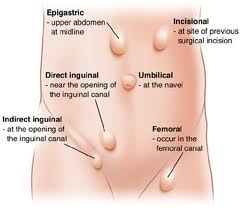 An indirect inguinal hernia is caused by a patent processus vaginalis and the hernial contents may be felt in the ipsilateral scrotum
Question 7 |
A 75-year-old female presents with medial knee pain that worsens with stair climbing. Physical examination reveals swelling and point tenderness inferior and medial to the patella and tenderness overlying the medial tibial plateau.
Which of the following is the most likely diagnosis?
Pes anserine bursitis | |
Prepatellar bursitis Hint: Prepatellar bursitis causes swelling in the prepatellar area and is worse with kneeling. The prepatellar bursa is superficial and is located over the inferior portion of the patella. | |
Infrapatellar bursitis Hint: The infrapatellar bursa is deeper and lies beneath the patellar ligament before its insertion on the tibial tubercle. It has a midline location rather than the medial surface as described in the question. | |
Trochanteric bursitis Hint: Trochanteric bursitis causes hip pain rather than knee pain. |
Question 7 Explanation:
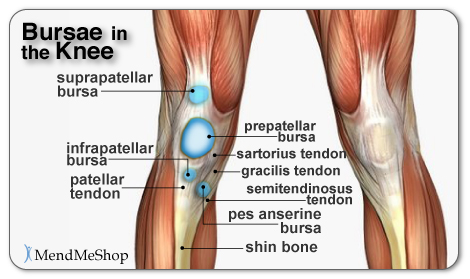 The pes anserine bursa underlies the semimembranosus tendon and may become inflamed or painful owing to trauma, overuse, or inflammation. It is a common cause of knee pain and it is often misdiagnosed in adults. Watch Video
 Question 8 |
Which of the following can be a very serious consequence of using antidiarrheals in a patient with inflammatory bowel disease?
Lymphoma Hint: There is suggestion that lymphoma may result from the use of infliximab, an anti-TNF agent, utilized in refractory cases of Crohn's disease; however a clear link between the development of lymphoma and the use of infliximab has not been established. | |
Toxic megacolon | |
Bone marrow suppression Hint: Bone marrow suppression is a side effect of methotrexate, which is being increasingly used in the treatment of Crohn's disease. | |
Delayed serum sickness-like reaction Hint: Delayed serum sickness-like reaction is another potential side effect of infliximab. |
Question 8 Explanation:
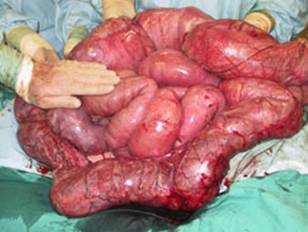 Antidiarrheals may cause the development of toxic megacolon when used by patients with active severe inflammatory bowel disease.
Question 9 |
Which complication can be found in anorexia nervosa and not bulimia?
salivary gland hypertrophy Hint: See answer for explanation | |
psychopathology Hint: See answer for explanation | |
petechial hemorrhages Hint: See answer for explanation | |
hypokalemia Hint: See answer for explanation | |
osteoporosis |
Question 9 Explanation:
Osteoporosis is found in anorexia nervosa due to a lack of calcium intake, decreased estrogen, and an increase in cortisol. Bulimia nervosa has multiple medical complications in the cardiovascular, dental, dermatologic, endocrine, gastrointestinal, and neurologic systems. There are also associated dehydration and electrolyte disorders. Salivary gland hypertrophy, reversible cerebral atrophy, petechial hemorrhages, and hypokalemia are all part of the complications.
Watch video explanation
Question 10 |
A patient presented to your office with multiple somatic complaints. During the mental status exam, you notice that the patient loses the thread of conversation and discusses irrelevant topics based on an external stimulus. The patient never gets back to the main point he or she was trying to express. What is this thought process called?
tangentiality | |
circumstantiality Hint: Circumstantiality is seen in someone who eventually gets to the point after a delay in the thought process. | |
looseness of association Hint: Looseness of association is when the ideas shift between subjects that are totally unrelated to each other. | |
word salad Hint: Word salad is a mixture of words and phrases that are incoherent. | |
neologisms Hint: Neologisms are the creation of new words. |
Question 10 Explanation:
Tangentiality is a disturbance in thought causing the person to start a train of thought, but never getting to the point.
Question 11 |
Erythema nodosum is characterized by
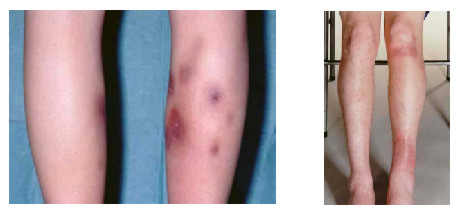
subcutaneous red tender nodules. | |
brown pigmentation on the lower extremities. Hint: Brown pigmentation on the lower extremities is a feature of chronic venous insufficiency | |
tender lymph nodes in the groin. Hint: Lymphovenereum granuloma is likely to produce tender lymph nodes in the groin as can acute infection in the lower extremities. | |
scaling red macules Hint: Scaling red macules are a feature of tinea corporis. |
Question 11 Explanation:
Erythema nodosum produces erythematous red tender nodules, especially on the shins
Question 12 |
Which of the following two causes of nontraumatic vaginal bleeding are seen MOST frequently in the adolescent and reproductive aged women?
pregnancy and coagulopathy Hint: See answer for explanation | |
thyroid dysfunction and anovulation Hint: See answer for explanation | |
exogenous hormone use and polyps Hint: See answer for explanation | |
anovulation and pregnancy |
Question 12 Explanation:
Anovulatory bleeding is seen in 10% to 15% of all gynecologic patients and is the most common cause of abnormal vaginal bleeding in adolescents. In perimenarchal adolescents , it is caused by an immature hypothalamic– pituitary– ovarian axis. The top five causes of vaginal bleeding in the adolescent are listed by frequency: anovulation, pregnancy , exogenous hormone use, and coagulopathy. The top six causes of vaginal bleeding in the reproductive-aged woman listed by frequency are pregnancy, anovulation, exogenous hormone use, uterine leiomyomas, cervical and endometrial polyps, and thyroid dysfunction. The top four causes of vaginal bleeding in perimenopausal women listed by frequency are anovulation, uterine leiomyomas, cervical and endometrial polyps, and thyroid dysfunction. The top four causes of vaginal bleeding in postmenopausal women listed by frequency are endometrial lesions, exogenous hormone use, atrophic vaginitis, and other tumors.
Question 13 |
Of the following ECG findings, which is most likely associated with hypokalemia?
shortened QT interval Hint: See answer for explanation | |
ST-segment elevation Hint: See answer for explanation | |
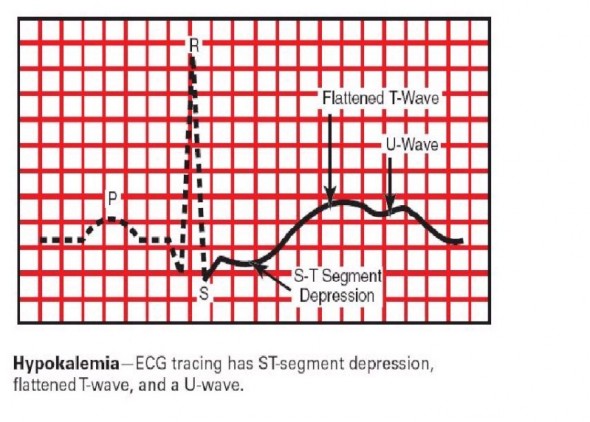
flattened T waves | |
prolonged PR interval Hint: See answer for explanation | |
tall-peaked T waves Hint: See answer for explanation |
Question 13 Explanation:
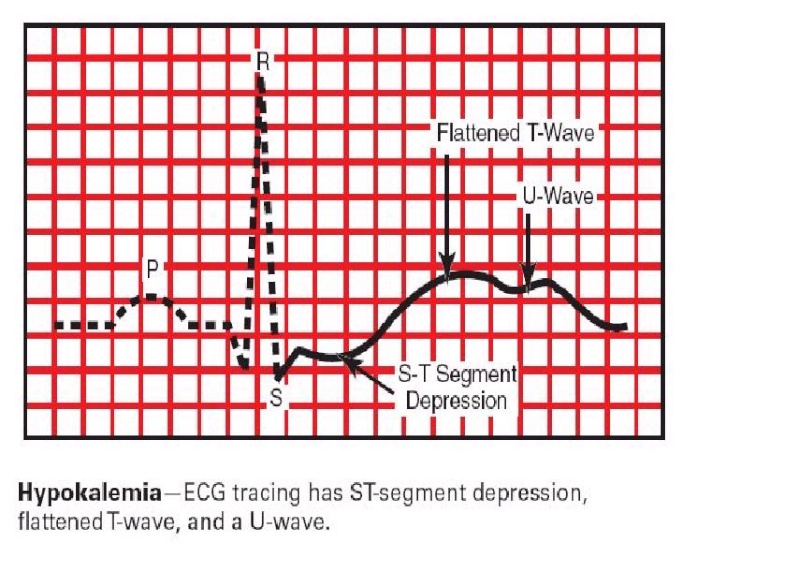
Hypokalemia is associated with serum potassium levels of less than 3.5 mEq/ L. The ECG findings of hypokalemia include the following: flattened T waves, U waves, and ST-segment depressions. Hyperkalemia relates to serum potassium levels of more than 5.5 mEq/ L. Serum potassium levels in the 6.5 to 7.5 mEq/ L typically result in tall peaked T waves and short QT interval. Prolonged PR interval is seen with 7.5 to 8.0 mEq/ L serum potassium level. QRS widening, flattening of the P wave, is associated with serum potassium levels of 10 to 12 mEq/ L— prolonged QT interval is also associated with hypocalcemia.
Question 14 |
A phobia is an excessive fear of an object or place that leads to or can be preceded by:
panic attack | |
depression Hint: See answer for explanation | |
hallucinations Hint: See answer for explanation | |
delusions Hint: See answer for explanation | |
confabulations Hint: See answer for explanation |
Question 14 Explanation:
Patients who have a phobia realize it is an irrational fear and try to avoid whatever they have the fear of. In attempts to avoid the “problem,” patients can develop anxiety or panic attacks.
Question 15 |
A 20-year-old nulligravida comes to your office complaining of pelvic pain and irregular menstrual bleeding. She denies sexual activity, and her β-hCG urine test is negative. She has never been on oral contraceptives. On pelvic examination, you find unilateral tenderness on the left side, and a palpable cystic mass approximately 4 to 5 cm in size. The MOST likely diagnosis is
ectopic pregnancy Hint: See answer for explanation | |
functional ovarian cyst | |
choriocarcinoma Hint: See answer for explanation | |
sarcoma Hint: See answer for explanation | |
molar pregnancy Hint: See answer for explanation |
Question 15 Explanation:
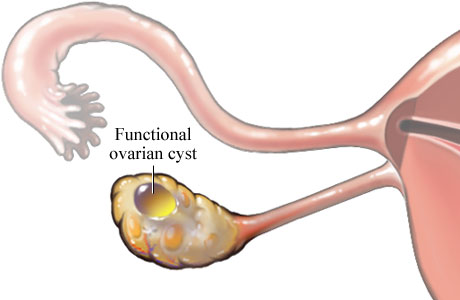 A functional ovarian cyst is a much more likely diagnosis than any of the others listed. A follicular cyst develops when an ovarian follicle fails to rupture. The granulosa cells lining the cyst continue to enlarge and fluid continues to accumulate. Symptoms associated with a functional ovarian cyst include mild to moderate unilateral pain and alteration in the menstrual cycle. On occasion, rupture of the follicular cyst causes acute pelvic pain and may need laparoscopic surgery for complete evaluation. In most cases, pain control for 4 to 5 days is what is indicated as well as the consideration of contraception to suppress future ovarian cyst formation.
 Question 16 |
A previously healthy 12-month-old infant has been coughing and experiencing fever on and off for 2 months. He was diagnosed and treated for pneumonia approximately 3 months ago. On physical examination, he is noted to be in no acute respiratory distress; however, he is tachypneic with bibasilar rales and scattered rhonchi. Which of the following is the MOST likely diagnosis?
bronchiectasis | |
chronic bronchitis Hint: Chronic bronchitis falls into the chronic obstructive pulmonary disease category typically seen in older adults and does not typically present with acute symptoms. | |
croup Hint: Croup is an inflammatory disease of the larynx most frequently affecting young children during the fall and early winter months. Typically, there is an upper respiratory tract prodrome followed by stridor and a “barky cough” in the absence of drooling. Subglottic narrowing with a normal epiglottis is diagnostic on a lateral neck X-ray. The most common pathogen is parainfluenza virus. | |
bronchopulmonary dysplasia
Hint: Bronchopulmonary dysplasia is most commonly seen in infants in the neonatal intensive care unit. It is a chronic condition seen in patients whose clinical course included hyaline membrane disease. These infants typically need oxygen for a few months as they grow and some need permanent tracheostomy and ventilation for up to 2 years . |
Question 16 Explanation:
Bronchiectasis, meaning “dilation of the bronchi,” results from destruction of the airway and poor drainage, often associated with cystic fibrosis, foreign body aspiration, or an infection. It is uncommon in the general population. The presentation may vary from a chronic productive cough to recurrent pneumonia with or without hemoptysis. Persistent rhonchi, rales, and decreased breath sounds are noted over the affected atelectatic area.
Watch video explanation
Question 17 |
Upon stroking of the lateral aspect of the sole from the heel to the ball of the foot, the great toe dorsiflexes and the other toes fan. This is a positive
Kernig's sign. Hint: Kernig's sign is positive when pain is noted on straightening the knee after flexing both the hip and knee. | |
Brudzinski's sign. Hint: Brudzinski's sign occurs with neck flexion resulting in resultant flexion of the hips. It is a sign of meningeal irritation | |
Babinski's sign | |
Gower's sign. Hint: A positive Gower's sign is noted in certain types of muscular dystrophy and is described as children rising to stand by rolling over prone and pushing off the floor with arms while the legs remain extended. |
Question 17 Explanation:
A Babinski test is performed by stroking the lateral aspect of the sole from the heel to the ball of the foot, the great toe dorsiflexes and the other toes fan in a positive test.
Watch video
Question 18 |
What is the hallmark of a manic episode?
hypersomnolence Hint: See answer for explanation | |
psychosis Hint: See answer for explanation | |
depression Hint: See answer for explanation | |
anxiety Hint: See answer for explanation | |
irritability |
Question 18 Explanation:
The hallmark of mania is irritability. At times, the patient can have a euphoric mood, which can result in denial of their illness.
Question 19 |
Cervical cysts are noted while performing a Papanicolaou test. The MOST likely diagnosis is:
Bartholin cysts Hint: A Bartholin duct cyst is the most common cystic growth in the vulva. When infected, it would be visualized as a fluctuant swelling of the inferior portion of the labia minora, presenting with periodic pain and dyspareunia. | |
Nabothian cysts | |
cervicitis Hint: Cervicitis will present with a mucopurulent drainage from the cervical os; occasionally, with columnar evasion in chronic cases. | |
HPV | |
cervical polyps Hint: Cervical polyps are benign , pedunculated growths of various sizes that extend from the ectocervix. |
Question 19 Explanation:
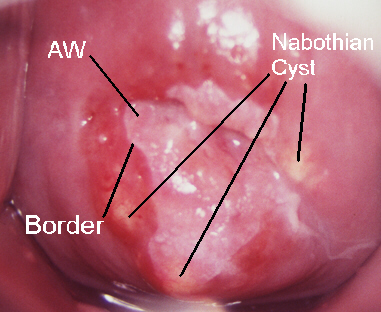 Nabothian follicles, or epithelial inclusion cysts, present a characteristic appearance: they contain a dense, yellow, mucoid material . They warrant no further treatment.
 Question 20 |
Which tick-borne public health threat, especially prevalent in the upper Midwest, New England, and some of the Mid-Atlantic States, is a cause of an infection of neutrophils?
human granulocytic anaplasmosis | |
Rocky Mountain spotted fever Hint: Rocky Mountain spotted fever is also a tick-borne infection and is also rickettsial in origin and causes a systemic febrile syndrome and a rash | |
psittacosis Hint: Psittacosis is associated with exposure to parrots and other birds and is primarily pneumonia illness | |
cryptococcosis Hint: cryptococcal disease typically causes fungal meningitis in immunosuppressed persons. |
Question 20 Explanation:
Human granulocytic anaplasmosis (formerly known as “ehrlichiosis”) is caused by a rickettsial bacterium and transmitted by the bite of various tick species that often overlap with those that transmit other diseases such as Lyme disease and babesiosis. .
Question 21 |
The most powerful and consistent risk factor for the development of substance use disorders (SUD) is:
poverty | |
age | |
depression | |
family history |
Question 21 Explanation:
While there are a wide array of factors including biologic factors, gender, age, employment status, education, and psychiatric history, the strongest association identified for substance use is a positive family history of either drug or alcohol abuse.
Question 22 |
Which of the following physical findings suggest pernicious anemia?
Splenomegaly and hepatomegaly Hint: Splenomegaly and hepatomegaly are typically seen in hemolytic anemias. | |
Petechiae and ecchymosis Hint: Petechiae and ecchymosis are seen in thrombocytopenia. | |
Loss of position and vibratory sensation | |
Cheilosis and koilonychia Hint: Cheilosis and koilonychia are seen in iron deficiency anemia. |
Question 22 Explanation:
Loss of position and vibratory sensation are common neurologic findings in pernicious anemia.
Question 23 |
Which of the following is the chief adverse effect of thiazide diuretics?
Hypokalemia | |
Hypernatremia Hint: Hyponatremia, not hypernatremia may be a complication of thiazide diuretics. | |
Hypocalcemia Hint: Thiazide diuretics cause the retention of calcium and would not cause hypocalcemia. | |
Hypermagnesemia Hint: Thiazide diuretics cause the retention of calcium and do not readily affect magnesium levels. |
Question 23 Explanation:
Thiazide diuretics can induce electrolyte changes. Principle among those is hypokalemia.
Question 24 |
Within hours of birth, a healthy infant is noted to have a superficial swelling over the right occipitoparietal region that extends across the suture line. Which of the following conditions is it MOST likely to be?
caput succedaneum | |
cephalohematoma Hint: A cephalohematoma is a firm, tense external swelling of the cranium that does not extend across suture lines because it is limited to the surface of one cranial bone. It occurs most often in the parietal area . This subperiosteal hemorrhage usually is not present at birth, but develops within the first 24 hours of life. | |
craniotabes Hint: Craniotabes is a condition caused by the osteoporosis of the outer table of the involved membranous bone, generally over the temporoparietal or parietooccipital areas, creating a “ping-pong ball” sensation when gentle pressure is applied. | |
subgaleal hemorrhage Hint: A subgaleal hemorrhage is a firm, fluctuant external swelling of the cranium that does extend across suture lines and increases in size over time. |
Question 24 Explanation:
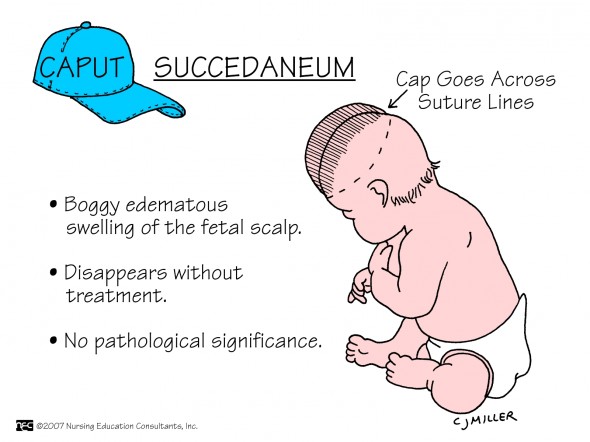
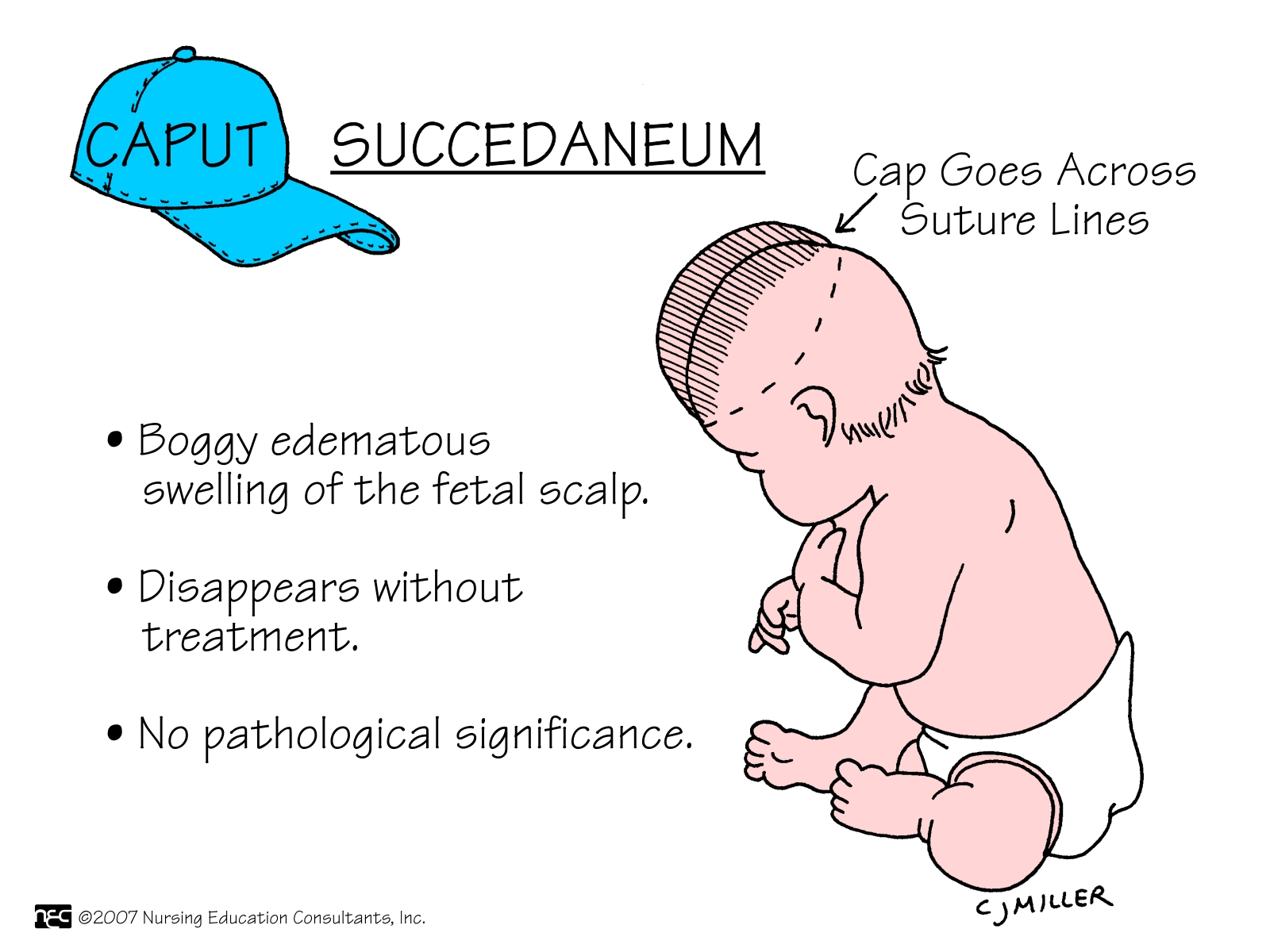
Caput succedaneum is a result of fluid and blood accumulation in the occipitoparietal region of the newborn's scalp due to the vacuum effect of membrane rupture.
Question 25 |
Which of the following physical examination findings in a newborn infant should cause the clinician to suspect a genetic disorder?
café au lait spots | |
subconjunctival hemorrhages Hint: Subconjunctival hemorrhages are a common finding in infants secondary to birth trauma. | |
miliaria Hint: Miliaria are blocked sweat gland ducts that are commonly found on the face, scalp, or intertriginous areas. | |
vernix caseosa Hint: Vernix caseosa is a normal finding in newborns and is a whitish, greasy layering on the body— it decreases as an infant comes to full term. |
Question 25 Explanation:
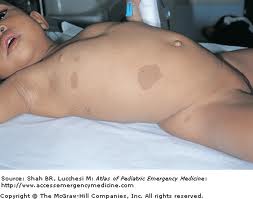 Café au lait spots are brown macules that may be found on any part of the body. The presentation of six or more spots greater than 1.5 cm is a sign of neurofibromatosis, a genetic disorder that results in neurofibromas that can develop in any organ/ tissue system.
 Question 26 |
A 72-year-old woman is brought to the ED after being found on her kitchen floor comatose with a BP of 280/ 150 mm Hg and pinpoint reactive pupils. What is the most likely diagnosis?
thalamic hemorrhage Hint: Thalamic hemorrhage characteristically leads to impaired consciousness, contralateral motor and sensory loss, and gaze preference to the side of the hemorrhage. | |
pontine hemorrhage | |
subarachnoid hemorrhage Hint: Subarachnoid hemorrhage presents as a severe acute onset of a headache with associated neurological deficits of varying degrees depending on the extent and location of the hemorrhage. | |
intracerebral left occipital hemorrhage Hint: Lobar hemorrhages may present with symptoms of headache, nausea, vomiting, change in mental status, visual disturbance, seizures, and coma, depending on the extent and location of the bleed. | |
cerebellar hemorrhage Hint: Cerebellar hemorrhages typically present with impaired gait, vertigo, limb ataxia, impaired consciousness, and cranial nerve palsies. |
Question 26 Explanation:
The typical presentation of pontine hemorrhage is coma, pinpoint reactive pupils, impaired lateral ocular motility, and quadriplegia with decerebrate posturing.
Question 27 |
Which of the following signs and symptoms best describes the presentation of a dissecting thoracic aortic aneurysm?
syncope, abdominal pain, back pain, and shock Hint: See answer for explanation | |
severe quadriplegia and coma Hint: See answer for explanation | |
abrupt and severe pain in the chest or between the scapulae | |
lower back pain with radiation into the legs Hint: See answer for explanation | |
headache, neck pain, and vomiting accompanied by an inability to walk or stand Hint: Headache, neck pain, and vomiting accompanied by the sudden onset of an inability to walk or stand are associated with cerebellar infarction. |
Question 27 Explanation:
Severe, abrupt chest pain that also may be located between the scapulas is common in aortic dissection. Pain in the anterior chest or back may represent involvement of the ascending or descending aorta. In the setting of symptoms of severe back or abdominal pain accompanied by shock, a dissecting abdominal aneurysm is strongly likely. Rapid onset of stroke, inability to move muscles (except the lateral gaze), and quadriplegia are indicative of basilar artery occlusion.
Watch Video
Question 28 |
The most prevalent arboviral disease in the United States is
West Nile virus encephalitis | |
anaplasmosis Hint: Anaplasmosis is a bacterial infection transmitted by ticks and infects white blood cells producing a systemic febrile illness . | |
Lyme disease Hint: Lyme disease is caused by tick bites, usually produces a vivid rash , and is endemic particularly in states on the Eastern seaboard . | |
eastern equine encephalitis |
Question 28 Explanation:
West Nile virus has become the most common mosquito-borne (arthropod-borne or arboviral) infectious disease in the United States since the 2002 epidemic and is far more prevalent than eastern equine encephalitis. Between 2001 and 2004, it spread progressively annually across the United States and is now endemic in most parts of the United States .
Read more
Question 29 |
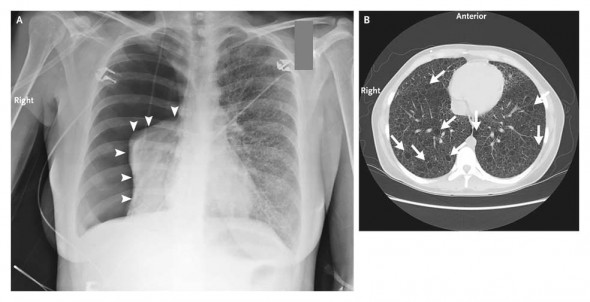 A tall, thin , 26-year-old woman presents to the ED with an acute onset of right-sided pleuritic chest pain and dyspnea. What is the most likely diagnosis?
right tension pneumothorax | |
left pneumothorax | |
right pleural effusion | |
right spontaneous pneumothorax | |
left atelectasis |
Question 29 Explanation:
Spontaneous pneumothorax most commonly affects tall, thin men, between the ages of 20 and 40 years, who are heavy cigarette smokers. The pain is usually pleuritic and localizes to the affected side. Most patients have decreased breath sounds on the affected side , but few have a significant tachypnea or tachycardia.
Question 30 |
What is the mechanism of injury for an anterior shoulder dislocation?
shoulder internal rotation and adduction | |
shoulder internal rotation with abduction | |
shoulder external rotation with adduction | |
shoulder external rotation with abduction |
Question 30 Explanation:
The most common mechanism of injury for an anterior shoulder dislocation is abduction, extension, and external rotation. The lateral edge of the acromion process is prominent and the arm is held in slight abduction and external rotation by the opposite extremity. Anterior shoulder dislocations account for 95% to 97% of all glenohumeral dislocations. Falls onto an outstretched hand as mechanism of injury is more common in an older patient population.
Watch this to relocate the dislocated shoulder
Once you are finished, click the button below. Any items you have not completed will be marked incorrect.
There are 30 questions to complete.
|
List |