
PANCE Blueprint Genitourinary (4%)

PANCE Blueprint Genitourinary (4%)
Featured

PANCE Blueprint Genitourinary (4%)

Follow along with the NCCPA™ PANCE and PANRE Genitourinary Content Blueprint

Lessons

  1. Genitourinary 79 Question Comprehensive Exam

    Comprehensive PANCE/PANRE Genitourinary Blueprint Exam
  2. Smarty PANCE Genitourinary Flashcards and Cheat Sheet

    Flashcards covering all GU PANCE/PANRE NCCPA Content Blueprint topics. Download and print the flashcard cheat sheet and access our premium Quizlet flashcard sets.
    1. Additional Genitourinary Flashcards

  3. Prostate disorders (PEARLS)

    1. Enlargement of transitional zone - In men with BPH, avoid use of anticholinergic and antihistamines
      • PSA is often elevated - considered normal < 4
      • PSA > 4 think BPH, prostate CA and prostatitis
      • Symptomatic: Alpha blocker (Tamsulosin)
      • Decrease prostate size: 5 alpha reductase inhibitors (Finasteride)
      • Definitive: TURP
  4. Bladder disorders (PEARLS)

    1. Stress: urine leakage due to abrupt increases in intra-abdominal pressure (eg, with coughing, sneezing, laughing, bending, or lifting)
      • Treatment: strengthen pelvic floor or surgery
      Urge: results from an overactive detrusor muscle. Increased frequency. Vaginal delivery.
      • Treatment: Oxybutynin
      Overflow: Cannot empty bladder, just leaks. High PVR
      • Treatment: Self catheterization
      Functional: mobility issue Mixed: (combo of stress and urge) most common.
    2. Overactive bladder

      Overactive bladder is a term that describes a syndrome of urinary urgency with or without incontinence, which is often accompanied by nocturia and urinary frequency
      • The terms "urgency incontinence" and "overactive bladder with incontinence" are often used interchangeably
      • Overactive bladder happens mostly in women but may occur in men
      • Aging, an enlarged prostate, and diabetes are all risk factors
      Treated in a similar manner to urgency incontinence
      • Treated with pelvic floor muscle exercises
      • If this is unsuccessful, medications include anticholinergics (oxybutynin) and TCAs (imipramine)
    3. Bladder prolapse (cystocele) is a bulge of the bladder into the vagina
      • A cystocele can result from childbirth, constipation, violent coughing, heavy lifting, or other pelvic muscle strain
      • Symptoms include feeling pressure in the pelvis and vagina, discomfort when straining, and feeling that the bladder hasn't fully emptied after urinating
      Treatment includes a flexible ring pessary to support the bladder or surgical repair with mesh augmentation. In rare cases, estrogen may also be used
    4. Interstitial cystitis (IC) and bladder pain syndrome (BPS) (PANRE) (Lecture)

  5. Congenital and acquired abnormalities (PEARLS)

    1. If still non-palpable at 6 mo. well-child exam, refer to urology/surgery for evaluation and possible orchiopexy
      • ↑ Risk in premature infants 30%
      • If not repaired risks infertility and malignancy
      • Treatment: Orchiopexy by age 1
    2. Peyronie's disease

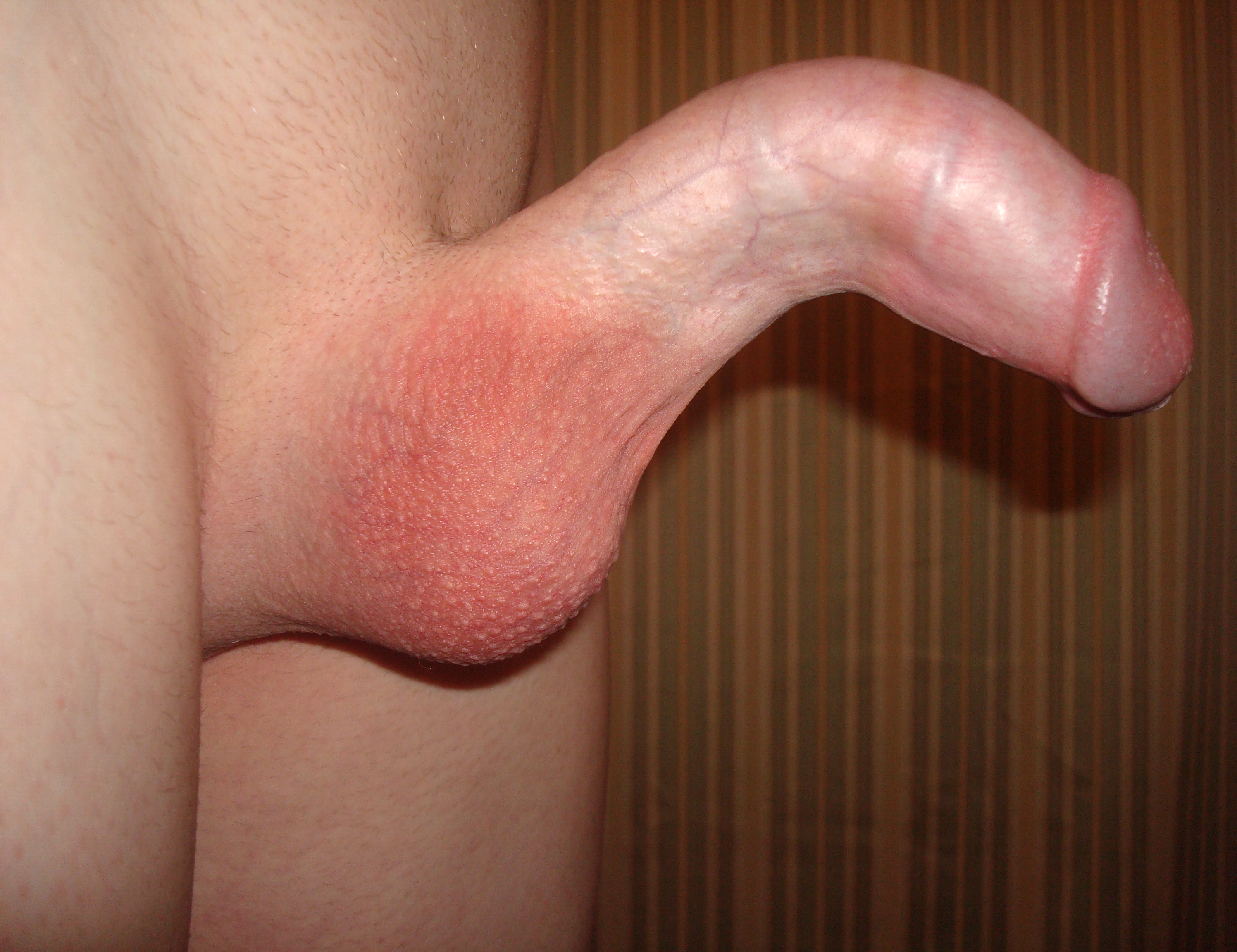
      Peyronie disease (PD) is a disorder characterized by a buildup of hardened fibrous tissue in the corpus cavernosum, causing pain and a defective curvature of the penis, especially during erection
      • Peyronie's disease is caused by repeated penile injury, typically during sex or physical activity, and genetic susceptibility
      • The presenting symptoms of PD are penile pain, induration, curvature, shortening, and/or sexual dysfunction
      • Diagnosis is usually apparent from patient history and penile examination - ultrasound, plain radiography, computed tomography, and MRI
      Treatment includes medications (vasodilators) or surgery (plaque removal) may be recommended if symptoms persist or worsen.
    3. Genitourinary trauma

      Urethral trauma
      • The classic sign is blood at the meatus
      • High-riding ballotable prostate on rectal exam; scrotal or perineal ecchymosis
      Bladder trauma
      • Blunt force bladder injuries are seen with lower abdominal trauma and in conjunction with pelvic fractures, often resulting from a MVA. They are classified as a contusion, intraperitoneal rupture, or extraperitoneal rupture
      Penile fracture
      • Pain and snapping. Penis will be s-shaped, tender, with swelling and ecchymosis
      Retrograde UrethroGram (RUG): dye in penis retrograde to the bladder and x-ray looking for extravasation of dye - should be obtained prior to placing a Foley catheter if urethral injury is suspected Treatment depends on the degree of injury
      • Surgery is considered the best treatment option for penile fracture and urethral injuries and intraperitoneal or large bladder rupture
      • Extraperitoneal bladder rupture can be treated with bladder catheter (Foley) drainage and observation
      • Following bladder contusion drainage of the bladder should result in resolution within a few days. Follow-up cystography is recommended to assess integrity of the bladder wall
    4. Vesicoureteral reflux (VUR) is a condition in which urine flows retrograde, or backward, from the bladder into the ureters/kidneys
      • In young female patients, any history that points to recurrent infection, especially cystitis or pyelonephritis, should trigger an evaluation for vesicoureteral reflux (VUR)
      • Diagnose by using VCUG and monitor by using serial ultrasonography and VCUGs
      Mild to moderate VUR often resolves spontaneously, but the more serious disease may require surgical intervention
      • Children with newly diagnosed VUR are given prophylactic antibiotics depending on their clinical course
    1. Cystitis is an infection of the bladder characterized by dysuria without urethral discharge. E. coli (most common) Urine dipstick ⇒ nitrite, leukocyte esterase (enzyme created by white blood cells)
      • Urinalysis: pyuria (white blood cells in urine), bacteriuria, +/− hematuria, +/− nitrites
      • Urine culture (gold standard)
        • > 100,000 CFU/mL (women)
        • > 1000 CFU/mL men or cath patients
        • → takes 24 h to obtain results
      • Imaging studies are not required for most women with UTIs and are warranted only if pyelonephritis, recurrent infections, or concern for anatomic abnormalities
      • Treat with nitrofurantoin (not over age 65), Bactrim, Fosfomycin
      • Ciprofloxacin- reserved for complicated cases
      • Postcoital UTI: low-dose nitrofurantoin (50 to 100 mg orally postcoitally or at bedtime) or cephalexin (250 to 500 mg orally postcoitally or at bedtime) may reduce the frequency of UTI in sexually active women
      Lower UTI in pregnancy
      • Cefpodoxime, amoxicillin-clavulanate, and fosfomycin are considered safe in pregnancy
    2. Epididymitis is characterized by dysuria, unilateral scrotal pain and swelling.
      • + Prehn's sign: relief with elevation is a classic sign
      • Urinalysis and culture, along with studies for GC and Chlamydia - will reveal pyuria and bacteriuria. Ultrasound with Doppler studies if concern for torsion
      • Men < 35 chlamydia and gonorrhea: Doxycycline 100mg PO BID for 10 days + Ceftriaxone 500 mg IM in one dose, or 1 g if the patient weighs 150 kg or greater
      • Men > 35 E.coli: Treat with Levofloxacin x 10 days
    3. Fournier gangrene

      Fournier gangrene is a rapidly progressing necrotizing fasciitis affecting the genitalia and perineal regions
      • Most common in males, particularly those with diabetes or immunosuppression
      • Symptoms include severe pain, erythema, swelling, and necrosis, often with systemic symptoms like fever and malaise
      • Polymicrobial infection: involves facultative organisms (E. coli, Klebsiella, enterococci) and anaerobes (Bacteroides, Fusobacterium, Clostridium, anaerobic or microaerophilic streptococci)
      • Can lead to septic shock, organ failure, and is potentially life-threatening if not treated promptly
      DX: Clinical diagnosis supported by laboratory and imaging studies
      • Leukocytosis is common; blood cultures may identify causative organisms
      • CT scan of the pelvis can delineate the extent of infection and deeper tissue involvement
      • Surgical exploration is often necessary for definitive diagnosis and initial management to debride necrotic tissue
      TX:  Surgical debridement is a critical first step; removing all necrotic and infected tissue is essential and often needs to be repeated
      • Broad-spectrum antibiotics: Empirical therapy typically includes:
        • A carbapenem or piperacillin-tazobactam plus
        • An agent active against methicillin-resistant Staphylococcus aureus (such as vancomycin or daptomycin) plus
        • Clindamycin, for its antitoxin effects
      • Supportive care: Fluid resuscitation, diabetes management, and nutritional support
      • Hyperbaric oxygen therapy may be considered to enhance tissue healing and fight infection
    4. Unilateral swollen testicle with erythema and shininess of the overlying skin. Orchitis is rarely seen without epididymitis unless patient has mumps.
      • 25 % are associated with MUMPS
      • Over 35: E. coli, Levofloxacin
      • Under 35:  Gonorrhea and chlamydia, Ceftriaxone + doxycycline/azithromycin
    5. Sudden onset of fever, chills, and low back pain combined with urinary frequency, urgency, and dysuria.
      • Digital rectal exam = boggy, warm, tender, and enlarged prostate
      • Urinalysis will reveal pyuria (↑ WBC in acute) +/- hematuria
      • Men < 35: chlamydia and gonorrheaceftriaxone and doxycycline
      • E coli in men > 35: treat with fluoroquinolones or Bactrim for 4-6 weeks to ensure eradication of the infection
      • Chronic prostatitis is treated with fluoroquinolones or Bactrim x 6-12 weeks
      • If you suspect acute prostatitis, do not massage the prostate. This can lead to sepsis
    6. Pyelonephritis is an infection of the renal pelvis and kidney parenchyma, typically ascending from a lower urinary tract infection.
      • Fever, chills, and flank pain are hallmark symptoms
      • Costovertebral angle tenderness (CVA)
      • May present with nausea, vomiting, and malaise
      • Dysuria, frequency, and urgency may be present if concurrent lower urinary tract infection
      • Diagnosed with urinalysis, showing pyuria, bacteriuria, and possibly white cell casts. Urine culture confirms the diagnosis and guides antibiotic therapy.
      • Common pathogens include Escherichia coli (most common), Proteus, Klebsiella, and Enterococcus
      • Treated with oral antibiotics (e.g., ciprofloxacin or trimethoprim-sulfamethoxazole) for mild cases; IV antibiotics (e.g., ceftriaxone or gentamicin) for severe cases or complicated infections
      • Imaging (e.g., ultrasound or CT scan) may be indicated in complicated cases or if abscess is suspected
    7. In urethritis, the main symptoms are dysuria, and primarily in men, urethral discharge
      • The sexually transmitted pathogens Chlamydia trachomatis, Neisseria gonorrhoeae, Trichomonas vaginalis, and herpes simplex virus are common causes in both sexes
      • Diagnosis: nucleic acid amplification test (NAAT)
      • Sexually active patients with symptoms are usually treated presumptively for STDs pending test results
        • The preferred regimen for gonococcal infections is a single IM dose of ceftriaxone (500 mg for individuals <150 kg or 1 g for individuals ≥150 kg)
        • If testing results for C. trachomatis are not available at the time of treatment, presumptive therapy for chlamydia coinfection is also indicated. In such cases, doxycycline 100 mg twice daily for seven days
        • Consider replacing doxycycline with azithromycin 1 g PO if compliance is in question or pregnancy
        • In the event that results of microbial diagnostic testing are available prior to the patient's receipt of therapy, antimicrobial treatment can be directed toward the identified pathogen(s)
    1. Bladder cancer (Lecture)

      Bladder Cancer is a malignancy arising from the lining of the bladder, most commonly transitional cell carcinoma
      • Painless hematuria (gross or microscopic) is the most common presenting symptom
      • Risk factors include smoking, occupational exposure to chemicals (e.g., aniline dyes, arsenic), chronic bladder inflammation, and family history
      • May present with irritative voiding symptoms such as dysuria, urgency, and frequency
      • Diagnosis is confirmed with cystoscopy and biopsy. Urine cytology and imaging (e.g., CT urogram) are also used for evaluation
      • Staging involves assessing the depth of invasion and the presence of metastasis, typically using CT or MRI
      • Treatment options include transurethral resection of bladder tumor (TURBT) for non-muscle invasive disease, intravesical therapy (e.g., BCG, mitomycin) for high-risk non-muscle invasive disease, and radical cystectomy with or without chemotherapy for muscle-invasive disease
    2. Penile Cancer

      The diagnosis of penile carcinoma should be suspected in men who present with a penile mass or ulcer, particularly in those who are uncircumcised
      • The diagnosis requires biopsy for tissue confirmation
      Treatment involves surgery for all stages of penile cancer. Other options include radiation and chemotherapy
    3. Most common area: Peripheral zone. Digital Rectal Exam: hard, irregular, nodular prostate Tumor marker: PSA. (also elevated in BPH)
      • PSA is considered normal < 4
      • PSA > 4 think BPH, prostate CA and prostatitis
      Recommended age to start annual prostate screening:
      • White male average risk: 50 years old
      • Black male + Family History or + BRCA mutations: 40 years old
    4. Presents as a firm, painless, non tender testicular mass
      • Seminoma is the most common type (60%)
      • Risk factors include history of cryptorchidism
      • Diagnostic studies: Initial-Ultrasound. Tumor markers: AFP, βHCG
  6. Nephrolithiasis/urolithiasis (ReelDx + Lecture)

    Nephrolithiasis (Urolithiasis) refers to the formation of stones in the urinary tract, which can cause significant pain and urinary obstruction.
    • Severe, colicky flank pain radiating to the groin, CVA tenderness (also a sx of pyelonephritis)
    • Hematuria (blood in urine) is common
    • Nausea and vomiting often accompany the pain
    • Urinary frequency and urgency if the stone is near the bladder
    • Diagnosed with non-contrast helical CT scan as the gold standard; ultrasound can be used in pregnant patients
    • Common types of stones: calcium oxalate (80%) (most common), uric acid, struvite, and cystine
    • Risk factors include dehydration, hypercalciuria, hyperoxaluria, and certain metabolic conditions
    • Managed with hydration, pain control (NSAIDs or opioids), and medical expulsive therapy (alpha-blockers like tamsulosin)
      • Stones < 5 mm are likely to pass
      • Stones > 1 cm are unlikely to pass. Lithotripsy is indicated in patients with stones > 6 mm in size or intractable pain
    • Surgical intervention (e.g., lithotripsy, ureteroscopy) may be necessary for stones that do not pass spontaneously or cause complications
    1. Occurs when a man can't get or keep an erection firm enough for sexual intercourse
      • Psychological
      • Organic causes include hypertension, neurological problems from diabetes, and hormonal dysfunction
      • Medication side effects
      • Nocturnal penile tumescence used to evaluate sleep erections
      • Do not use with nitrates may cause hypotension
      • Treat with phosphodiesterase 5 inhibitors Sildenafil (Viagra), Tadalafil (Cialis), Vardenafil (Levitra)
      • Weight loss, smoking and alcohol cessation, hormone replacement and vacuum erection devices, and surgery
    2. Hypospadias/epispadias

      Epispadias is when the urethra opens onto the topside of the penile shaft
      • Diagnosis is usually made during the newborn exam, but imaging studies (excretory urogram) can aid in the diagnosis
      • Treatment is surgical repair, usually performed between six months and one year of age
      Hypospadias (more common than epispadias) is when the urethra opens onto the bottom (underside) of the penile shaft 
      • Diagnosis is usually made during the newborn exam, but imaging studies (excretory urogram) can aid in the diagnosis
      • Treatment is surgical repair, usually performed between six months and one year of age. Do not circumcise- foreskin may be used to reconstruct urethra
    3. Paraphimosis: Inability to return the foreskin to normal position causes tourniquet effect, is a medical emergency
      • Entrapment of the foreskin behind glans
      • More acute than phimosis
      Phimosis: Inability to retract the foreskin, usually resolves by age 5, betamethasone topically, if no improvement, circumcision
      • Unable to retract the foreskin
      • More chronic than paraphimosis
    4. Priapism (Lecture)

      Priapism is a urological emergency that involves a prolonged, often painful erection lasting more than two to four hoursunrelated to sexual stimulation or desire
      • Classified into ischemic (low-flow) and non-ischemic (high-flow) types
        • Ischemic priapism (most common) involves painful, rigid erection and is a medical emergency
        • Non-ischemic priapism involves less painful, partially rigid erection and is usually related to trauma
      • Common causes include: sickle cell disease, medications (e.g., PDE-5 inhibitors, antidepressants, antipsychotics), and spinal cord injury
      • Diagnosed with history and physical exam; cavernosal blood gas analysis distinguishes ischemic from non-ischemic priapism
      • Ischemic priapism treatment: Aspiration of corpora cavernosa, intracavernosal injection of phenylephrine, and surgical shunt if refractory
      • Non-ischemic priapism treatment: Often conservative management, including ice packs and compression; arterial embolization for persistent cases
  7. Testicular disorders (PEARLS)

    1. Hydrocele: On physical exam mass will transilluminate Varicocele: Dilation of the pampiniform plexus
      • Bag of worms in scrotum (made worse when patient is upright and improves when patient is supine)
      • More common on left
    2. Testicular torsion is a surgical emergency caused by twisting of the spermatic cord, leading to ischemia of the testicle and potential infarction if not promptly corrected.
      • Most common in postpubertal adolescent males, with 65% of cases occurring between ages 10–20, though it can occur at any age
      • Often triggered by vigorous physical activity, minor trauma, or during sleep
      • Presents with sudden, severe unilateral scrotal pain, often accompanied by nausea and vomiting
      • Physical exam findings include:
        • Asymmetric high-riding testicle with a horizontal lie
        • Scrotal swelling, erythema, and tenderness
        • Absent cremasteric reflex (normally, stroking the inner thigh causes the testicle to elevate)
        • Negative Prehn’s sign (elevation of the testicle does NOT relieve pain, unlike epididymitis, where Prehn’s is positive)
        • May show the classic “bell clapper deformity” (testis lacks normal posterior attachment, increasing mobility)
      • Diagnosis is clinical—do not delay surgical exploration if suspicion is high. If available, scrotal ultrasound with Doppler may show absent or decreased blood flow to the affected testicle.
      • Urgent surgical detorsion and bilateral orchiopexy must be performed, ideally within 6 hours to maximize testicular salvage
      • Manual detorsion (rotating the testicle outward like opening a book) can be attempted if surgery is not immediately available, but definitive surgical fixation is still required
      • Delayed treatment (>6–8 hours) significantly increases the risk of testicular infarction and loss
      • The contralateral testicle is prophylactically fixed during surgery to prevent future torsion
    1. Urethral Prolapse

      Urethral Prolapse Circumferential protrusion of the distal urethra through the external urethral meatus. It is a rarely diagnosed condition that occurs most commonly in prepubertal girls and postmenopausal women
      • Vaginal bleeding is the most common presenting symptom of urethral prolapse
      • Upon examination, round, often doughnut-shaped protrusion mucosa is observed obscuring the urethral opening
      Treatment includes topical estrogen creams, vaseline, and sitz baths
      • Surgical excision is justified in young patients with symptomatic urethral prolapse or with recurrent urethral prolapse
    2. Urethral Stricture

      Urethral Stricture Narrowing of the urethra caused by injury, instrumentation (TURP), infection (typically with Gonorrhea), and certain non-infectious forms of urethritis
      • A urethral stricture should be suspected in men with chronic obstructive voiding symptoms, especially if noninvasive studies (e.g., uroflowmetry, ultrasound postvoid residual measurement) demonstrate poor bladder emptying with a low peak rate of urine flow
      Treatments include urethral dilation or stent placement
      • An open urethroplasty is an option for longer, more severe strictures

Teachers

Have you tried the NEW Smarty PANCE QBANK? It's FREE with EVERY membership purchase 😀!

X