
PANCE Blueprint GI and Nutrition (8%)

PANCE Blueprint GI and Nutrition (8%)

PANCE Blueprint GI and Nutrition (8%)

Follow along with the NCCPA™ PANCE and PANRE Gastroenterology and Nutrition Content Blueprint

Lessons

  1. GI and Nutrition 149 Question Comprehensive Exam

    Comprehensive PANCE/PANRE GI and Nutrition Blueprint Exam
  2. GI and Nutrition System Flashcards

    1. Additional GI and Nutrition Flashcards

  3. GI and Nutrition Content Blueprint Cram Session

    1. Acute and chronic cholecystitis (Lecture)

      Cholecystitis is inflammation of the gallbladder, typically caused by obstruction of the cystic duct by gallstones (calculous cholecystitis)
      • Most common cause is gallstone obstruction (calculous cholecystitis); less commonly caused by infection or ischemia in the absence of gallstones (acalculous cholecystitis)
      • RUQ pain after a high-fat meal, often radiating to the right shoulder or back, fever, nausea, and vomiting
      • (+) Murphy's sign (RUQ pain with GB palpation on inspiration)
      • Ultrasound is the preferred initial imaging
      • HIDA scan is the best test (Gold Standard)
      • Labs show elevated white blood cell count (WBC) and possibly mild elevations in liver enzymes
      • Initial treatment includes IV fluids, antibiotics (e.g., ceftriaxone plus metronidazole), and pain control
      • Cholecystectomy (laparoscopic preferred) is the definitive treatment and is typically performed within 24-72 hours of diagnosis for calculous cholecystitis
    2. Cholangitis

      Cholangitis is a complication of gallstones with symptoms secondary to an infected obstruction of the common bile duct (E.coli is the #1 cause)
      • Charcot’s triad: RUQ tenderness, jaundice, fever
      • Reynold’s pentad: Charcot’s triad + altered mental status and hypotension
      • ERCP is the optimal procedure both for diagnosis and for treatment
    3. Cholelithiasis refers to the presence of gallstones within the gallbladder, often asymptomatic but capable of causing biliary symptoms.
      • Risk factors include the "4 F's": female, fat, fertile, and forty, along with rapid weight loss, pregnancy, and oral contraceptive use
      • Gallstones are classified as cholesterol stones (most common in the U.S.) or pigment stones (associated with hemolysis or liver disease)
      • Symptoms: Often asymptomatic, but may present with biliary colic—episodic, right upper quadrant (RUQ) or epigastric pain, often triggered by fatty meals and resolving within hours
      • Complications include acute cholecystitis, choledocholithiasis, and pancreatitis
      • Diagnosis:
        • Ultrasound is the imaging modality of choice, showing echogenic stones with posterior acoustic shadowing
        • HIDA scan or MRCP may be used in cases of suspected complications
      • Management:
        • Asymptomatic gallstones generally require no treatment
        • Symptomatic cases warrant elective laparoscopic cholecystectomy, the definitive treatment
        • For patients who are poor surgical candidates, ursodeoxycholic acid may dissolve cholesterol stones, though this is rarely used
      • Prevention includes maintaining a healthy weight, avoiding rapid weight loss, and controlling underlying conditions such as diabetes
  4. Colorectal disorders (PEARLS)

    1. Anorectal abscess is a result of infection, whereas fistula is a chronic complication of an abscess.
      • Produce painful swelling at the anus as well as painful defecation. Examination reveals localized tenderness, erythema, swelling, and fluctuance; fever is uncommon.
      • Deeper abscesses may produce buttock or coccyx pain and rectal fullness; fever is more likely.
      Anorectal fistula is an open tract between two epithelium-lined areas and is associated with deeper anorectal abscesses
      •  Fistulae will produce anal discharge and pain when the tract becomes occluded.
    2. Tearing rectal pain and bleeding which occurs with or shortly after defecation, bright red blood on toilet paper. Pain lasts for several hours and subsides until the next bowel movement
    3. Constipation is defined as any two of the following features: straining, lumpy hard stools, a sensation of incomplete evacuation, use of digital maneuvers, a sensation of anorectal obstruction or blockage with 25 percent of bowel movements, and decrease in stool frequency (less than three bowel movements per week).
      • Increase fiber (20-25 grams per day), exercise and water in diet
      • Bulk-forming laxatives first line and osmotic laxatives can be used in patients not responding satisfactorily to bulking agents
      • Patients who are older than 50 with new onset constipation should be evaluated for colon cancer
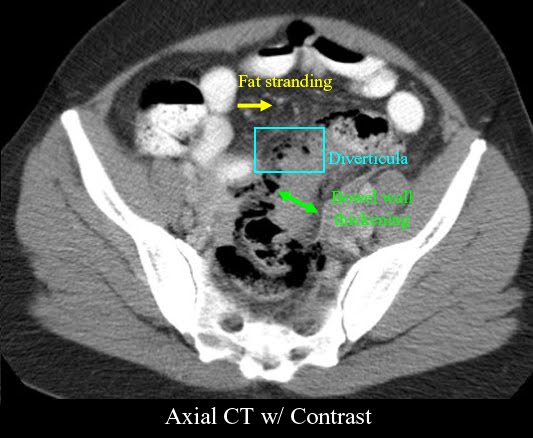
    4. Defined as an out-pocketing of colon wall - most common location is the sigmoid colon
      • Diverticulosis: Painless rectal bleeding
      • Diverticulitis: Presents with constipation. LLQ pain, Fever, ↑ WBC, and generally don't bleed
      • Diagnose with CT: Fat stranding and bowel wall thickening
      • Treatment: Metronidazole and Ciprofloxacin + bowel rest
    5. Belly cramping and bloating, small amount of stool leakage and rectal discomfort in an elderly bed-bound patient
    6. Fecal incontinence

      Fecal Incontinence is the involuntary loss of stool, leading to social and hygienic issues.
      • Common causes include obstetric trauma, anorectal surgery, neurologic disorders (e.g., diabetes, multiple sclerosis), and aging
      • Risk factors include chronic diarrhea, constipation, and pelvic floor dysfunction
      • Symptoms range from occasional leakage to complete loss of bowel control
      • Physical examination may reveal decreased anal sphincter tone and perianal sensation
      • Diagnosed with history and physical examination, supplemented by anorectal manometry, endoscopic ultrasound, or MRI to assess sphincter integrity
      • A stool diary can be helpful in assessing the pattern and triggers of incontinence episodes
      • Initial management involves dietary modifications (e.g., fiber intake), antidiarrheal medications, and pelvic floor exercises
      • Biofeedback therapy and anal sphincteroplasty are options for refractory cases
      • Sacral nerve stimulation may be considered in severe, treatment-resistant cases
    7. External- lower 1/3 of anus (below dentate line)
      • Significant pain, and pruritus but no bleeding, treat with excision for thrombosed external hemorrhoids
      Internal- upper 1/3 of anus
      • No Pain, bright red blood per rectum, pruritus and rectal discomfort, treat with fiber, sitz baths, reduction if needed
    8. Ileus

    9. Ulcerative Colitis
      • Isolated to the colon starts at the rectum and moves proximally
      • Continuous lesions
      • Mucosal surface only
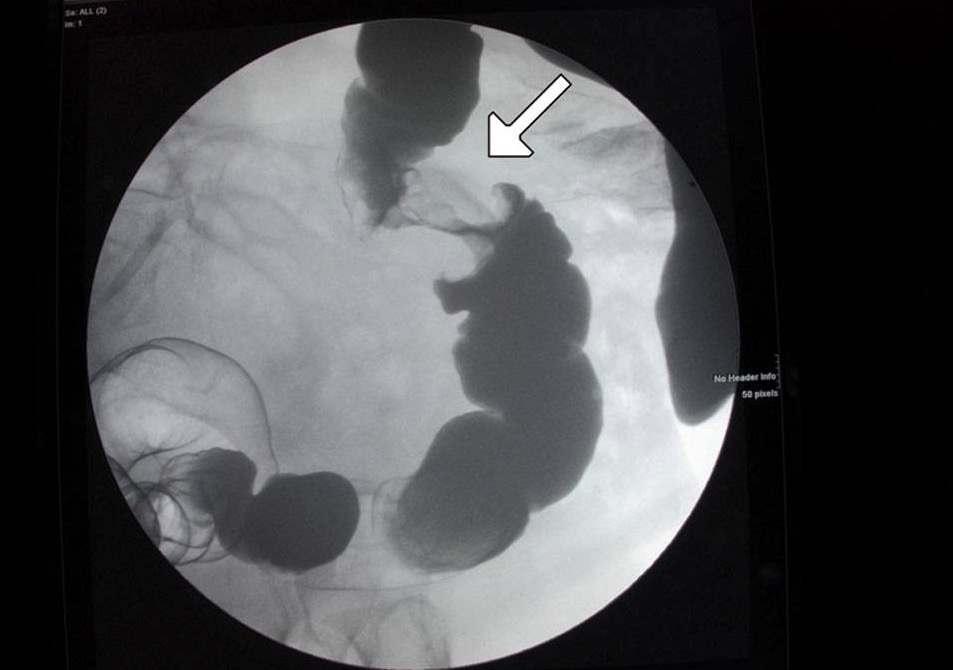
      • Barium enema: Lead pipe appearance (loss of haustral markings)
      • Medications: Prednisone and mesalamine
      • Colectomy is curative
      Crohn's disease 
      • From mouth to anus, transmural, skip lesions, and cobblestoning
      • Transmural
      • Fistulas common
      • Flares: Prednisone +/- Mesalamine +/- Metronidazole or Ciprofloxacin. Maintenance: Mesalamine
      • Surgery is not curative
    10. According to the Rome IV criteria, IBS is defined as recurrent abdominal pain, on average, at least one day per week in the last three months, associated with two or more of the following criteria:
      • Related to defecation
      • Associated with a change in stool frequency
      • Associated with a change in stool form (appearance)
    11. Sudden onset abdominal pain occurring 10-30 minutes after eating in a patient (usually elderly) with a risk of emboli formation (on the exam it is usually atrial fibrillation or CHF). It is associated with bleeding per rectum with or without diarrhea. Physical examination findings are usually disproportionate with abdominal pain.
      • Most common artery: Superior mesenteric artery
      • Acute: Abdominal pain out of proportion to findings
      • Chronic: pain 10-30 mins after eating, relieved by lying or squatting
      • Mesenteric angiography is the gold standard for diagnosis
      • Revascularization is the gold standard treatment
    12. Large Bowel Obstruction

      Gradually increasing abdominal pain with longer intervals between episodes of pain, abdominal distention, obstipation (infrequent bowel movements), and less vomiting (feculent), more common in the elderly
      • Cancer, stricture, hernias, volvulus, fecal impaction
      • Febrile, tachycardia, dehydration, electrolyte imbalance, shock
      • KUB shows multiple dilated loops of the bowel with air-fluid levels and haustra (small pouches caused by sacculation, which give the colon its segmented appearance) that do not transverse bowel
      • Treat with NPO, nasogastric suction, and IV fluids. Urgent surgery when a mechanical obstruction is suspected
    13. Colonic polyps are common; the incidence ranges from 7% to 50% (depending on the diagnostic method used)
      • The main concern is malignant transformation, which occurs at different rates depending on the size and type of polyp
        • Distal colon are commonly benign if seen in the proximal colon they are more likely to be cancerous
        • The larger the colonic polyp, the greater the risk of malignant transformation
        • Villous adenomas have a 30-70% risk of malignant transformation
        • The greater the number of concomitant colonic polyps, the greater the risk of malignant transformation
      • Most common cause of painless rectal bleeding in the pediatric population
      • Once identified follow-up colonoscopy in 3-5 years
      Familial adenomatous polyposis (FAP) - is characterized by the development of hundreds to thousands of colonic adenomatous polyps
      • Colorectal polyps develop by mean age of 15 years and cancer at 40 years
      • First-degree relatives of patients with FAP should undergo genetic screening after age 10 years
      • The family should undergo yearly sigmoidoscopy beginning at 12 years of age
    14. Rectal prolapse

    15. Toxic Megacolon is a life-threatening complication of inflammatory or infectious colitis characterized by rapid dilation of the colon.
      • Severe colonic dilation > 6 cm on abdominal X-ray
      • Systemic toxicity: fever, tachycardia, hypotension, altered mental status
      • Symptoms include abdominal pain, distention, and bloody diarrhea
      • Common causes: ulcerative colitis, Crohn’s disease, Clostridioides difficile infection, ischemic colitis
      • Rebound tenderness and guarding may indicate impending perforation
      • Diagnosed with abdominal X-ray showing colonic dilation, loss of haustral markings, and possibly air-fluid levels
      • Lab tests show leukocytosis, anemia, electrolyte imbalances
      • Initial treatment includes bowel rest, IV fluids, broad-spectrum antibiotics, and corticosteroids for inflammatory causes
      • Surgical consultation is essential; colectomy may be required if no improvement with medical management or if perforation occurs
    • Traveler's diarrhea: e-coli.
    • Diarrhea after a picnic and egg salad: Staphylococcus Aureus.
    • Diarrhea from shellfish: Vibrio cholerae.
    • Diarrhea from poultry or pork: Salmonella.
    • Diarrhea in a patient post antibiotics: C. Difficile.
    • Diarrhea in poorly canned home foods: C. perfringens.
    • Diarrhea breakout in daycare center: Rotavirus.
    • Diarrhea on a Cruise Ship: Norovirus.
    • Diarrhea after drinking (not so) fresh mountain stream water: Giardia lamblia - incubates for 1-3 weeks, causes foul smelling bulky stool and may wax and wane over weeks before resolving.
    1. Esophagitis (ReelDx)

      Non-infectious esophagitis
      • Reflux esophagitis: mechanical or functional abnormality of the LES
      • Medication induced: think NSAIDS or bisphosphonates
      • Eosinophilic: Pt with Asthma symptoms and GERD not responsive to antacids. Allergic, eosinophilic infiltration of the esophageal, barium swallow will show multiple corrugated rings
      Infectious esophagitis
      • Fungal: Infectious Candida: linear yellow-white plaques with odynophagia or pain on swallowing. Tx with Fluconazole 100 mg PO daily
      • Viral:
        • HSV: shallow ulcers noted on EGD, treat with acyclovir
        • CMV: deep ulcers on EGD, treat with ganciclovir
      • EBV, Mycobacterium tuberculosis, and Mycobacterium avium intracellulare are additional infectious causes
    2. Retrosternal pain/burning shortly after eating worse with carbonation, greasy foods, spicy foods and laying down
      • Endoscopy with biopsy—the test of choice but not necessary for typical uncomplicated cases. Indicated if refractory to treatment or is accompanied by dysphagia, odynophagia, or GI bleeding.
      • Upper GI series (barium contrast study)—this is only helpful in identifying complications of GERD (strictures/ulcerations)
      • PH Probe is gold standard for diagnosis (but usually unnecessary)
      • H2 receptor blockers, proton pump inhibitors, diet modification (avoid fatty foods, coffee, alcohol, orange juice, chocolate; avoid large meals before bedtime); sleep with trunk of body elevated; stop smoking
      • Nissen fundoplication: antireflux surgery for severe or resistant cases
      • Complications: Strictures or Barrett’s esophagus
    3. Esophageal mucosal tear caused by forceful vomiting - history of alcohol intake and an episode of vomiting with blood
    4. Esophageal Motility disorders

      • Achalasia: failure of LES relaxation and increased LES tone, decreased peristalsis, slowly progressive dysphagia, episodic regurgitation, barium swallow: “parrot-beak” - dilated esophagus tapered to distal obstruction. Dysphagia to liquids and solids. Definitive diagnosis: esophageal manometry
      • Diffuse Esophageal SpasmCorkscrew appearance on barium swallow
      • Neurogenic dysphagia: Dysphagia to liquids and solids caused by injury at brainstem or cranial nerves
      • Zenker diverticulum:  Outpouching of posterior hypopharynx - regurgitation of undigested food and liquid into the pharynx several hours after eating, foul odor of breath. Diagnose with barium swallow. 
      • Scleroderma esophagus: decreased esophageal sphincter tone and peristalsis, dysphagia to both solids and liquids
      • Esophageal stenosis: Dysphagia to solids but not liquids
    5. Solid food dysphagia in a patient with a history of GERD
      • Esophageal web: thin membranes in the mid-upper esophagus. May be congenital or acquired. Plummer-Vinson - esophageal webs + dysphagia + iron deficiency anemia
      • A Schatzki ring is a diaphragm-like mucosal ring that forms at the esophagogastric junction (the B ring). If the lumen of this ring becomes too small, symptoms occur
      • Diagnosed with barium swallow and treated with endoscopic dilation
    6. Esophageal varices (ReelDx)

      Dilated veins in the distal esophagus or proximal stomach caused by elevated pressure in the portal venous system, typically from cirrhosis. Budd-Chiari syndrome (from occlusion of hepatic veins), treat with therapeutic endoscopy – endoscopic banding and IV octreotide, prevent with nonselective beta blockers
    7. Zenker diverticulum

      Zenker Diverticulum is a pulsion (false) diverticulum of the pharyngoesophageal junction, caused by dysfunction of the cricopharyngeal muscle, leading to outpouching of the posterior hypopharynx
      • Most common in elderly patients, particularly males >60 years old
      • Symptoms:
        • Progressive dysphagia (solids > liquids)
        • Regurgitation of undigested food, often hours after eating
        • Halitosis (due to food retention in the diverticulum)
        • Chronic cough, hoarseness, sensation of food sticking in the throat
        • Risk of aspiration pneumonia
      • Diagnosis:
        • Barium swallow (esophagram) shows a posterior outpouching at the upper esophagus
        • Esophagoscopy is avoided initially due to risk of perforation
      • Management:
        • Small, asymptomatic diverticula: Observation
        • Symptomatic or large diverticula: Surgical myotomy with diverticulectomy or diverticulopexy
        • Endoscopic stapling or laser diverticulotomy is a minimally invasive option for select patients
      • Complications:
        • Aspiration pneumonia, malnutrition, and risk of esophageal perforation if untreated
      • Prognosis: Excellent with surgical or endoscopic treatment, with significant symptom relief
    1. Gastritis

      Dyspepsia and abdominal pain - Gold standard diagnosis is endoscopy with 4 biopsies along stomach lining
      • Autoimmune or hypersensitivity reaction (e.g. pernicious anemia)
        • Pernicious anemia: + schilling test + ↓ intrinsic factor and parietal cell antibodies
      • Infection - H. pylori (most common)
        • Studies: Urea breath test or fecal antigen
        • Treatment: PPI (Ie. Omeprazole) + clarithromycin + amoxicillin +/- metronidazole
      • Inflammation along the stomach lining (NSAIDS and Alcohol)
        • NSAIDS: cause gastric injury by diminishing local prostaglandin production in the stomach and duodenum
        • Alcohol: a leading cause of gastritis
    2. Gastroparesis (Lecture)

      Gastroparesis is a condition characterized by delayed gastric emptying in the absence of mechanical obstruction.
      • Chronic symptoms include nausea, vomiting, early satiety, bloating, and abdominal pain
      • Commonly associated with diabetes mellitus, particularly type 1
      • Other causes include post-surgical complications, medications (e.g., opioids, anticholinergics), and idiopathic factors
      • Diagnosed with gastric emptying study (scintigraphy) showing delayed gastric emptying
      • EGD (esophagogastroduodenoscopy) may be performed to rule out obstruction
      • Dietary modifications: Small, frequent, low-fat, low-fiber meals
      • Pharmacologic treatment: Prokinetic agents (e.g., metoclopramide, erythromycin), antiemetics for symptom relief
      • Severe cases may require gastric electrical stimulation or surgical interventions
      • H. pylori (most common), NSAID use, Zollinger-Ellison syndrome (refractory PUD) - gastrin secreting tumor
        • Duodenal ulcer - pain improves with food
        • Gastric ulcer - pain worsens with food
      • Diagnosis: Endoscopy with biopsy is gold standard for diagnosis
      • Treatment:
        • H. pylori infection: Triple therapy PPI (Ie. Omeprazole) + clarithromycin + amoxicillin +/- metronidazole
        • NSAIDs use: discontinue use
        • Zollinger-Ellison syndrome: PPI and resect tumor
    3. Pyloric stenosis (ReelDx)

      Pyloric Stenosis is a condition in infants caused by hypertrophy of the pyloric muscle, leading to gastric outlet obstruction
      • Most commonly presents in first-born male infants between 2–8 weeks of age
      • Classic symptoms include projectile, non-bilious vomiting after feeding, persistent hunger, and poor weight gain or failure to thrive
      • On physical exam, a palpable “olive-shaped” mass may be felt in the right upper abdomen and visible peristaltic waves may be seen across the stomach
      • Diagnosis is confirmed with abdominal ultrasound, showing a thickened and elongated pylorus
        • On ultrasound, you will see a double track” or "doughnut sign"
        • Barium studies will reveal a string sign or “shoulder sign”
      • Electrolyte abnormalities may include hypochloremic, hypokalemic metabolic alkalosis due to vomiting
      • Initial management includes IV fluid resuscitation and electrolyte correction
      • Definitive treatment is surgical pyloromyotomy (Ramstedt procedure), which splits the muscle to relieve the obstruction
  5. Gastrointestinal bleeding (Lecture)

    Gastrointestinal (GI) Bleeding refers to any bleeding occurring in the gastrointestinal tract, from the mouth to the anus.
    • Upper GI bleeding (proximal to the ligament of Treitz): Causes include peptic ulcer disease, esophageal varices, Mallory-Weiss tear, gastritis, and esophagitis
    • Lower GI bleeding (distal to the ligament of Treitz): Causes include diverticulosis, angiodysplasia, colorectal cancer, hemorrhoids, and inflammatory bowel disease
    • Hematemesis (vomiting blood) indicates upper GI bleeding
    • Melena (black, tarry stools) suggests upper GI bleeding, while hematochezia (bright red blood per rectum) suggests lower GI bleeding
    • Orthostatic hypotension and tachycardia may indicate significant blood loss
    • Initial management includes stabilization with IV fluids and blood transfusion if necessary
    • Diagnostic evaluation includes upper endoscopy (EGD) for upper GI bleeding and colonoscopy for lower GI bleeding. Capsule endoscopy or enteroscopy may be used for obscure sources
    • Treatment depends on the cause and may involve endoscopic interventions, medications (e.g., proton pump inhibitors, octreotide), or surgery
      • Hepatitis A
        • Acute - fatigue malaise, nausea, vomiting, anorexia, fever and right upper quadrant pain.
        • Transmission: Fecal-oral
        • Serum IgM anti-HAV
        • Vaccine: killed (inactivated) - given in two doses, recommended for travelers.
      • Hepatitis B
        • Acute and Chronic
        • Transmission: Sexual or sanguineous
        • Serology:
        • HBeAg – highly infectious
        • HBsAg – ongoing infection
        • Anti-HBc – had/have infection
          • IgM – acute
          • IgG – not acute
        • Anti-HBs – immune
        • Risk of hepatocellular carcinoma
        • Vaccine is given to all infants (birth, 1-2 mo, 6-18 mo)
      • Hepatitis C
        • Chronic
        • Asymptomatic
        • Transmission: IV drug use is most common. Also sexual or sanguineous
        • Screen with testing for anti-HCV antibodies
        • Diagnosis with HCV RNA quantitation
        • Risk of cirrhosis and hepatocellular carcinoma
        • Treatment: antiretrovirals target complex of enzymes needed for HCV RNA synthesis
      • Hepatitis D
        • Only occurs when coinfected with Hepatitis B
        • Risk of hepatocellular carcinoma
      • Hepatitis E
        • Pregnant woman, 3rd world countries
        • Hepatitis E + mother = high infant mortality
    1. Acute liver failure (Lecture)

      Acute liver failure is characterized by rapid deterioration of liver function, particularly the synthesis of clotting factors and toxin clearance, in someone without pre-existing liver disease
      • The most common cause in the US is acetaminophen overdose
      • Common laboratory findings include elevated aminotransferases (AST, ALT), elevated bilirubinprolonged prothrombin time (PT), and increased INRlow glucose, and elevated ammonia
      • Common complications include cerebral edema and intracranial hypertension, coagulopathy and bleeding, renal failure, sepsis, and metabolic derangements
      • Diagnostic criteria include the presence of coagulopathy (INR ≥ 1.5), the presence of hepatic encephalopathy, the absence of preexisting liver disease, and the duration of illness < 26 weeks
      • Acetaminophen level, viral hepatitis serologies, autoimmune markers (ANA, ASMA, IgG), toxicology screen, pregnancy test in women of childbearing age, and abdominal ultrasound or CT scan to rule out chronic liver disease or obstruction
      • N-acetylcysteine (NAC) is used to treat acetaminophen toxicity but can also benefit other causes by improving hepatic blood flow and oxygen delivery
      • Liver transplantation is the definitive treatment for patients with fulminant liver failure who are unlikely to recover with supportive care alone
    2. Cirrhosis is a late stage of hepatic fibrosis that has resulted in widespread distortion of normal hepatic architecture
      • The most common cause of cirrhosis is alcohol abuse (25%) and chronic hepatitis is second (21-25%)
      • Labs:  AST > ALT, ↑ risk for hepatocellular carcinoma: monitor AFP, ↑ ALP and GGT, low albumin, prolonged PT, US every 6 months, EGD screening for esophageal varices
      • Hepatic vein thrombosis = Budd Chiari: triad of abdominal pain, ascites, and hepatomegaly
      • Ascites, pulmonary edema/effusion, esophageal varices, Terry’s nails (white nail beds)
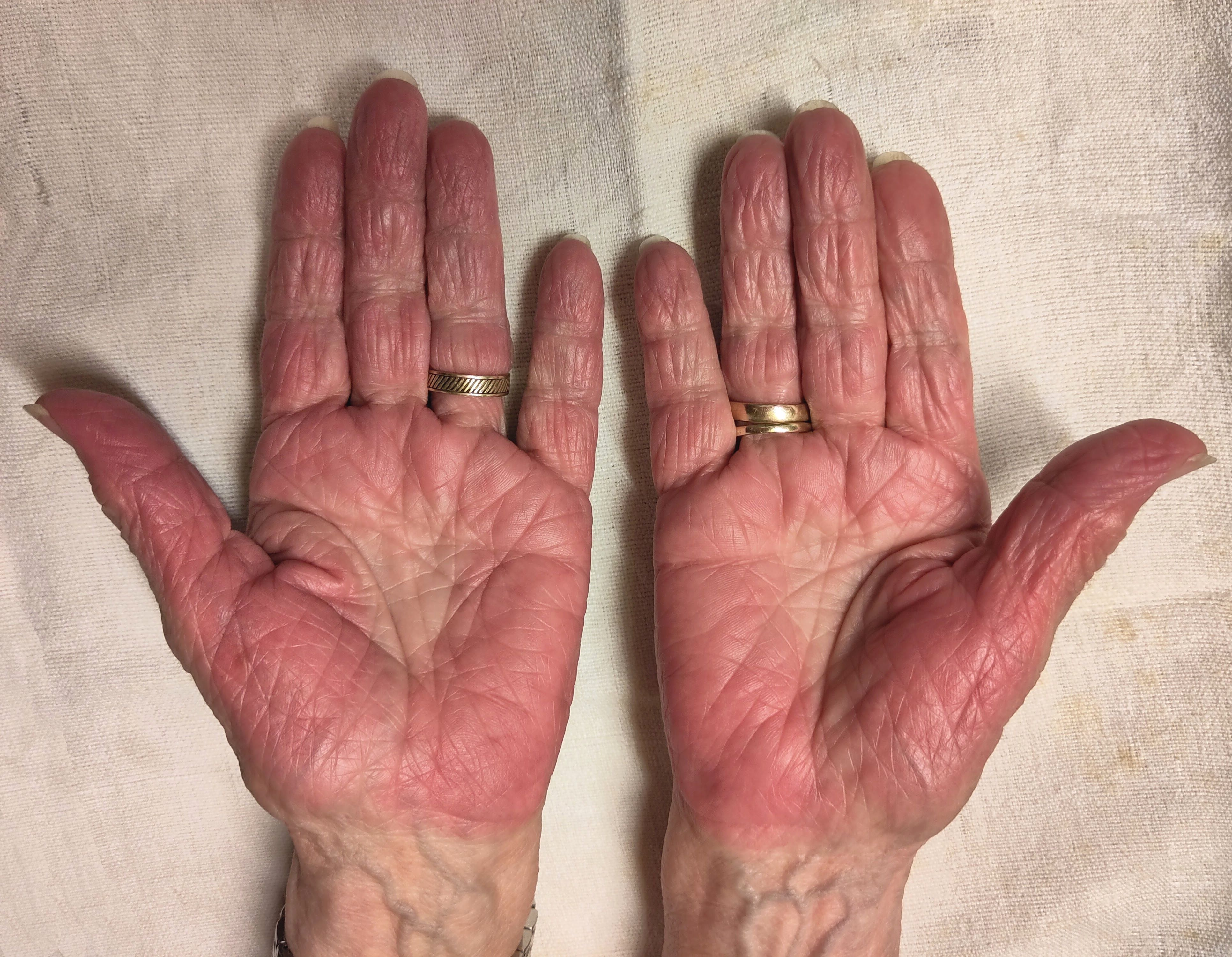
      • Skin changes: spider angiomata, palmar erythema, jaundice, scleral icterus, ecchymoses, caput medusae, hyperpigmentation
      • Hepatic encephalopathy: Asterixis (flapping tremor), dysarthria, delirium,  and coma
    3. Nonalcoholic fatty liver disease (NAFLD) - Metabolic dysfunction-associated steatotic liver disease (MASLD) (Lecture)

      Metabolic dysfunction-associated steatotic liver disease (MASLD), previously termed Nonalcoholic Fatty Liver Disease (NAFLD), is a spectrum of liver conditions NOT related to alcohol consumption
      • Patients with MASLD alone have
        • Fatty liver (>5 percent hepatic steatosis) with at least one risk factor for cardiometabolic dysfunction, such as dyslipidemia or obesity
        • No other causes of steatotic liver disease
        • Minimal or no alcohol consumption (i.e., <20 g daily for females and <30 g daily for males)
      • Progression to MASH is marked by liver inflammation and can lead to fibrosis, cirrhosis, and end-stage liver disease
      • Diagnosis is often made incidentally when imaging studies (ultrasound, CT, MRI) show fatty liver in the absence of significant alcohol consumption
        • Liver function tests may show mild to moderate elevation in ALT and AST, typically with an AST/ALT ratio <1, unlike alcoholic liver disease
        • Absence of hepatitis B and C
        • The definitive diagnosis can be made with a liver biopsy, showing steatosis, lobular inflammation, and ballooning, but this is NOT routinely performed due to its invasive nature
        • Non-invasive markers and scoring systems (e.g., Fibrosis-4 index, NAFLD fibrosis score) can help assess liver fibrosis risk
      • The mainstay of treatment is lifestyle modification to reduce weight and control metabolic risk factors
    4. Portal hypertension

      Portal Hypertension is an increase in portal venous pressure (above 5-10 mmHg), commonly caused by obstruction to blood flow through the liver, leading to complications from venous congestion.
      • Most common cause is cirrhosis, though other causes include portal vein thrombosis, Budd-Chiari syndrome, and schistosomiasis
      • Symptoms include abdominal distension (ascites), splenomegaly, and signs of collateral venous circulation such as esophageal varices and caput medusae
      • Complications include variceal bleeding, ascites, hepatic encephalopathy, and renal dysfunction (hepatorenal syndrome)
      • Diagnosis is confirmed by imaging, such as ultrasound with Doppler, which shows increased portal vein pressure and collateral vessels; endoscopy is used to identify esophageal varices
        • Measurement of hepatic venous pressure gradient (HVPG) is the GOLD STANDARD that can confirm the diagnosis and quantify the severity of portal hypertension
      • Management involves treating complications:
        • Non-selective beta-blockers (e.g., propranolol) to reduce variceal bleeding risk
        • Endoscopic band ligation or sclerotherapy for active variceal bleeding
        • Diuretics (spironolactone, furosemide) and paracentesis for ascites
        • TIPS (transjugular intrahepatic portosystemic shunt) for refractory varices or ascites
      • Surgical options (e.g., shunt procedures) are rarely used but may be indicated for refractory cases
      • Prevention includes managing underlying liver disease, avoiding alcohol, and screening for varices in at-risk patients
    • Inguinal hernias:
      • Indirect Inguinal Hernia (Most Common): Passage of intestine through the internal inguinal ring down the inguinal canal, may pass into the scrotum. Often congenital and will present before age one.
      • Direct Inguinal HerniaPassage of the intestine through the external inguinal ring at Hesselbach triangle, rarely enters the scrotum.
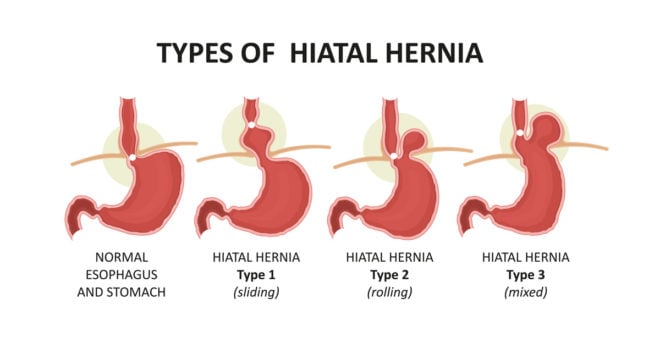
    • Hiatal (diaphragmatic): Involves protrusion of the stomach through the diaphragm via the esophageal hiatus.  It can cause symptoms of GERD; acid reduction may suffice, although surgical repair can be used for more serious cases.
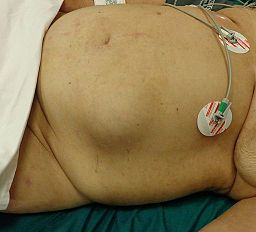
    • Ventral: Often from previous abdominal surgery, obesity.  Abdominal mass noted at the site of previous incision.
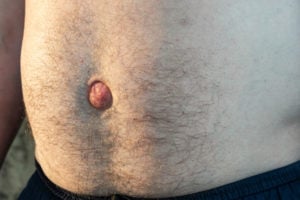
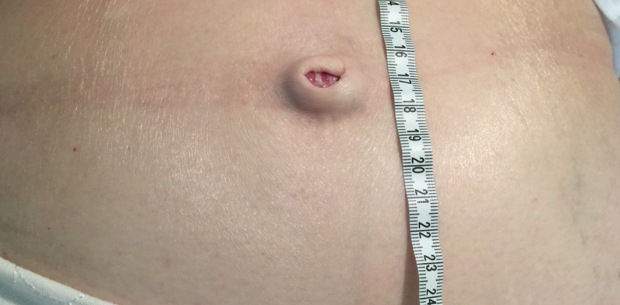
    • Umbilical hernia: Very common, generally congenital, and appears at birth.  Many umbilical hernias resolve on their own and rarely require intervention. Refer to surgery if an umbilical hernia persists >2 years of life.
    • Strangulated: Hernia becomes strangulated when the blood supply of its contents is seriously impaired.
    • Obstructed: This is an irreducible hernia containing intestine that is obstructed from without or within, but there is no interference to the blood supply to the bowel. 
    • Incarcerated: Hernia so occluded that it cannot be returned by manipulation, it may or may not become strangulated.
  6. Hyperemesis

    Hyperemesis Gravidarum is a severe form of nausea and vomiting during pregnancy that leads to dehydration, electrolyte imbalances, and weight loss.
    • Typically occurs in the first trimester, but symptoms may persist into the second or third
    • More severe than typical morning sickness, often resulting in >5% weight loss from pre-pregnancy weight, ketonuria, and hypokalemia
    • Risk factors include multiple gestation, molar pregnancy, and history of hyperemesis in prior pregnancies
    • Diagnosis is clinical but may include labs showing elevated hematocrit, metabolic alkalosis, hypokalemia, and elevated liver enzymes
    • Ultrasound is used to rule out molar pregnancy or multiple gestation
    • Management includes IV fluids, electrolyte replacement, vitamin B6 (pyridoxine), and antiemetics (e.g., doxylamine, promethazine, ondansetron)
    • Thiamine supplementation is important to prevent Wernicke encephalopathy
    • Hospitalization may be required for persistent vomiting, severe dehydration, or inability to tolerate oral intake
    • Most cases resolve by mid-pregnancy, but some may require ongoing support throughout gestation
  7. Ingestion of toxic substances or foreign bodies (ReelDx)

    Ingestion of Toxic Substances or Foreign Bodies refers to the accidental or intentional swallowing of harmful chemicals or objects.
    • Common toxic substances: household cleaners, medications, batteries, and pesticides
    • Common foreign bodies: coins, small toys, magnets, and bones
    • Symptoms can include drooling, choking, gagging, chest pain, abdominal pain, vomiting, and respiratory distress
    • Initial assessment: Identify the substance or object ingested, time of ingestion, and amount (if known)
    • Imaging: X-rays for radiopaque objects; CT scan or endoscopy may be necessary for non-radiopaque objects or complications
    • Management of toxic ingestion:
      • Activated charcoal for certain poisons if within 1-2 hours of ingestion
      • Antidotes for specific toxins (e.g., N-acetylcysteine for acetaminophen)
      • Supportive care and monitoring in a healthcare facility
    • Management of foreign body ingestion:
      • Endoscopic removal for sharp, large, or dangerous objects
      • Observation for small, smooth objects that have passed into the stomach
    • Prevention: Child-proofing the home, keeping hazardous substances out of reach, and educating caregivers
  8. Metabolic Disorders (PEARLS)

    1. Phenylketonuria (PKU) is an autosomal recessive disorder and inborn error of metabolism involving absent or virtually absent phenylalanine hydroxylase (PAH) enzyme activity.
      • Phenylalanine and its metabolites accumulate in the central nervous system, causing intellectual disability and movement disorders.
      • Infants are normal at birth - after a few months, intellectual disability is evident.
      • Presents as blond, blue-eyed, with fair skin, intellectual disability, eczema, and a musty, mousy body odor of phenylacetic acid.
      • Neonates are screened for PKU 24 to 48 h after birth.
      • Treatment: Low phenylalanine diet and tyrosine supplementation by age 3.
    2. Rickets (ReelDx)

      Rickets is a softening and weakening of bones in children caused by defective mineralization of cartilage in the epiphyseal growth plates, usually due to inadequate vitamin D
      • Vitamin D promotes the body’s absorption of calcium and phosphorus
      • Extreme or prolonged lack of vitamin D makes it difficult to maintain proper calcium and phosphorus levels in bones, which can cause rickets
      • Symptoms include bowed legs, stunted growth, bone pain, large forehead, and trouble sleeping
      • Complications may include bone fractures, muscle spasms, an abnormally curved spine, or intellectual disability
      • Labs ↓ serum 25(OH)D levels, ↓ calcium, ↓ phosphate, ↑ alkaline phosphatase, ↑ parathyroid hormone levels
      • Treatment may involve adding vitamin D or calcium to the diet, medications, or possibly surgery
    1. Esophageal Neoplasms (Lecture)

      Progressive dysphagia to solid foods along with weight loss, reflux and hematemesis
      • Squamous cell m/c worldwide and adenocarcinoma common in US
      Adenocarcinoma:
      • Complication of Barrett's esophagus (screen barrett's patients every 3-5 years with endoscopy), affects distal (lower) 1/3rd of esophagus
      Squamous cell:
      • Associated with smoking and alcohol use
      • Affects proximal (upper) 2/3rds of esophagus
    2. Gastric neoplasms (Lecture)

      Weight loss, early satiety, abdominal pain/fullness, and dyspepsia
      • Adenocarcinoma is the most common type
      • Metastatic signs include
    3. Liver neoplasms (ReelDx)

      Presentation: Abdominal pain, weight loss and right upper quadrant mass
      • Etiology: Cirrhosis, Hepatitis B, Hepatitis C, Hepatitis D, Aflatoxin from aspergillus
      • Tumor Marker: ↑ alpha-fetoprotein and abnormal liver imaging
    4. Painless jaundice is pathognomonic
      • Most commonly ductal adenocarcinoma located at pancreatic head
      • Presentation:
        • Jaundice and palpable non-tender gallbladder (Courvoisier’s sign)
        • Trousseau sign of malignancy - migratory phlebitis
        • Virchow's node (or signal node) is a lymph node in the left supraclavicular fossa (the area above the left clavicle) that is associated with pancreatic cancer
      • Diagnose with abdominal CT scan - 75% show tumor at the head of the pancreas, 25% at the tail
      • Whipple procedure: remove antrum of stomach, part of duodenum, head of pancreas, gall bladder
      • Tumor Marker: CA 19-9
    5. Rectal bleeding + tenesmus (a feeling of incomplete emptying after a bowel movement), the most common anorectal cancer is adenocarcinoma
      • Primarily adenocarcinomas.
      • Typically colonoscopy is done: whenever rectal bleeding occurs, even in patients with obvious hemorrhoids or known diverticular disease, coexisting cancer must be ruled out.
      • Treated with wide local surgical excision, radiation with chemotherapy for large tumors with mets.
    6. The classic presentation is painless rectal bleeding and a change in bowel habits in a patient 45-80 years of age
      • Apple core lesion on barium enema, adenoma most common type
      • Colon cancer screening for average-risk patients should begin at 45 years and end at 75 years of age
        • Stool tests: 
          • Guaiac based fecal occult blood (gFOBT) – once per year**
          • Fecal immunochemical test (FIT) – once per year**
          • FIT-DNA test (combines FIT with a test that detects altered DNA in stool) – once every one or three years*
        • Flexible sigmoidoscopy - once every 5 years or every 10 years with a FIT every year
        • Colonoscopy - every 10 years
        • CT colonography - every 5 years
      • Tumor Marker: CEA
      • More likely to be malignant: sessile, > 1 cm, villous
      • Less likely to be malignant: Pedunculated, < 1 cm, tubular
      • Treat with resection and adjuvant chemotherapy
  9. Nutrition (PEARLS)

    1. Food allergies and food sensitivities (PEARLS)

      1. Symptoms may include abdominal bloating and cramps, flatulence, diarrhea, nausea, borborygmi (rumbling stomach), or vomiting after consuming significant amounts of lactose
        • Lactose hydrogen breath test - definitive diagnosis
        • Treatment focuses on avoidance of dairy products, use of lactose-free products, or the use of lactase supplements
      2. Nut allergies

        Nuts are one of the food allergens most often linked to anaphylaxis
        • Nut allergies usually last a lifetime; fewer than 10 percent of people with this allergy outgrow it.
        Treatment: Avoid nuts and nut products; read ingredient labels carefully. Administer epinephrine as soon as severe symptoms develop. H1 antihistamines are recommended as first-line therapy. Allergist/immunologist for further evaluation when recurrent or more severe reactions.
      • Kwashiorkor is an inadequate intake of protein and may lead to edema in the abdomen, feet, and ankles.
      • Marasmus is inadequate intake of ALL energy forms (protein and calories) and leads to low body weight, wasting of muscle and fat, skin that is dry and wrinkled, and hair that is thin and brittle.
      • Fat Soluble Vitamins (ADEK)
        • Vitamin A: Elderly, alcoholics, liver disease - night blindness, dry skin.
        • Vitamin D: Elderly, low sunlight - rickets, osteomalacia.
        • Vitamin E: neuropathy, ataxia.
        • Vitamin K: bleeding (makes clotting factors causes an increase in PT/INR).
      • Vitamin C: Alcoholics, elderly men - scurvy (poor wound healing, petechiae, bleeding gums).
      • Thiamine (B1): Alcoholics, poverty - Beriberi (tingling, poor coordination, edema, cardiac dysfunction).Wernicke’s encephalopathy (ataxia, confusion). Korsakoff syndrome (confabulation, retrograde and anterograde amnesia).
      • Niacin (B3): Poverty, alcoholics - Pellagra (diarrhea, dermatitis, dementia).
      • Pantothenic Acid (B5): Alcoholics - Numbness, tingling, headache, fatigue, insomnia.
      • Pyridoxine (B6): Adolescents, alcoholics - Dermatitis, atrophic glossitis, sideroblastic anemia.
      • Folate: Pregnancy, alcoholics - Neural tube defects, megaloblastic anemia, glossitis, confusion.
      • Cobalamin (B12): Elderly, vegans, atrophic gastritis - Megaloblastic anemia, subacute combined degeneration of spinal cord, seizures, dementia.
    2. Malabsorption

      Malabsorption refers to impaired absorption of nutrients, vitamins, and minerals in the gastrointestinal tract, leading to nutritional deficiencies and systemic symptoms.
      • Common causes:
        • Celiac disease (gluten-sensitive enteropathy)
        • Chronic pancreatitis (enzyme deficiency)
        • Lactose intolerance (disaccharidase deficiency)
        • Small intestinal bacterial overgrowth (SIBO)
        • Short bowel syndrome or surgical resection
        • Infectious (e.g., Giardia) and inflammatory (e.g., Crohn’s disease) conditions
      • Symptoms:
        • Chronic diarrhea, steatorrhea (fatty, foul-smelling stools), weight loss, bloating, and abdominal discomfort
        • Nutrient-specific deficiencies:
          • Iron: Fatigue, anemia
          • Vitamin B12: Glossitis, neuropathy
          • Vitamin D and calcium: Osteomalacia, tetany
          • Vitamin K: Easy bruising, bleeding
      • Stool studies: Increased fat content (>7g/day on 72-hour stool collection)
        • Blood tests: Nutrient levels (iron, B12, folate, fat-soluble vitamins)
        • Celiac testing: Anti-tTG or anti-endomysial antibodies, confirmed by duodenal biopsy
        • Breath tests for lactose intolerance or SIBO
        • Imaging (e.g., abdominal CT) or endoscopy based on suspected cause
      • Treat underlying condition (e.g., gluten-free diet for celiac, pancreatic enzymes for pancreatitis)
        • Nutritional support: Supplement deficiencies (iron, B12, calcium, vitamins)
        • Dietary modification: Low FODMAP, lactose-free, or elemental diets based on cause
        • Antibiotics for SIBO or parasitic infections (e.g., metronidazole for Giardia)
      • Complications: Growth delay (in children), osteoporosis, anemia, and fat-soluble vitamin deficiencies
    3. Refeeding Syndrome (Lecture)

      Refeeding syndrome is a potentially fatal condition that occurs when nutrition is rapidly reintroduced in severely malnourished patients, leading to electrolyte imbalances (primarily hypophosphatemia, hypokalemia, and hypomagnesemia), fluid retention, and organ dysfunction
      • High-risk patients include those with anorexia nervosa, chronic alcoholism, prolonged fasting, or significant weight loss (>10-15% in the past 3-6 months), and refeeding syndrome typically occurs within the first 2-5 days of refeeding.
      • The sudden shift from a catabolic to an anabolic state during refeeding leads to increased insulin secretion, causing electrolyte shifts from the extracellular to the intracellular space, which can result in life-threatening complications such as cardiac arrhythmias, heart failure, respiratory failure, and neurological symptoms.
      DX: Based on clinical presentation (e.g., confusion, muscle weakness, peripheral edema) and laboratory findings (e.g., hypophosphatemia, hypokalemia, hypomagnesemia, hyperglycemia). TX: Gradually introducing nutrition (starting at 25-50% of estimated caloric needs and increasing over several days to a week)
      • Careful management and correction of electrolyte imbalances
      • Monitoring and supportive care, and thiamine supplementation to prevent Wernicke encephalopathy
  10. Obesity and Metabolic Syndrome (ReelDx)

    Definition of obesity: 
    • Adults BMI = 30 kg/ m2 or, alternatively, 20% higher than suggested ideal body weight
      • Normal: BMI of 18.5 to 24.9
      • Overweight: 25 to 29.9
      • Obese: 30 and over
      • Obesity class I: 30 to 34.9
      • Obesity class II: 35 to 39.9
      • Obesity class III: 40 and over
    • Children and adolescents BMI at the 95th percentile or higher
    Drug therapy— Candidates for drug therapy include those individuals with a (BMI) ≥ 30 or a BMI of 27 to 29.9 with comorbidities, who have not met weight loss goals (loss of at least 5 percent of total body weight at three to six months)
    • Orlistat
    • Liraglutide
    • Lorcaserin
    • Combination phentermine-topiramate 
    • Combination bupropion-naltrexone 
    • Phentermine, benzphetamine, phendimetrazine, and diethylpropion are only FDA approved for short-term use
    Guidelines to qualify for gastric bypass surgery
    • Efforts to lose weight with diet and exercise have been unsuccessful
    • (BMI) is 40 or higher
    • BMI is 35 or more and serious weight-related health problem, such as type 2 diabetes, high blood pressure or severe sleep apnea
    1. Acute Pancreatitis - epigastric abdominal pain with radiation to the back, elevated lipase, pain relieved by leaning forward, elevated lipase
      • Etiology: Cholelithiasis or alcohol abuse
      • Diagnosis:
        • Clinical + elevated lipase and amylase
        • CT is required to differentiate from necrotic pancreatitis
      • Signs: Grey Turner's sign (flank bruising), Cullen’s sign (bruising near umbilicus)
      • Treatment: IV fluids (best), analgesics, bowel rest
      • Complication: pancreatic pseudocyst (a circumscribed collection of fluid rich in pancreatic enzymes, blood, and necrotic tissue)
      Ranson’s criteria for poor prognosisThe Ranson criteria form a clinical prediction rule for predicting the severity of acute pancreatitis.  Three or more means more severe course:
      • Age > 55
      • Leukocyte: >16,000
      • Glucose: >200
      • LDH: >350
      • AST: >250
      • Calcium: <8.0
      Chronic Pancreatitis - the classic triad of pancreatic calcification (plain abdominal x-ray), steatorrhea (high fecal fat), and diabetes mellitus
      • Alcohol abuse
      • Treatment: no alcohol, low-fat diet
    1. Appendicitis (ReelDx)

      Umbilical pain → then pain over McBurney’s point (RLQ)
      • Nausea and vomiting, fever, chills, anorexia
      • Most common etiology: Acute inflammation of the appendix secondary to fecalith
      Signs: Treatment: Appendectomy
    2. Small bowel inflammation from allergy to gluten
      • Symptoms usually occur following ingestion of gluten-containing food (diarrhea, steatorrhea, flatulence, and weight loss). Also, has extraintestinal manifestations.
      • IgA anti-endomysial and anti-tissue transglutaminase antibodies
      • Small bowel biopsy is gold standard for diagnosis
      • Treatment: Lifelong gluten free diet
    3. Intussusception is the telescoping of one segment of the intestine into another, leading to bowel obstruction and compromised blood flow
      • The most common cause of intestinal obstruction in children aged 6 months to 3 years
      • Typically idiopathic in children, but may be triggered by viral infections or hypertrophied Peyer’s patches; in adults, often due to a pathologic lead point (e.g., tumor, polyp)
      • Presents with sudden, severe, intermittent abdominal pain, currant jelly stools (blood and mucus), vomiting, and a palpable sausage-shaped mass in the right abdomen
      • Children may pull their legs to the chest and appear well between episodes of pain
      • Diagnosis is made with abdominal ultrasound, showing the classic target” or “donut” sign
      • Air or contrast enema is both diagnostic and therapeutic in most pediatric cases
      • Surgical intervention is required if enema reduction fails or if there are signs of perforation, peritonitis, or pathologic lead point
      • Complications include bowel ischemia, necrosis, and perforation if not promptly treated
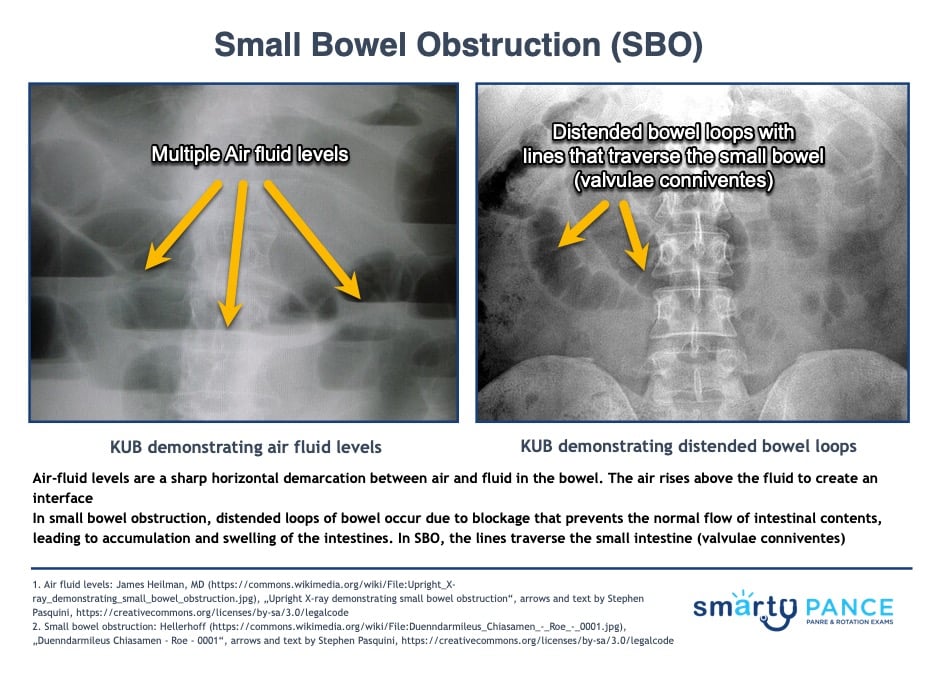
    4. Look for vomiting of partially digested food, severe abdominal distensions, and high-pitched hyperactive bowel sounds progressing to silent bowel sounds.
      • KUB shows dilated loops of bowel with air-fluid levels with little or no gas in the colon
      • Etiology: Adhesion, hernia, fecal impact, volvulus, neoplasm
      • Treatment: Bowel rest, NG tube placement, surgery as directed by the underlying cause
      Small Bowel Obstruction Demonstrating Air Fluid Levels and Dilated Loops of Bowel
    5. Polyps (small bowel)

      Small Bowel Polyps are abnormal growths of tissue projecting from the mucous membrane of the small intestine.
      • Can be asymptomatic or cause nonspecific symptoms such as abdominal pain, bloating, or intermittent obstruction
      • May lead to bleeding, resulting in iron-deficiency anemia or positive fecal occult blood test
      • Adenomatous polyps have the potential for malignancy, especially in familial adenomatous polyposis (FAP) or Lynch syndrome
      • Hamartomatous polyps (e.g., in Peutz-Jeghers syndrome) are typically benign but can cause intussusception
      • Diagnosed with endoscopic procedures such as capsule endoscopy or balloon-assisted enteroscopy
      • Treatment involves endoscopic removal for symptomatic polyps or those with malignant potential
      • Surveillance and management are crucial in patients with hereditary polyposis syndromes

Teachers

Have you tried the NEW Smarty PANCE QBANK? It's FREE with EVERY membership purchase 😀!

X