

 Lecture

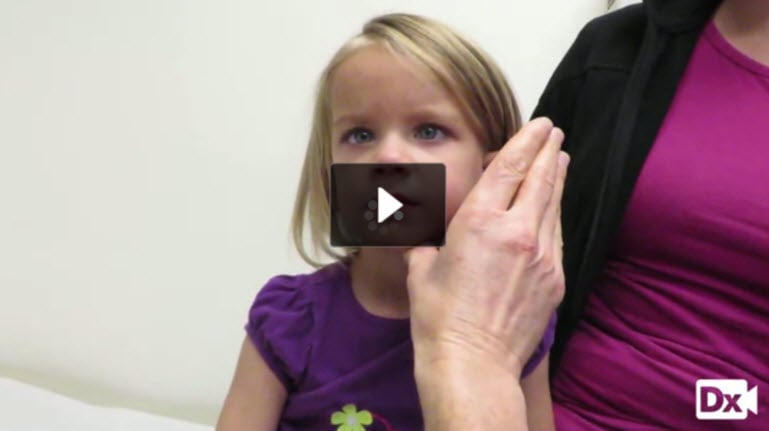
2 y/o with "eye drifting" x 1 month
Patient will present as → a 3-year-old girl brought to you by her mother, who is worried about her daughter's "lazy eye." She reports that her daughter's symptoms are exaggerated when she has a cold. Past medical history is negative for trauma or headaches. The patient has an asymmetric corneal light reflex, and the cover/uncover test reveals a right-sided esotropia. You refer the patient to a pediatric ophthalmologist.

To watch this and all of Joe Gilboy PA-C's video lessons, you must be a member. Members can log in here or join now.
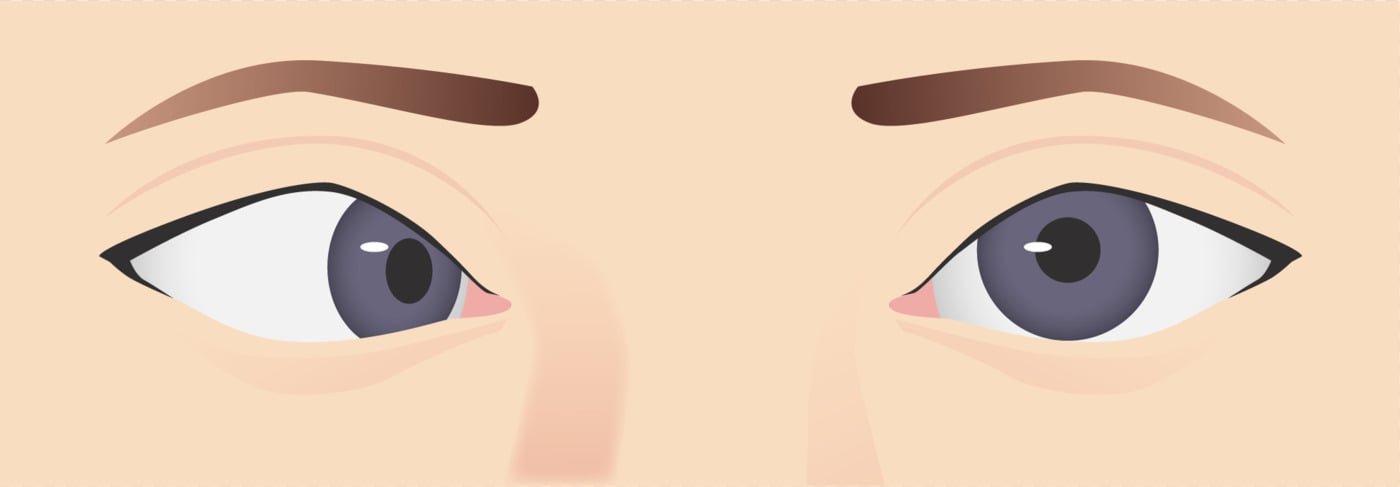
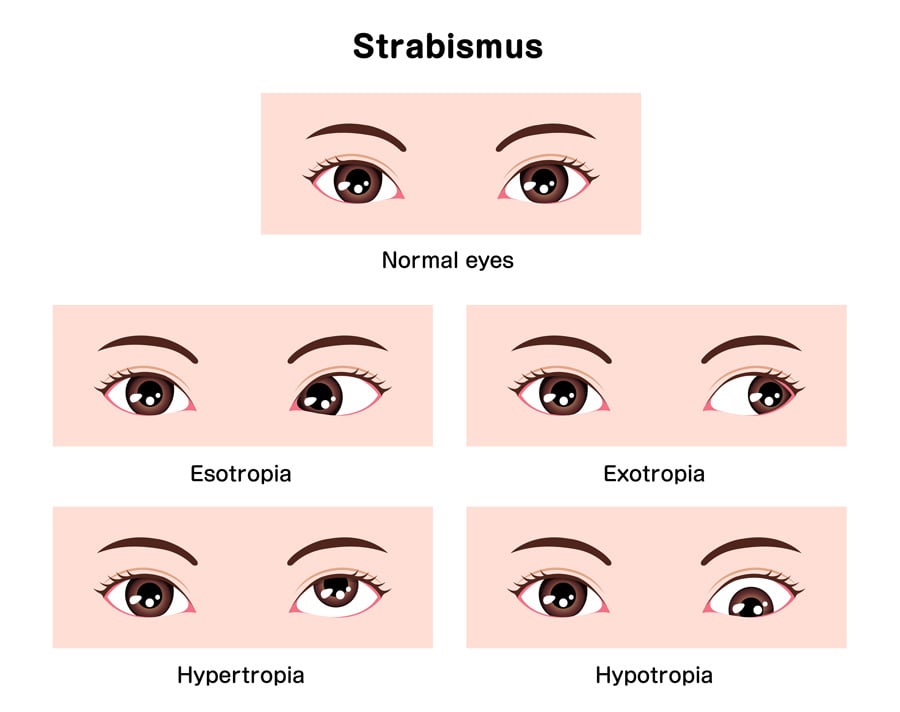
Strabismus is defined as any form of ocular misalignment. It derives from the Greek word strabismus (to squint)
- Strabismus can be intermittent or constant
- There are many types of strabismus, which are defined by the direction of misalignment
- Exotropia: out-turning of eyes
- Esotropia: in-turning of eyes (see ReelDx video in presentation tab)
- Hypertropia: Upward deviation of eyes
- Hypotropia: Downward deviation of eyes
The cover/uncover test is used to diagnose strabismus
Treatment options can include glasses, occlusion therapy, orthoptic exercises, surgery, or a combination of these therapies.
- Glasses are the primary treatment for a common form of strabismus—accommodative esotropia.
- Occlusion therapy is typically used for amblyopia rather than strabismus. If occlusion therapy improves vision, occasionally, the strabismus may improve, but more importantly, better vision improves the prognosis for strabismus treatment.
- Eye exercises (orthoptic exercises) are useful in patients with convergence insufficiency. There is no evidence that they improve typical childhood esotropia and exotropia.
Question 1 |
Adie's pupil Hint: Adie's pupil is a sluggish pupil reaction to light and accommodation, evaluated by papillary reaction to light. | |
Strabismus | |
Glaucoma Hint: Tonometry is used to measure intraocular pressure to evaluate for glaucoma. | |
Myopia Hint: Myopia is evaluated by using a Snellen chart. |
Question 2 |
2 weeks Hint: See C for explanation. | |
3 months Hint: See C for explanation. | |
6 months | |
1 year Hint: See C for explanation. |
Question 3 |
Reassure the parents that she will outgrow it Hint: A constant eye turn past early infancy is not outgrown. | |
Refer to pediatric ophthalmology for glasses and amblyopia treatment | |
Recheck at her kindergarten vision screen Hint: Waiting another year or two can make the amblyopia permanent. | |
Start a topical antibiotic Hint: There is no infection. | |
Wait until age 10 to plan surgery Hint: Waiting until 10 misses the years when amblyopia responds best. |
|
List |
References: Merck Manual · UpToDate